Contents:
- Understanding How Laser Hair Removal Works
- The Cancer Concern: Where Does It Come From?
- What Research Actually Shows
- Actual Safety Considerations for DIY and Professional Treatments
- Skin Type Matters
- A Real-World Timeline: One Person’s Treatment Journey
- Seasonal Considerations for Treatment Planning
- What Happens Inside the Skin During Treatment
- Comparing Laser Hair Removal to Other Beauty Treatments
- Common Questions About Laser Safety
- Will laser hair removal damage my skin’s protective barrier?
- Is there any risk if I use a home laser device incorrectly?
- Does laser hair removal interact badly with certain medications?
- What about long-term effects not yet identified in 2026?
- Can laser hair removal cause burns that turn cancerous?
- Making an Informed Decision
Roughly 3 in 5 adults in the UK have considered some form of hair removal treatment beyond traditional shaving or waxing, yet few actually understand the mechanics of modern technologies. The question of whether laser hair removal poses cancer risks remains one of the most common concerns dermatology clinics field—and it deserves a thorough answer grounded in actual science rather than speculation.
Understanding How Laser Hair Removal Works
Laser hair removal operates on a straightforward principle: highly focused beams of light target the dark pigment (melanin) in hair follicles beneath the skin’s surface. The laser energy converts to heat, which damages the follicle without affecting surrounding tissue. This selective targeting is what makes the technology precise and, when used properly, safe.
The devices used in clinics across the UK typically emit wavelengths between 700 and 1100 nanometres. Aesthetic practitioners undergo training to adjust power levels, pulse duration, and cooling methods based on individual skin type. A session in 2026 costs between £150 and £400 per area, depending on the clinic and body region treated, with most people requiring 6 to 8 sessions across 6 months for lasting results.
The Cancer Concern: Where Does It Come From?
The worry about laser hair removal and cancer typically stems from confusion between two different types of radiation: ionising and non-ionising. This confusion is understandable. X-rays and ultraviolet light are ionising—meaning they have enough energy to damage DNA directly. Lasers used for hair removal emit non-ionising light, which works through heat alone, not by breaking molecular bonds in cells.
One common misconception involves ultraviolet (UV) radiation. Sunbeds emit UV light, which does carry established cancer risk. Laser hair removal devices do not emit UV radiation. The wavelengths they produce fall in the visible and infrared spectrum, operating through thermal mechanisms entirely different from UV exposure.
What Research Actually Shows
Decades of clinical use and research have produced no credible evidence linking laser hair removal to cancer development. The American Academy of Dermatology, the British Association of Dermatologists, and the International Society of Aesthetic Plastic Surgery have all reviewed available safety data. Their consensus: when performed by trained professionals using approved equipment, laser hair removal carries minimal risk of cancer.
Studies tracking patients over 15+ years show no elevated cancer rates among those receiving regular laser treatments. The thermal energy involved simply doesn’t penetrate deeply enough or persist long enough to trigger the cellular changes associated with malignancy. The skin heals within hours, and normal tissue regeneration resumes without lasting damage.
Actual Safety Considerations for DIY and Professional Treatments
Whilst cancer risk is negligible, other safety factors deserve attention. Home-use laser devices, which have flooded the market in recent years, operate at lower power than clinical equipment—a trade-off for safety but also effectiveness. Misuse of any laser device can cause burns, blistering, or pigmentation changes. People with certain skin conditions, such as active eczema or psoriasis, should avoid treatment on affected areas.
A practical concern that often gets overlooked: eye safety. Even brief exposure to laser light can damage the retina. Professional clinics provide protective eyewear and ensure proper room setup. Home devices come with goggles, but compliance varies. This isn’t a cancer issue, but it’s a real hazard worth respecting.
Skin Type Matters
The device settings must match skin tone. Darker skin absorbs more laser energy and requires different parameters to avoid burns. The Fitzpatrick scale, which categorises skin types 1 through 6, guides practitioners in safe treatment protocols. In 2026, modern devices with advanced cooling systems work effectively across all skin types, but this requires professional calibration. Home users with darker skin should exercise extra caution or avoid home devices altogether.
A Real-World Timeline: One Person’s Treatment Journey
Sarah, a 32-year-old from Manchester, decided to pursue professional laser hair removal for her legs in January 2025. She attended an initial consultation where the clinic discussed her fair skin type, medical history, and realistic expectations. Over the following 12 months, she completed 8 sessions spaced 6 weeks apart, with her final treatment in December 2025. Beyond mild redness lasting a few hours after each session, she experienced no adverse effects. Three years later, in 2026, she reports lasting hair reduction and no skin changes or health concerns. Her experience reflects what the vast majority of people encounter: straightforward, safe treatment with predictable results.
This timeline also illustrates why patience matters. Effective laser hair removal requires multiple sessions spread across months. DIY enthusiasts tempted to use home devices should follow the same spacing recommendations and never exceed suggested power levels, even if tempted to speed up results.
Seasonal Considerations for Treatment Planning
Spring (March to May) is traditionally the busiest season for laser hair removal bookings in the UK, as people prepare for summer holidays and warmer weather. However, late autumn (September to November) often offers a practical advantage: treated skin has several months to heal and recover before sun exposure peaks in summer. Avoided direct sun for at least 2 weeks after treatment, as treated skin becomes temporarily photosensitive. Scheduling treatments in winter months minimises this concern and allows the skin to fully stabilise before summer sun exposure returns.
What Happens Inside the Skin During Treatment
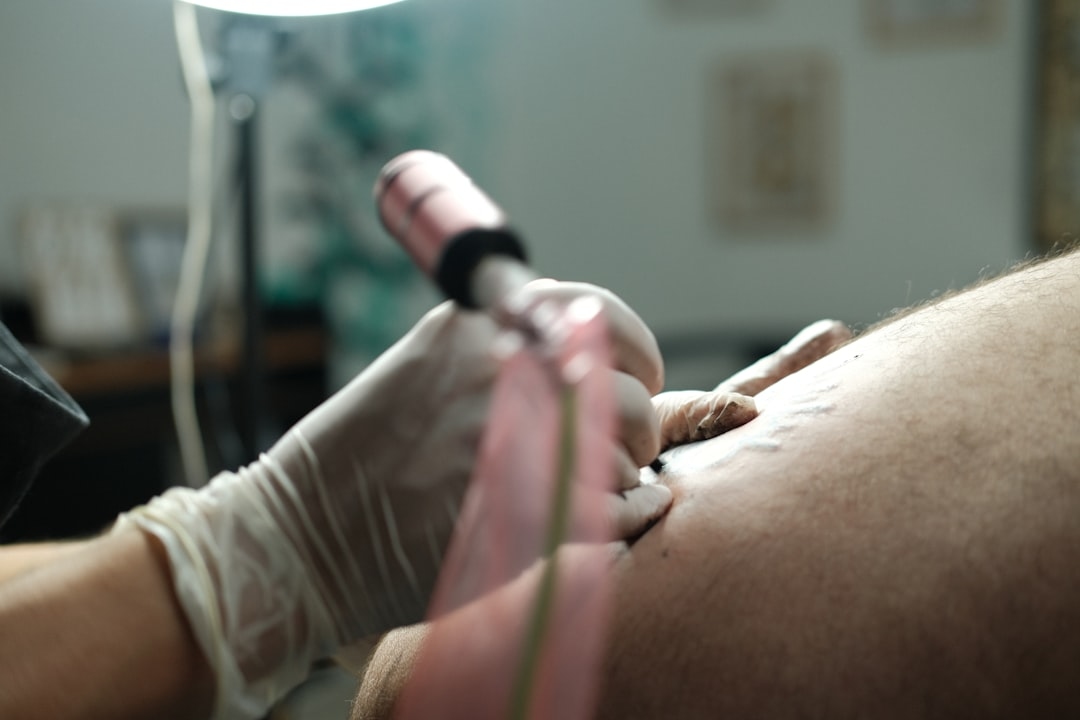
The laser’s heat rises the follicle temperature to approximately 70°C in milliseconds. This thermal shock damages the follicle’s growth cells without affecting surrounding dermis or epidermis significantly. The body’s natural healing response kicks in; immune cells clear away damaged tissue, and new skin grows. This controlled injury-and-healing cycle is precisely what makes the treatment effective. It’s also why the process carries no carcinogenic risk—the damage is superficial, localised, and temporary.
Repeated treatments over months gradually reduce hair regrowth because new follicles never fully recover from the cumulative thermal damage. After 6 to 8 sessions, many people see permanent 80% hair reduction or better. The remaining hair often becomes finer and lighter, making any regrowth less noticeable.
Comparing Laser Hair Removal to Other Beauty Treatments
Electrolysis, an older permanent hair removal method, uses electrical current rather than light. It carries no cancer risk either but tends to be slower and requires more sessions. Waxing and threading involve no radiation whatsoever. Chemical depilatory creams work by dissolving hair protein—again, no cancer concern. Laser technology stands out not because it’s risky, but because it’s effective and, when properly administered, remarkably safe across the established evidence base.
Common Questions About Laser Safety
Will laser hair removal damage my skin’s protective barrier?
No. The laser targets pigment in hair, not melanin in surrounding skin cells. The heat effect is brief and localised to the follicle. Skin barrier function returns to normal within hours. Some people experience temporary dryness after treatment, which responds well to standard moisturiser.
Is there any risk if I use a home laser device incorrectly?
Incorrect use can cause burns or temporary pigmentation changes, but not cancer. Home devices operate at lower power precisely to reduce this risk. Always follow manufacturer instructions, test on a small area first, and never exceed the recommended treatment frequency.
Does laser hair removal interact badly with certain medications?
Some photosensitising medications (like certain antibiotics or anti-inflammatory drugs) can increase skin sensitivity during laser treatment. Always disclose your full medication list to your practitioner before starting. They may recommend adjusting the timing or avoiding treatment whilst on specific medications.
What about long-term effects not yet identified in 2026?
Clinical laser hair removal has been in widespread use since the mid-1990s—over 30 years of real-world data. If a delayed cancer risk existed, epidemiological patterns would have emerged by now among millions of treated individuals globally. The absence of such patterns, combined with the biological implausibility of non-ionising heat causing cancer, makes late-appearing risks extremely unlikely.
Can laser hair removal cause burns that turn cancerous?
Burns from poorly administered treatment can cause temporary tissue damage, but tissue damage itself doesn’t cause cancer. The concern conflates two separate processes. Proper training and appropriate device settings prevent burns altogether. When burns do occur (usually from home device misuse), they heal like any minor burn—occasionally with temporary scarring, but without elevated cancer risk.
Making an Informed Decision
The evidence is clear: laser hair removal does not cause cancer. This doesn’t mean zero risks exist—any medical or cosmetic procedure carries minor hazards. Burns, temporary pigmentation changes, and eye safety concerns are real but manageable through proper training and adherence to guidelines. For DIY enthusiasts considering a home device, start with a reputable brand, read the entire instruction manual, perform a patch test, and resist the urge to increase power settings beyond recommendations.
If you choose professional treatment, select a clinic with certified practitioners and modern equipment. Ask questions about their experience with your skin type and about the specific device they use. Reasonable practitioners welcome informed questions and provide detailed aftercare instructions.
The bottom line is straightforward: decades of clinical data, millions of treatments worldwide, and the underlying physics all point to the same conclusion. You can pursue laser hair removal with confidence that cancer risk is not a legitimate concern. Other factors—finding a skilled practitioner, choosing the right wavelength for your skin, and planning treatment during seasons that minimise sun exposure—matter far more for achieving safe, effective results.