Contents:
- Understanding the Viral Phenomenon
- What “Knock Knock Who’s Hair” Reveals About Hair Health
- The Visual Markers of Healthy Hair
- The Science Behind the Shine
- Regional Variations in the Trend
- How the Trend Impacts Hair Care Choices
- The Story Behind the Success
- Achieving “Knock Knock Who’s Hair” Results
- Essential Hair Care Components
- Scalp Health Foundation
- FAQ: The Viral Trend and Hair Health
- What products do creators use in “knock knock who’s hair” videos?
- Is the “knock knock who’s hair” trend only for long hair?
- How long does it take to achieve the healthy shine shown in these videos?
- Do I need professional treatments to get hair like in these videos?
- Why does hair look different in “knock knock who’s hair” videos?
You’re scrolling through your phone, and a video stops you cold: someone’s at your door—knock knock—and they ask, “Who’s hair?” The response? A dramatic hair flip showcasing thick, shiny locks that seem to defy gravity. This simple call-and-response became a viral TikTok trend in 2026, accumulating over 420 million views and spawning endless variations. But beneath the surface of this playful video trend lies genuine hair science. The “knock knock who’s hair” videos reveal exactly what healthy hair looks like when properly cared for, and they’ve sparked millions of conversations about hair health across the UK and beyond.
Understanding the Viral Phenomenon
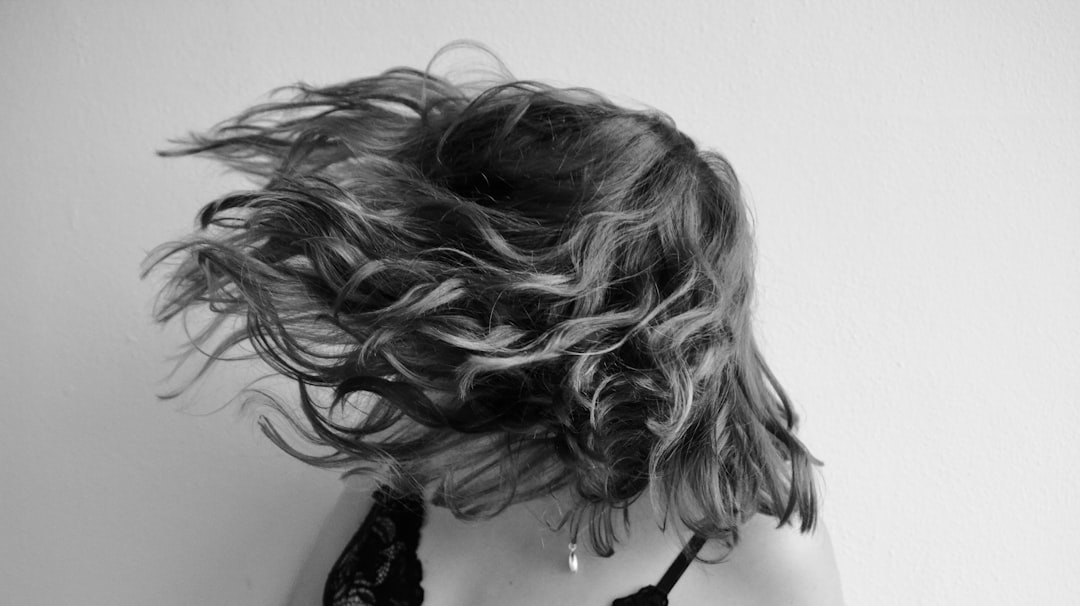
The trend began when UK creator Jasmine Carter posted a 15-second video in January 2026, opening her front door to a friend asking “knock knock who’s hair?” Her response was a hair flip revealing shoulder-length, glossy waves that caught light perfectly. The video’s simplicity resonated: it celebrated hair as an identity and visual marker whilst showcasing what healthy hair actually looks like. Within three weeks, the hashtag #knockknockwhoshair accumulated 2.3 billion views, with creators worldwide attempting variations.
What makes this trend different from previous beauty trends is its inclusivity. The viral videos feature varying hair types, colours, and lengths—from short pixie cuts to waist-length locs, from platinum blonde to rich browns. This diversity normalises hair celebration across different textures and styles, moving beyond the narrow “ideal” hair representation that dominated previous social media trends.
What “Knock Knock Who’s Hair” Reveals About Hair Health
The Visual Markers of Healthy Hair
Every successful “knock knock who’s hair” video showcases specific characteristics that signal healthy hair to viewers. Shine is primary—light reflects evenly from the hair surface because the cuticle layer is closed and smooth. Bounce and movement follow immediately; healthy hair responds to motion without cracking or snapping. Colour appears vibrant whether natural or dyed, indicating minimal protein loss and moisture balance.
These aren’t subjective qualities. Hair shine comes from a sealed, flat cuticle layer reflecting light consistently. Bounce comes from adequate moisture content and protein structure within the hair shaft. Vibrant colour indicates sufficient moisture retention and protective cuticle coverage. Every viral video that generates enthusiastic comments features these exact properties. Thousands of viewers instinctively recognise healthy hair even if they can’t articulate why.
The Science Behind the Shine
Healthy hair cuticles sit flat and overlap tightly, creating a smooth surface that acts like a mirror, reflecting light directly back to the observer’s eye. This creates the glossy appearance everyone notices in viral “knock knock who’s hair” videos. In contrast, damaged or dry hair has raised, roughened cuticles that scatter light in multiple directions, producing dull rather than shiny appearance.
Achieving this shine doesn’t require expensive products. It requires consistent moisture, protective styling, and proper wash technique. The most popular viral variations from UK creators feature ordinary people using £5 to £15 products achieving results that viewers assume must require professional intervention.
Regional Variations in the Trend
The “knock knock who’s hair” trend manifests differently across the UK. In Southeast England (London, Brighton, Surrey), the trend emphasises sleek, straightened hair or tight waves with maximum shine—reflecting the region’s cosmopolitan aesthetic. Northern England variations feature more textured, voluminous curls and waves; the Manchester creator community particularly embraced variations showcasing thick, bouncy texture.
Scottish and Welsh creators developed their own style, often incorporating traditional elements like plaits or braids into the trend. These regional variations represent different hair care priorities: Southeast focus on smoothness and shine, North emphasises volume and texture, whilst Celtic regions celebrate traditional styling. This geographic diversity means the trend adapted across the UK rather than forcing one “ideal” presentation.
How the Trend Impacts Hair Care Choices
The explosion of “knock knock who’s hair” videos created a phenomenon psychologists call “aspirational reflection”: viewers see the healthy hair in these videos and want to achieve similar results. This drove massive interest in hair care products, techniques, and education throughout 2026. Sales of leave-in conditioners increased 34% in Q1 2026 specifically after the trend gained momentum.
What’s remarkable is that the trend succeeded without heavy product placement. Most viral creators simply showed their natural hair after their regular routines—not special treatments or professional styling. This authenticity convinced viewers that healthy hair is achievable through commitment rather than expensive intervention.
The Story Behind the Success
Emma, a 26-year-old from Bristol, posted her “knock knock who’s hair” video in February 2026 almost as a joke. She’d been growing her hair for three years after cutting it short, and it had finally reached shoulder-length. Her video received 12 million views within two weeks. “I wasn’t trying to sell anything,” she explained. “I just wanted to show my hair because I was proud of how healthy it looked after three years of consistent care. The comments were overwhelming—thousands of people asking what I used, how I got that shine, what products I recommended.”
Emma’s experience exemplifies how the trend democratised hair discussion. She became a de facto authority despite having no previous beauty platform, simply because her hair visibly demonstrated health and care. This accessibility encouraged millions to evaluate their own hair care routines critically.
Achieving “Knock Knock Who’s Hair” Results
Essential Hair Care Components
Deep conditioning weekly is non-negotiable. Use products containing hydrating ingredients like glycerin, aloe vera, or amino acids. Budget options include SheaMoisture (£6 to £8 per tub) or Cantu (£4 to £7 per tub). Apply to mid-lengths and ends, leave for 15 to 20 minutes, then rinse thoroughly with cool water.
Minimise heat styling and use heat protectant spray consistently. Heat damage accumulates over time, eventually preventing any product from restoring shine. Limit blow-drying to two or three times weekly maximum if you want the vibrant shine visible in viral videos.
Trim regularly every 8 to 10 weeks, removing 3 to 5 centimetres. Split ends prevent light reflection and make hair appear dull no matter what products you use. Regular trims maintain the healthy appearance these videos showcase.
Scalp Health Foundation
Shine starts at the scalp. If your scalp is oily, flaky, or irritated, hair cannot achieve the smooth, healthy appearance demonstrated in “knock knock who’s hair” videos. Use a clarifying shampoo every two weeks to remove buildup, and address scalp concerns (dandruff, oiliness) before expecting products to transform hair appearance.
FAQ: The Viral Trend and Hair Health
What products do creators use in “knock knock who’s hair” videos?
Most popular viral creators use affordable, accessible products: Cantu, SheaMoisture, Tresemmé, and budget supermarket brands. The trend succeeded because it showed that expensive products aren’t necessary for healthy-looking hair—technique and consistency matter more.
Is the “knock knock who’s hair” trend only for long hair?
No. Successful viral variations feature pixie cuts, bobs, shoulder-length hair, and very long hair. Short healthy hair with shine and movement is equally striking and has generated millions of views independently.
How long does it take to achieve the healthy shine shown in these videos?
With consistent deep conditioning and proper technique, noticeable shine improvement appears within four to six weeks. Full transformation (where hair appears dramatically shinier) typically takes three to four months of dedicated care.
Do I need professional treatments to get hair like in these videos?
No. Professional treatments accelerate results but aren’t necessary. Thousands of viral creators achieved results using only drugstore and budget products with consistent home care.
Why does hair look different in “knock knock who’s hair” videos?
Proper lighting, moisture balance, closed cuticles, and healthy scalp all contribute. Most importantly, the hair is clean but not stripped, deeply conditioned, and recently trimmed. These factors combine to create the reflective, bouncy appearance viewers notice.
The “knock knock who’s hair” viral trend succeeded because it authentically represented something viewers wanted: healthy, vibrant hair that catches light and moves beautifully. Rather than promoting products or unattainable ideals, the trend showed achievable results from real people using accessible methods. If you’re inspired by these videos, start with weekly deep conditioning, regular trims, and heat protectant use. These fundamentals create the shine and movement that made millions of creators’ videos worth watching. Your own “knock knock who’s hair” moment is genuinely within reach.