Contents:
- Understanding Normal Hair Shedding vs Hair Loss
- Common Medical Causes of Hair Loss
- Androgenetic Alopecia (Male and Female Pattern Baldness)
- Telogen Effluvium
- Alopecia Areata
- Thyroid Disorders
- Iron Deficiency and Anaemia
- Nutritional Deficiencies
- Polycystic Ovary Syndrome (PCOS)
- Medications and Treatments
- Lifestyle and Environmental Triggers
- Chronic Stress
- Poor Sleep Quality
- Heat Styling and Chemical Treatments
- Tight Hairstyles
- Poor Scalp Health
- What the Pros Know
- Common Mistakes to Avoid
- Evidence-Based Solutions and Treatments
- Topical Minoxidil
- Finasteride (Propecia)
- Low-Level Laser Therapy (LLLT)
- Hair Transplantation
- Nutritional Support
- Daily Practices That Support Hair Health
- When to See a Doctor or Specialist
- FAQ: Hair Loss Questions Answered
- How much hair shedding is actually normal?
- Can stress alone cause permanent hair loss?
- Do hair loss supplements actually work?
- How long before hair loss treatments show results?
- Is hair loss worse in winter?
- Moving Forward: Your Action Plan
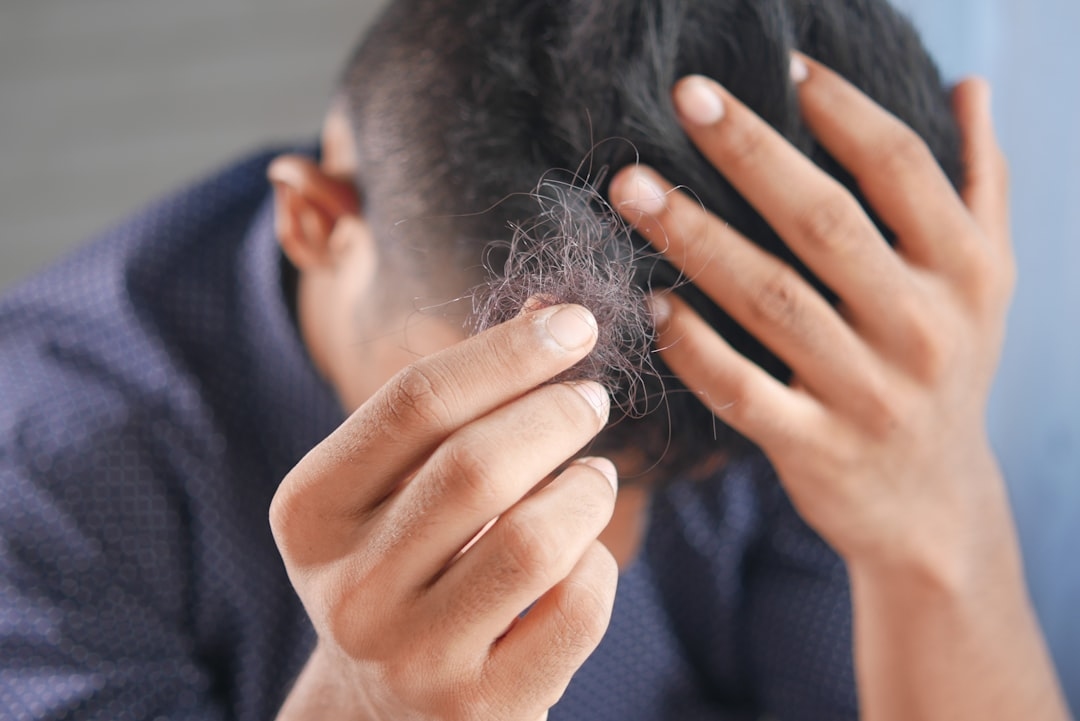
You pull your fingers through your hair after shampooing and notice clumps sliding away. The shower drain catches more strands than usual. A quick glance at your pillow shows more hair than you’d expect. That moment of panic is real, and you’re not alone—millions experience it every year across the UK and beyond.
Hair loss affects roughly 50% of adults by their 50s, yet most people still feel blindsided when it happens to them. The good news? Understanding why your hair is falling out is the first critical step toward taking action. Whether you’re seeing a few extra strands or noticing significant thinning, the causes vary widely—and so do the solutions.
This guide unpacks the science behind hair shedding, identifies the most common culprits, and outlines practical strategies that actually work. By the time you finish reading, you’ll have clarity on what’s happening and a clear roadmap for next steps.
Understanding Normal Hair Shedding vs Hair Loss
Before you assume something is wrong, it’s essential to know what normal looks like. Your scalp contains roughly 100,000 to 150,000 hair follicles, and they don’t all stay on your head forever. Each hair goes through a growth cycle lasting anywhere from two to seven years.
On average, humans shed between 50 and 100 hairs daily. This is completely normal and not a cause for concern. Losing 100 hairs a day might sound dramatic, but it represents less than 0.1% of your total hair. When you wash your hair, brush it, or run your fingers through it, you’re simply dislodging hairs that are already at the end of their cycle.
The distinction matters enormously. Normal shedding is a natural biological process. Abnormal hair loss happens when you lose significantly more than 100-150 hairs daily, notice visible scalp thinning, or see bald patches developing.
To test your own shedding, try the gentle pull test. Take a small section of hair between your thumb and forefinger, then slowly pull while sliding your fingers outward. If you lose more than three to four hairs, you might be experiencing more shedding than typical. Repeat this test five or six times across different areas of the scalp for an accurate picture.
Common Medical Causes of Hair Loss
When hair falls out faster than it should, a medical reason usually explains it. The causes range from temporary and reversible to chronic conditions requiring ongoing management.
Androgenetic Alopecia (Male and Female Pattern Baldness)
Pattern baldness accounts for roughly 95% of hair loss in men and 60% of hair loss in women. It’s genetic and involves sensitivity to the hormone DHT (dihydrotestosterone), which causes follicles to shrink over time.
In men, hair typically recedes from the temples or crown. In women, thinning is more diffuse across the scalp. This condition is permanent without treatment, but options like minoxidil (available at most UK pharmacies, priced from £8-20) or finasteride (available on prescription) can slow hair loss or regrow some hair.
Telogen Effluvium
This condition causes excessive shedding triggered by physical or emotional stress. Examples include major surgery, severe illness, bereavement, job loss, or extreme dietary changes. Roughly 30% of hair follicles enter a resting phase simultaneously, then shed two to three months later.
The good news: telogen effluvium is reversible. Once the stressor is managed, hair regrows within three to six months. You’ll notice shedding decrease naturally as your scalp recovers.
Alopecia Areata
This autoimmune condition causes the immune system to attack hair follicles, resulting in round, smooth patches of baldness. It can strike suddenly and progress quickly, affecting the scalp, eyebrows, eyelashes, or body hair.
Severity varies enormously. Some people lose just a few patches that regrow naturally. Others experience alopecia totalis (complete scalp hair loss) or alopecia universalis (all body hair loss). Treatments include topical corticosteroids, intralesional injections, or oral medications, typically prescribed by a dermatologist.
Thyroid Disorders
Both hyperthyroidism (overactive thyroid) and hypothyroidism (underactive thyroid) can trigger hair loss. Your thyroid controls metabolism and energy production, so when it malfunctions, hair growth suffers. Hair becomes dry, brittle, and sheds more readily.
A simple blood test checking TSH and thyroid hormone levels identifies thyroid issues. Once you take thyroid medication and levels stabilise, hair loss typically reverses within weeks or months.
Iron Deficiency and Anaemia
Iron is crucial for hair follicles. When iron stores drop too low, follicles switch to a resting phase and shed. Women are particularly vulnerable due to menstrual blood loss. Vegetarians and vegans also carry higher risk.
A straightforward blood test measuring serum ferritin and haemoglobin reveals if this is your issue. Iron supplements (priced around £5-15 in the UK) restore levels within two to three months, and hair shedding decreases accordingly.
Nutritional Deficiencies
Hair requires specific nutrients: protein, zinc, vitamin B12, biotin, and vitamin D all support healthy growth. Restrictive diets, eating disorders, malabsorption conditions, or vegan diets without proper supplementation can trigger deficiencies leading to hair loss.
Protein is particularly critical—hair is made of a protein called keratin. If you’re consuming fewer than 50 grams of protein daily, your hair will suffer. Similarly, B12 deficiency is common in vegans and can cause telogen effluvium-like shedding.
Polycystic Ovary Syndrome (PCOS)
PCOS causes elevated androgen levels, leading to female pattern baldness alongside irregular periods and acne. It affects roughly 10% of women of reproductive age. The excess androgens miniaturise hair follicles on the scalp while sometimes stimulating hair growth on the face and body.
Treatment typically involves managing PCOS through birth control pills, anti-androgen medications, or lifestyle modifications. As hormone levels stabilise, hair loss often slows.
Medications and Treatments
Certain medications trigger hair loss as a side effect. Blood pressure medications (beta-blockers, ACE inhibitors), anticoagulants, antidepressants, and chemotherapy are common culprits. Hair loss typically begins within weeks of starting the medication.
Never stop taking prescribed medication without consulting your doctor. Instead, discuss the hair loss with your GP. Often, switching to a different medication within the same class eliminates the problem.
Lifestyle and Environmental Triggers
Beyond medical conditions, daily habits and environmental factors contribute significantly to hair loss.
Chronic Stress
Stress hormones like cortisol disrupt the hair growth cycle. When you’re under sustained pressure—work deadlines, relationship problems, financial worries—your nervous system stays activated, pushing more hair into the shedding phase.
Stress-related hair loss usually takes two to three months to become visible, meaning the shedding you notice today often stems from stress you experienced months ago. Managing stress through exercise, meditation, adequate sleep, or therapy helps restore balance.
Poor Sleep Quality
During sleep, your body repairs damaged cells and synthesises proteins needed for hair growth. Consistently sleeping fewer than six hours disrupts these processes. Melatonin production declines, immune function weakens, and inflammation increases—all of which harm hair follicles.
Prioritising seven to nine hours nightly supports hair health. Even modest improvements in sleep quality often reduce shedding within four to six weeks.
Heat Styling and Chemical Treatments
Excessive heat damages the hair shaft and weakens the follicle. Blow-drying at high temperatures, straightening, and curling daily create cumulative damage. Similarly, bleaching, perming, and relaxing chemicals weaken the protein structure of hair, leading to breakage and shedding.
This doesn’t mean avoiding heat entirely—just using protection. A heat-protectant spray (around £8-12) reduces damage significantly. Allow hair to air-dry when possible, limit heat styling to twice weekly, and space out chemical treatments by at least six to eight weeks.
Tight Hairstyles
Traction alopecia develops when hair is pulled tightly for extended periods. Tight ponytails, braids, extensions, or hairpieces create constant tension on follicles. Over months, this tension damages the root, causing permanent hair loss if continued long-term.
Switching to loose styles gives follicles relief. If you notice hairline thinning or a receding hairline specifically from where styles pull, this is traction alopecia and you should stop using those styles immediately.
Poor Scalp Health
Your scalp’s microbiome matters enormously. Dandruff, seborrheic dermatitis, or fungal infections create inflammation that disrupts growth cycles. A flaky, itchy, or painful scalp often indicates underlying issues requiring treatment.
Address scalp health with targeted shampoos containing zinc pyrithione, selenium sulphide, or ketoconazole. If over-the-counter treatments don’t help within two weeks, see a dermatologist.
What the Pros Know
Professional hairstylists and trichologists (hair specialists) use three key insights most people miss:
- Scalp temperature matters. A cooler scalp reduces inflammation and supports follicle health. This is why some professionals recommend ending showers with cool water rinses and avoiding excessive heat styling.
- Timing is everything. Hair loss takes months to manifest after a trigger event. If you’ve experienced surgery, illness, or stress, expect shedding to peak about three months later. Knowing this timeline prevents panic.
- Hair count stabilises at a new baseline. When you experience hair loss, it doesn’t continue forever. Eventually, you reach a new equilibrium where the amount of shedding balances new growth. The goal is to reach that equilibrium with as much hair as possible remaining.
Common Mistakes to Avoid
When facing hair loss, people often make choices that worsen the problem. Watch out for these traps:
- Over-washing: Daily shampooing strips scalp oils and increases shedding. Most hair benefits from washing two to three times weekly.
- Using harsh products: Sulphate-heavy shampoos, alcohol-based styling products, and clarifying treatments designed for oily scalps damage delicate hair. Choose gentle, sulphate-free formulas.
- Ignoring medical causes: Many people try supplements and styling changes while ignoring underlying medical issues. Get blood work done first. A simple test often reveals thyroid problems, anaemia, or deficiencies that are easily fixable.
- Expecting instant results: Hair grows roughly half an inch monthly. Treatments take three to six months to show results. Starting treatment and abandoning it after two months guarantees failure.
- Combining too many treatments: Adding five supplements, five topical treatments, and three hairstyle changes simultaneously makes it impossible to identify what actually works. Change one variable at a time and wait at least three months before assessing results.
Evidence-Based Solutions and Treatments
Once you’ve identified the cause, several evidence-backed treatments exist. The approach depends on your specific diagnosis.
Topical Minoxidil
Minoxidil (brand name Rogaine, available without prescription in the UK) stimulates hair growth by improving blood flow to follicles. It works best for female and male pattern baldness and must be used continuously—stopping it reverses any regrowth within weeks.
Typical pricing is £8-25 monthly depending on brand and strength. Results appear after three to four months of consistent use. It doesn’t work for everyone, but roughly 70% of users experience at least some regrowth or reduced shedding.
Finasteride (Propecia)
Available by prescription in the UK, finasteride blocks DHT production, slowing hair loss and occasionally regrowing hair in men. Women of childbearing age cannot use it. Cost is typically £20-50 monthly through private prescriptions.
Results take three to six months and only appear if continued. It’s effective for stopping progression in about 80% of men but rarely produces dramatic regrowth.
Low-Level Laser Therapy (LLLT)
Red light wavelengths stimulate hair follicles at the cellular level. LLLT devices range from handheld combs (£40-150) to full-cap helmets (£200-600). Research shows modest effectiveness for pattern baldness when used regularly—typically 15-20 minutes daily or three times weekly.
Results take four to six months and work best when combined with other treatments. It’s particularly useful because it has no side effects.
Hair Transplantation
For significant hair loss, transplantation moves hair follicles from areas of thick growth to thinning zones. It’s permanent, but expensive—typically £4,000-15,000 in the UK depending on the extent. Results appear within six to nine months as transplanted hair grows in.
Choose a qualified surgeon registered with the General Medical Council to avoid poor outcomes.
Nutritional Support
Supplements can’t regrow hair on their own, but they support overall follicle health when deficiencies exist. Iron supplements, vitamin D (especially in winter months), B12 (essential for vegans), zinc, and biotin all matter if you’re deficient.
Get blood tests before supplementing. Randomly taking expensive supplements without identifying actual deficiencies wastes money. A basic blood panel costs around £50-100 privately and reveals exactly what you need.
Daily Practices That Support Hair Health
Beyond treating underlying causes, simple daily habits compound into healthier hair:
- Scalp massage: Five minutes daily of gentle circular massage improves blood flow to follicles. Research shows it increases hair thickness measurably.
- Protein-rich diet: Aim for 1.2-1.6 grams per kilogram of body weight daily. Include eggs, fish, legumes, Greek yoghurt, or chicken at each meal.
- Stress reduction: Yoga, walks, meditation, or hobbies genuinely reduce cortisol levels. Even 20 minutes daily of activities you enjoy makes a difference.
- Sleep consistency: Going to bed and waking at the same time daily—even weekends—strengthens circadian rhythms and supports hair growth.
- Hydration: Drinking enough water supports nutrient transport and scalp health. Aim for two to three litres daily depending on your size and activity level.
- Gentle hair handling: Use wide-tooth combs instead of brushes, detangle from ends upward, and avoid rough toweling. Damp hair is most vulnerable to breakage.
When to See a Doctor or Specialist
Schedule an appointment if you experience sudden hair loss, bald patches, scalp pain, or shedding lasting more than three months. Your GP can order blood work and refer you to a dermatologist if needed.
Dermatologists specialise in scalp conditions and can diagnose specific types of alopecia through examination and, occasionally, scalp biopsies. A trichologist (hair specialist) offers additional expertise, though this specialism isn’t regulated in the UK as rigorously as medicine.
A single appointment with a dermatologist typically costs £150-300 privately and can identify the root cause within one visit. On the NHS, referrals depend on your GP’s assessment, though wait times can be lengthy.
FAQ: Hair Loss Questions Answered
How much hair shedding is actually normal?
Losing 50 to 100 hairs daily is completely normal. This represents less than 0.1% of your scalp hair. You only need to worry if you’re consistently losing more than 150 hairs daily or noticing visible thinning and bald patches.
Can stress alone cause permanent hair loss?
Stress-related hair loss (telogen effluvium) is usually temporary. Once the stressor resolves, hair regrows within three to six months. However, stress can unmask genetic pattern baldness, making underlying conditions more noticeable.
Do hair loss supplements actually work?
Supplements only help if you have specific deficiencies. Biotin, iron, vitamin D, and B12 support hair health when levels are low, but they won’t regrow hair if your follicles are genetically predisposed to shrink. Get blood work done before buying expensive supplements.
How long before hair loss treatments show results?
Most treatments require three to six months of consistent use before you see measurable results. Hair growth is a slow process—rushing to judge effectiveness after four weeks guarantees disappointment. Commit to the full timeline before switching treatments.
Is hair loss worse in winter?
Shedding does increase slightly in autumn and winter, peaking around November and December. This is seasonal and natural. If your shedding is excessive year-round, the cause is something beyond normal seasonal variation.
Moving Forward: Your Action Plan
Understanding why your hair is falling out empowers you to take targeted action. Start here:
- Track your shedding for a week using the gentle pull test, noting how many hairs you lose daily and where you notice thinning.
- Schedule blood work to rule out thyroid problems, iron deficiency, vitamin B12 deficiency, and vitamin D insufficiency. Most GPs can order this; costs roughly £50-100 privately if you prefer speed.
- Document your stress and sleep for two weeks. Identify patterns in how stress and sleep quality correlate with shedding.
- Examine your daily habits: washing frequency, heat styling, tight hairstyles, product quality, and scalp health. Change one thing at a time and observe the impact over eight weeks.
- See a dermatologist if shedding persists after addressing modifiable factors or if you suspect pattern baldness, alopecia areata, or autoimmune involvement.
Hair loss feels alarming when you first notice it, but most causes are manageable once identified. Whether the answer is medical treatment, lifestyle adjustments, nutritional support, or a combination of approaches, clarity comes from understanding what’s actually happening on your scalp. Take action systematically, stay patient through the timeline, and you’ll have far greater success than trying random fixes. Your hair can recover—but only if you address the real cause.