Contents:
- Understanding Frizz and Wave Collapse
- Common Mistakes to Avoid
- Products That Actually Reduce Frizz in Wavy Hair
- The Plopping Technique: Wave-Preserving Drying
- Diffuser Drying for Maximum Wave Definition
- What the Pros Know
- Step-by-Step Frizz-Reduction Routine
- FAQ
- Can I achieve frizz-free waves without products?
- Why does my hair have more frizz some days than others?
- Will straightening damage my wavy hair permanently?
- Do expensive products work better than budget options for frizz?
- Can diet or supplements reduce frizz?
Your wavy hair looks beautiful for approximately 30 minutes after styling, then humidity creeps in and frizz takes over. By mid-afternoon, your waves have transformed into a fuzzy, undefined mess. This frustration is nearly universal among wavy-haired people—and almost entirely preventable through proper technique and product selection.
Sarah, a software developer in Manchester with naturally wavy hair, discovered that her frizz problems weren’t about her hair type—they were about fighting her waves rather than working with them. Once she adjusted her routine to enhance natural wave patterns rather than flatten them, frizz reduced dramatically. Her entire approach to wavy hair changed.
Understanding Frizz and Wave Collapse
Frizz results from hair cuticles opening and individual strands escaping the wave pattern, creating a fuzzy halo effect. Wavy hair’s wave pattern is less established than curly hair’s curl structure, making waves more susceptible to environmental disruption. Humidity causes hair cuticles to swell, roughening the cuticle layer and creating frizz visually.
Temperature and moisture fluctuations amplify frizz. Moving from air-conditioned indoors (low humidity) to humid outdoors triggers immediate cuticle response. This is why people with wavy hair often experience frizz spikes during transition times.
Regionally, frizz intensity varies across the UK. The Southeast, with higher humidity averaging 75-80% year-round, sees persistent frizz challenges. Scotland and northern England, with naturally drier climates (65-70% humidity), allow wavy hair to maintain definition more easily. If you live in humid regions, expect to employ more aggressive frizz control than inland residents.
Common Mistakes to Avoid
The biggest mistake: using silicone-heavy products that initially smooth frizz but eventually build up, weighing waves down and eliminating definition. Silicone-loaded serums provide 1-2 days of frizz control then require aggressive clarification to remove, creating a destructive cycle.
Another critical error: blow-drying wavy hair against the wave pattern. Using a round brush or blow-drying straight down flattens waves, which then reactivate during the day, creating excessive frizz. Work with waves, not against them.
Rough towel-drying devastates wavy hair by disrupting wave patterns and roughening cuticles. Use microfibre towels or cotton t-shirts exclusively, squeezing gently rather than rubbing.
Sleeping on wet or damp hair crushes waves and creates compression frizz. Allow hair to dry to approximately 80% before sleep, or sleep in protective braids that preserve wave structure.
Products That Actually Reduce Frizz in Wavy Hair
Protein-Based Leave-In Conditioners
Proteins temporarily fill microscopic gaps in damaged cuticles, smoothing the hair surface and reducing frizz visibility. Quality leave-in conditioners (SheaMoisture products, approximately £6-8) applied to damp hair before styling reduce frizz significantly. Proteins work best on wavy hair because they enhance wave definition whilst smoothing cuticles.
Curl-Enhancing Creams and Gels
These products, designed for curly hair, work beautifully on wavy hair by defining wave structure whilst reducing cuticle disruption. Cantu Curl Activator Cream (approximately £4-5) provides hold and definition without silicone buildup. Apply to soaking-wet hair, allowing it to air-dry or diffuse-dry for maximum wave definition and minimum frizz.
Humidity-Resistant Serums
Lightweight serums with humidity-blocking properties seal cuticles without silicone heaviness. Argan oil-based serums work particularly well on wavy hair. Apply sparingly to damp ends only—never scalp or roots. One pump of serum covers entire wave pattern without weighing it down.
Lightweight Mousses
Mousses provide hold and texture without flattening waves. Use 50% less mousse than you’d use for straight hair. Apply to damp roots and mid-lengths, allowing air-dry or diffuse-drying to set the product.
The Plopping Technique: Wave-Preserving Drying
Plopping involves wrapping damp hair in a microfibre towel or cotton t-shirt for 10-20 minutes, allowing water to absorb without friction damage. This technique, originally popularised for curly hair, works exceptionally well for wavy hair.
Process: After conditioning, gently squeeze excess water from hair. Wrap hair in a microfibre towel or t-shirt, securing loosely at the top. Leave for 10-20 minutes whilst the towel absorbs water. Remove and apply styling products to damp hair. This technique preserves wave patterns far better than blow-drying.
Diffuser Drying for Maximum Wave Definition
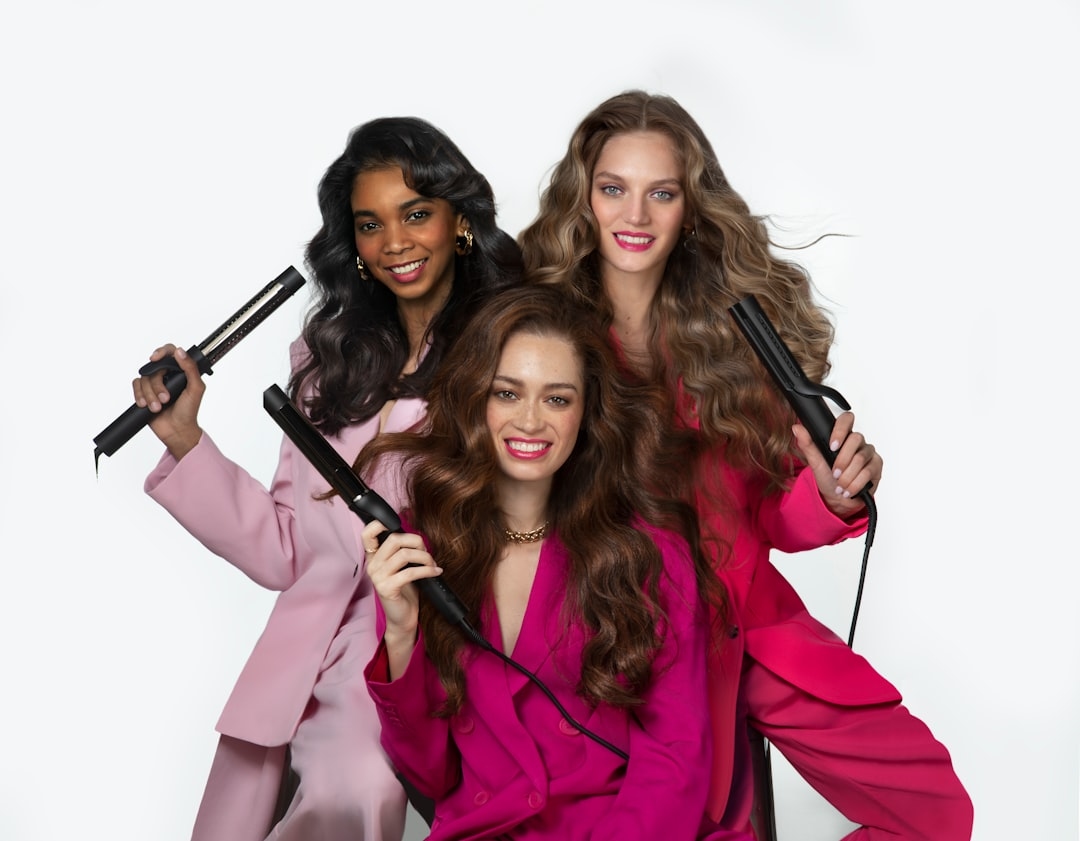
A diffuser attachment (approximately £8-15 as a standalone attachment fitting most blow-dryers) transforms blow-drying wavy hair. Instead of concentrating heat and airflow, diffusers distribute air evenly, drying without disrupting wave patterns.
Use diffuser on medium heat, medium speed. Cup waves gently into the diffuser, holding for 5-10 seconds, then release. Move diffuser around your head, drying in sections. This technique dries significantly faster than air-drying whilst preserving wave definition.
What the Pros Know
Professional stylists specialising in wavy hair understand that reducing frizz requires embracing the wave pattern rather than fighting it. They cut wavy hair with layers and movement, work with rather than against natural wave direction, and recommend styling products that enhance waves rather than suppress them.
Experienced stylists also know that occasional protein treatments transform frizzy wavy hair. Monthly protein deep-conditioning treatments (available at salons for £15-30 or as DIY masks for £3-8) temporarily improve cuticle smoothness, reducing frizz noticeably for 1-2 weeks post-treatment.
Step-by-Step Frizz-Reduction Routine
- Shampoo with gentle, sulphate-free shampoo designed for wavy or curly hair
- Apply protein-based conditioner, leave for 3-5 minutes, then rinse thoroughly with cool water
- Gently squeeze excess water using microfibre towel or t-shirt
- Apply leave-in conditioner to damp hair, focusing on mid-lengths and ends
- Apply curl-enhancing cream or gel to soaking-wet hair, working through with fingers
- Either air-dry or diffuse-dry on medium heat/speed, cupping waves into diffuser
- Once mostly dry, apply argan oil serum sparingly to ends
- Allow to completely air-dry before touching or styling further
This routine, taking 30-40 minutes initially, becomes automatic with practice. Most people notice frizz reduction within one week of consistent application.
FAQ
Can I achieve frizz-free waves without products?
With proper technique (microfibre towel drying, diffuser blow-drying, avoiding rough handling), you can reduce frizz significantly without products. However, adding leave-in conditioner and protein treatments enhances frizz control dramatically. For most people, combining technique with minimal product use achieves optimal results.
Why does my hair have more frizz some days than others?
Humidity fluctuations cause daily frizz variations. High-humidity days (65%+ humidity) trigger more frizz than dry days. Barometric pressure changes also affect hair cuticle response. Your hair isn’t inconsistent—environmental factors simply vary daily.
Will straightening damage my wavy hair permanently?
Occasional straightening using heat protectant doesn’t permanently damage wavy hair. However, frequent straightening (3+ times weekly) gradually stresses the wave pattern, making natural waves less defined. If you straighten occasionally, your natural waves return within 3-4 days. Straightening less frequently preserves your natural wave pattern.
Do expensive products work better than budget options for frizz?
Not necessarily. Budget leave-in conditioners (Superdrug own-brand, £1.99) work almost identically to premium versions. However, higher-end curl creams sometimes include better conditioning agents reducing frizz more effectively. For leave-in conditioners, budget options suffice. For styling creams, investing slightly more (£4-8) often improves results.
Can diet or supplements reduce frizz?
Hair health relates to overall nutrition. Biotin, collagen, and omega-3 supplements support hair structure, potentially reducing frizz long-term. However, these supplements work over 3-6 months—they’re not immediate solutions. Combine supplements with proper hair care techniques for maximum frizz reduction.
Reducing frizz in wavy hair requires embracing your natural wave pattern rather than fighting it. This fundamental mindset shift—working with your hair’s structure instead of against it—transforms frizz from a daily frustration into manageable minor concern. With proper drying technique, strategic product use, and regional humidity awareness, you can maintain beautiful, defined waves throughout the day. Most wavy-haired people discover their frizz problems were technique-based rather than hair-based, and adjusted routines solve issues they thought were permanent.