Contents:
- Understanding Black Dye and Why It’s Stubborn
- Colour-Removing Shampoos and Gradual Fading
- How Colour-Removing Shampoos Work
- Enhancing Colour Removal with Sun Exposure
- Bleach Washing for Faster Colour Removal
- What Bleach Washing Actually Does
- Damage Risk with Bleach Washing
- Professional Colour Removal Options
- Chelation Treatment at Salons
- Clarifying Treatments and Deep Cleansing
- Transitioning to a New Colour Without Full Removal
- Covering Black Dye with Darker Colours
- Lightening to Transitional Shades
- Post-Removal Hair Care and Damage Recovery
- Conditioning Protocol After Colour Removal
- Trimming Split Ends
- Expert Insight on Black Dye Removal
- Frequently Asked Questions
- Can I remove black dye at home safely?
- How long does black dye take to fade naturally?
- Will my natural hair colour show after black dye removal?
- Is bleach washing or colour remover better?
- Can I dye my hair immediately after removing black dye?
The myth that black dye is permanent and irreversible has convinced countless people they’re stuck with their colour choice forever. Here’s the truth: how to get black dye out of hair is entirely possible through several effective methods. The process isn’t simple, and results vary by hair type and dye formula, but removing black dye successfully is achievable at home or with professional help.
Quick Answer: Colour-removing shampoos work for fading black dye gradually (2–4 weeks). Bleach washing provides faster results (1–2 applications) but risks damage. Professional colour removal uses chelation or specialised products, costing £100–£300 but delivering safest results. Choose based on your hair’s current condition and desired timeline.
Understanding Black Dye and Why It’s Stubborn
Black dye clings to hair relentlessly because the dye molecules are substantially larger and more densely packed than those in lighter colours. When black dye penetrates the hair cuticle (outer layer), it coats the cortex (inner structure) thoroughly, making it exceptionally resistant to removal.
Two factors affect removal difficulty: the dye type and your hair’s porosity. Permanent dyes (containing ammonia and developer) penetrate deeper than semi-permanent dyes (deposit colour on the cuticle). High-porosity hair accepts dye more readily but also releases it slightly faster. Low-porosity hair resists dye absorption but holds it stubbornly once penetrated.
A critical point: how to get black dye out of hair depends partly on whether you’re attempting complete removal (revealing your natural colour beneath) or transitioning to a lighter dye shade. These are fundamentally different goals requiring different approaches.
Colour-Removing Shampoos and Gradual Fading
How Colour-Removing Shampoos Work
These specialist shampoos (brands like Color Oops, available at Boots for £12–£18) don’t strip dye from hair; they gradually fade it through repeated washing. They work by opening the hair cuticle slightly and helping colour molecules escape. Results appear gradually over 2–4 weeks of regular use.
The advantage: zero risk of damage. These shampoos work on all hair types and won’t cause breakage, thinning, or structural damage. You can use them indefinitely without harming hair. The disadvantage: extremely slow results, particularly on very dark black dye. Expecting complete colour removal is unrealistic—expect 30–50% fading over a month.
For best results, use colour-removing shampoo twice weekly, followed by a colour-safe conditioner. Avoid heat styling and chlorinated water (including swimming pools) during the fading period, as these accelerate damage and prevent optimal fading.
Enhancing Colour Removal with Sun Exposure
UV light naturally fades hair colour. Spending time outdoors (particularly April–August when UK sun exposure is strongest) whilst using colour-removing shampoo accelerates fading. Combining both approaches can reduce your timeline from 4 weeks to 2–3 weeks.
Don’t rely on sun exposure alone—it’s too gradual and unpredictable in the UK climate. But used alongside colour-removing shampoo, UV exposure provides meaningful acceleration without additional cost or damage.
Bleach Washing for Faster Colour Removal
What Bleach Washing Actually Does
Bleach washing differs from traditional bleaching. Rather than mixing bleach with developer (which lightens hair dramatically), bleach wash combines bleach with shampoo. This diluted approach removes colour deposits without fully lightening your underlying hair colour.
The process: mix one part powder bleach with two parts purple-toning shampoo, apply to damp hair, leave 10–15 minutes, then rinse thoroughly. One application typically removes 40–60% of black dye. Two applications (spaced 5–7 days apart) remove 70–85% of colour, though this increases damage risk significantly.
Products like Wella T18 or other purple-toning shampoos prevent brassy yellowing during the bleach wash process. They cost £6–£12 at Superdrug and are essential for achieving natural-looking results.
Damage Risk with Bleach Washing
Bleach damages hair. Period. One bleach wash increases porosity and causes some protein loss. Two applications substantially damage even healthy hair. Three or more applications risk severe breakage, brittleness, and structural failure.
Bleach washing is safest on virgin hair (never previously bleached). Previously lightened hair should avoid bleach washing entirely. Assess your hair’s condition honestly: if your hair is fine, dry, damaged, or previously coloured, bleach washing risks creating unusable hair texture.
Always perform a patch test 48 hours before attempting bleach washing. Apply the mixture to a small, inconspicuous section at the back of your head. If your hair breaks, feels mushy, or shows excessive damage after rinsing, abandon the bleach washing approach.
Professional Colour Removal Options
Chelation Treatment at Salons
Professional salons use chelation treatments that chemically bind to dye molecules, helping extract them from the hair without bleaching. Brands like Color Oops professional treatment (available in UK salons) safely remove 50–70% of black dye in a single application.
Cost varies: expect £80–£150 per treatment at UK salons. Results often require two treatments (spaced 1–2 weeks apart) for substantial colour removal, totalling £160–£300. This investment is worthwhile if your hair is damaged or if you’ve previously bleached your hair, as it avoids further damage.
Clarifying Treatments and Deep Cleansing
Some salons offer specialised clarifying treatments using chelating shampoos mixed with heat and massage. These treatments remove product buildup and mineral deposits, which can make black dye appear darker. Whilst not removing dye directly, clarifying treatments sometimes reveal your hair’s true colour beneath accumulated product layers.
Cost is typically £30–£60 per treatment. Results are unpredictable—some people see noticeable lightening, others see minimal change. This option works best combined with colour-removing shampoos rather than as a standalone solution.
Transitioning to a New Colour Without Full Removal
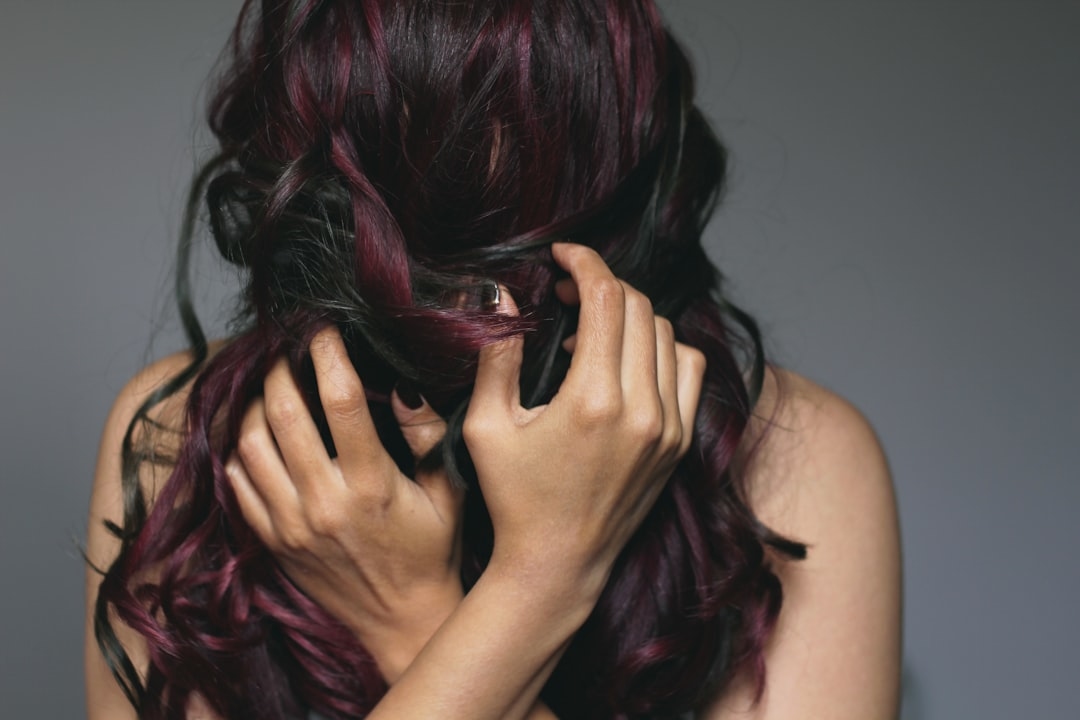
Many people don’t actually need complete black dye removal—they simply want to transition to a new colour. This approach requires different strategies depending on your target colour.
Covering Black Dye with Darker Colours
The simplest approach: apply a darker or entirely different shade over black. Deep browns, dark blues, purples, or reds layer directly over black without requiring removal. This takes approximately 30–45 minutes and costs £20–£60 depending on DIY (home) or professional application.
The limitation: you can only go darker, not lighter. If you’re seeking a lighter colour, you absolutely must remove some black dye first.
Lightening to Transitional Shades
Want to go lighter than black but not platinum? Bleach washing once (not twice) can lighten black hair to dark brown or dark grey tones. Then apply your desired shade over this lighter base. This two-step approach requires only one bleach wash (reducing damage) whilst achieving lighter colour results.
For example: bleach wash once to lighten black to dark brown, then apply ash blonde or silver grey dye. This yields significantly more realistic colour than attempting to apply light shades directly over black, which rarely shows true tone.
Post-Removal Hair Care and Damage Recovery
After any colour removal method, your hair requires intensive repair. Hair that’s been through colour removal is temporarily more porous and fragile than normal.
Conditioning Protocol After Colour Removal
For the two weeks following colour removal, use a deep conditioning treatment three times weekly. Products like Kerastase Elixir Ultime (£25–£35) or SheaMoisture Intensive Hydration Mask (£8–£12) restore moisture and protein. Apply from mid-length to ends, leaving on for 15–20 minutes before rinsing.
Avoid heat styling completely for at least one week. Your hair needs recovery time. When you resume heat styling, always use a heat protectant spray (£4–£8) and keep temperatures at 180°C or lower.
Trimming Split Ends
Schedule a trim 3–4 weeks after colour removal. By this point, any damaged ends are apparent. Removing split ends prevents further breakage travelling up the hair shaft. A professional trim costs £25–£50 depending on your salon; removing 1–2 inches addresses most damage without dramatically shortening your hair.
Expert Insight on Black Dye Removal
Emma Richardson, certified trichologist at Manchester Hair Health Clinic, explains: “Many clients believe black dye is permanent, but that’s outdated thinking. Modern removal methods work genuinely well. The key decision is whether you want safest results or fastest results. Bleach washing is fast but damages hair. Chelation treatments take time to show full results but protect hair integrity. I recommend clients choose based on their hair condition rather than their timeline. Damaged hair needs the gentler approach; healthy hair can tolerate bleach washing if done once only.”
Frequently Asked Questions
Can I remove black dye at home safely?
Yes, using colour-removing shampoos or mild bleach washing is safe for home application if you follow instructions precisely. Patch test first. Professional salon treatments offer safest results but cost more. Choose home methods only if your hair is healthy, undamaged, and you’re prepared to accept potential imperfect results.
How long does black dye take to fade naturally?
Without treatment, black dye fades extremely slowly—approximately 10–15% monthly if you wash regularly. Expecting natural fading without assistance typically requires 6–12 months. Most people choose active removal methods rather than waiting.
Will my natural hair colour show after black dye removal?
Not necessarily. Permanent black dye deposits colour directly onto your hair shaft, covering your natural shade. Removing dye reveals the shade of hair beneath—which may not be your original natural colour if you’ve dyed your hair multiple times. If your natural base is light, you’ll see it clearly. If your natural base is medium brown or darker, removed areas may appear similar to your remaining black dye.
Is bleach washing or colour remover better?
Colour remover (chelation) is safer and gentler. Bleach washing is faster but damages hair. Choose based on your hair condition: damaged hair needs colour remover; healthy hair tolerates bleach washing. Time isn’t worth sacrificing hair health.
Can I dye my hair immediately after removing black dye?
Wait at least 5–7 days after colour removal before applying new dye. Your hair needs recovery time. Applying dye immediately risks excessive damage and uneven colour application. The brief waiting period yields noticeably better results and healthier hair long-term.
Removing black dye is genuinely achievable—you’re not stuck permanently. The method you choose determines your timeline and damage risk. Start with colour-removing shampoos if you have time; choose bleach washing if you have healthy hair and want faster results; invest in professional chelation if your hair is already damaged or you prioritise safety. Whatever approach you select, commit to the post-removal hair care that protects your newly lightened locks. Your hair’s health is worth the investment in proper recovery.