Contents:
- What Makes Shoulder Length Hair Unique to Style
- Essential Tools for Styling Shoulder Length Hair
- Round Brush Selection
- Blow Dryer Wattage and Nozzle
- Flat Iron or Straightening Paddle
- Mastering the Basic Blow-Dry
- Creating Waves and Texture
- Heatless Wave Method
- Curling Iron Waves
- Straightened Then Waved
- Styling for Different Hair Textures
- Fine or Thin Hair
- Thick or Coarse Hair
- Curly or Wavy Hair
- Practical Everyday Styles
- Half-Up, Half-Down
- Sleek Low Ponytail
- Tousled Everyday Texture
- Styling for Different Settings
- Professional or Formal Events
- Casual or Weekend Styling
- Maintenance Between Washes
- Common Mistakes to Avoid
- Over-Styling
- Wrong Product Volume
- Ignoring Cut Quality
- Rushing the Drying Process
- Styling Timeline and Realistic Expectations
- Budget Breakdown for Shoulder Length Hair Styling
- Frequently Asked Questions
- How often should I wash shoulder length hair?
- Can I style shoulder length hair without heat tools?
- What’s the best way to sleep on shoulder length hair without messing it up?
- How do I prevent my shoulder length hair from looking flat on one side?
- Is shoulder length hair good for all face shapes?
- How quickly does shoulder length hair grow out if I want to go longer?
- Moving Forward With Your Shoulder Length Hair
You stand in front of the mirror, shower-damp hair brushed down past your collarbone, and wonder what comes next. Shoulder length hair sits in an awkward middle ground—too short for easy updos, too long to simply blow-dry and forget. Yet this length offers flexibility that shorter styles lack. The real question isn’t whether shoulder length hair can be styled well. It’s knowing which techniques actually work without turning your morning routine into a 45-minute ordeal.
Shoulder length hair has remained a perennial choice for a reason. It frames the face effectively, sits within easy reach of your hands, and transitions between casual and polished looks without drama. The challenge lies in understanding the mechanics of what makes this length work, the tools that genuinely deliver results, and the daily routines that keep it looking intentional rather than accidentally styled.
What Makes Shoulder Length Hair Unique to Style
Shoulder length hair falls into a specific category that behaves differently from shorter pixie cuts or longer waist-length styles. At around 30-35 cm from crown to ends, this length creates natural movement without weighing itself flat. The shape of your face, your hair texture, and how your hair grows at the nape and temples all become more visible at this length. There’s nowhere to hide a bad cut or inconsistent styling.
According to Charlotte Whitmore, a trichologist at London’s Royal Salons, “Shoulder length hair requires more attention to internal structure. You need to understand your hair’s natural fall pattern and work with it, not against it. The point where hair hits the shoulder becomes a pivot point that either creates flattering angles or draws attention to width where you might not want it.”
The science behind this involves hair weight distribution. Longer hair pulls down at the roots, creating flatness. Very short hair stands more easily due to reduced weight. Shoulder length creates a midpoint where balance matters. A cut with proper layers (typically 3-5 distinct layers depending on hair density) can add shape without creating that “choppy” appearance that dates a style.
Essential Tools for Styling Shoulder Length Hair
Round Brush Selection
A round brush transforms blow-dried results more than any other tool. For shoulder length hair, aim for a barrel diameter of 4-5 cm. Smaller barrels (under 4 cm) create too much curl for everyday wear unless you specifically want waves. Larger barrels (over 6 cm) work poorly because hair barely wraps around them, leaving root area flat.
Expect to spend £20-35 on a quality round brush that won’t shed bristles after three uses. Cheap options deteriorate quickly and waste time. Brands like Denman and Kent offer bristles that grip without pulling.
Blow Dryer Wattage and Nozzle
Wattage matters. A 1600-1800W blow dryer dries shoulder length hair in 8-12 minutes. Lower wattage means 15-20 minutes of heat exposure. The concentrator nozzle that comes with most dryers should be replaced with a narrower version (roughly 5-6 cm wide) for better directional control. This costs £8-12 for an aftermarket nozzle but cuts actual styling time noticeably.
Flat Iron or Straightening Paddle
A straightening iron with 2.5-3 cm plates works best for shoulder length hair. Narrower plates (2 cm) create kinks if you’re not experienced. Wider plates (3.5+ cm) skip over sections at this length. Ceramic plates with ionic technology run £25-60 depending on brand. The ionic feature reduces frizz by neutralizing static charge during styling.
Mastering the Basic Blow-Dry
The foundation of most shoulder length styles is a clean blow-dry. This isn’t fancy—it’s mechanical. Start with towel-dried (not soaking wet) hair. Apply heat protectant spray before blow drying. Standard drugstore versions work fine; premium brands offer marginally better results at 3-4 times the price.
Divide hair into four quadrants: a crown section, two side sections, and a nape section. Dry the nape and back sections first, rough-drying to remove bulk moisture. Then use your round brush on the side sections, angling the brush away from your face as you dry. This creates subtle volume at the crown without looking obviously styled.
Finish by running cool air through all hair for 30 seconds. This seals the cuticle and sets movement, reducing frizz and increasing hold. The entire process takes 12-15 minutes once you develop rhythm.
Sarah, a marketing manager from Manchester, discovered this made a real difference: “I used to blow-dry quickly and wonder why my hair fell flat by lunchtime. Adding that cool-down step and actually using a round brush changed everything. My style lasts through a full day now instead of collapsing mid-afternoon.”
Creating Waves and Texture
Heatless Wave Method
For softer waves without heat damage, the overnight braid method remains effective. Braid damp (not wet) hair into 2-3 loose braids before bed. Let it dry overnight. Release braids in the morning and finger-comb through waves. This works best on shoulder length hair because the length is substantial enough to hold texture but short enough that braids don’t tighten uncomfortably overnight.
Curling Iron Waves
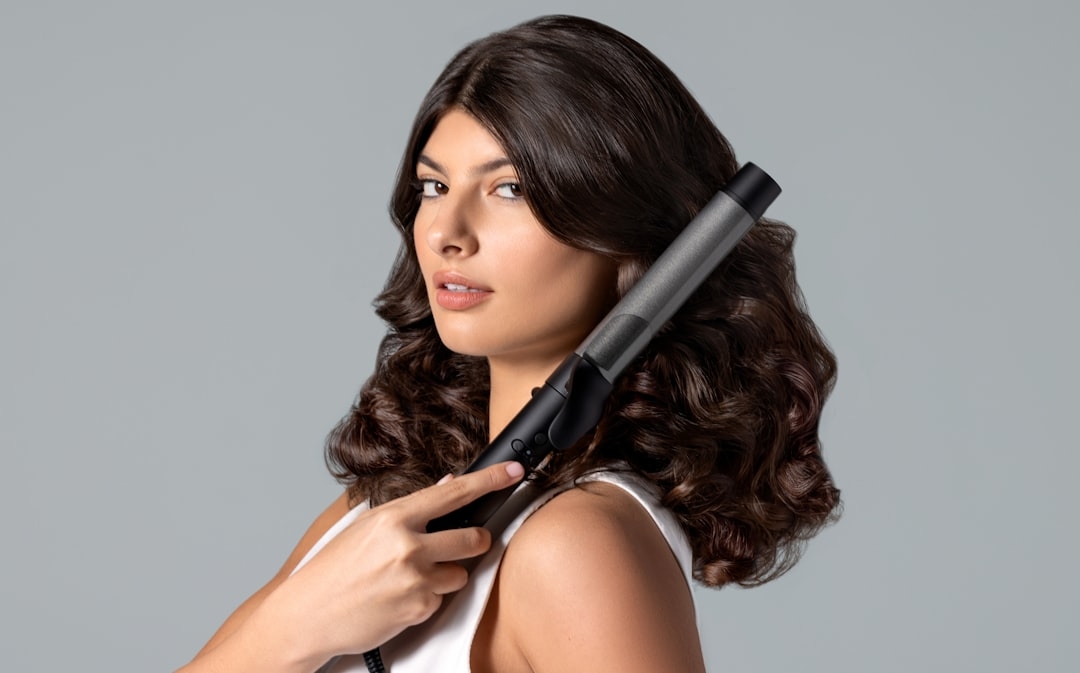
A 3.2 cm barrel curling iron creates loose waves on shoulder length hair. Wrap 2-3 inch sections around the barrel, holding for 8-10 seconds. Release and let cool. The cooling step is critical—hair sets as it cools, not while hot. This method takes 15-20 minutes but delivers salon-quality waves that last 2-3 days.
Spray after curling sets everything. Budget-friendly hairsprays (£2-4) hold adequately; premium options aren’t necessary unless you’re in high humidity or wind.
Straightened Then Waved
Blow-dry straight, then use a waver or straightener to create texture. This hybrid approach gives definition without the frizz that heat can create on unstyled hair. The base blow-dry provides smoothness; secondary styling adds shape.
Styling for Different Hair Textures
Fine or Thin Hair
Shoulder length fine hair benefits from shorter layers (starting 5 cm from the face) that prevent stringy ends. Avoid heavy products; use lightweight mousses or texturizing sprays instead of creams. Blow-dry with your head tilted forward for 30 seconds to build root volume, then style normally. This lifts roots before they dry flat.
Thick or Coarse Hair
This texture carries waves and layers beautifully. You can sustain 5-7 layers without losing density. Products that seal moisture (leave-in conditioners, lightweight oils) prevent frizz that thick hair is prone to. Styling time is often longer because of volume, but movement looks more intentional.
Curly or Wavy Hair
Shoulder length curly hair needs a specific cut that works with curl pattern rather than fighting it. Ask your stylist for a dry cut (cut when hair is in its natural state, not straight). Styling involves scrunching product into damp hair and either air-drying or diffuser blow-drying. Never brush curly hair when dry; it breaks up curl structure.
Practical Everyday Styles
Half-Up, Half-Down
The most versatile shoulder length style. Take a section from each temple, twist or braid slightly, and secure at the crown with a small clip or elastic. This removes hair from your face without requiring an updo commitment. Works on second or third day hair without looking unkempt. Takes 2-3 minutes including securing. Cost: minimal—one elastic or clip (£1-3).
Sleek Low Ponytail
Blow-dry straight, use a fine-tooth comb to smooth, apply pomade or gel to baby hairs at the hairline, and gather at the nape. Wrap a small section of hair around the elastic to conceal it. This looks polished without effort. Holds well for 8-10 hours in normal conditions.
Tousled Everyday Texture
Not all styling requires perfection. Textured dry shampoo applied to damp roots, allowed to dry, then finger-combed through creates intentional texture that hides a day’s worth of movement. This actually looks better on second-day hair. Dry shampoo costs £3-5 per can and lasts 3-4 weeks with daily use.
Styling for Different Settings
Professional or Formal Events
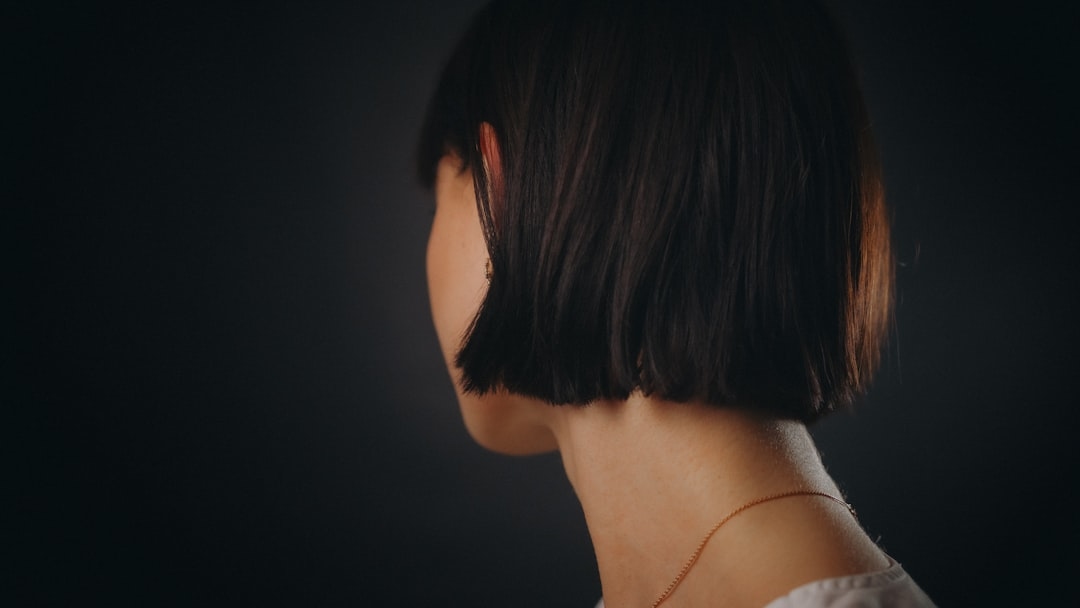
Aim for polished rather than trendy. Blow-dry with round brush, flat-iron straight if desired, then finish with a sleek ponytail, professional bun (use a bun former for shape—£2-4), or soft waves pinned on one side. Hairspray holds this for 6+ hours. Budget: £25-40 for event-ready styling products if buying new.
Casual or Weekend Styling
Texture and movement take priority. Braid overnight, use a texturizing spray, or curl loosely. Messiness reads as intentional. Second-day hair often looks better for casual styling than freshly washed hair. No additional product investment needed if you already own basics.
Maintenance Between Washes
Shoulder length hair typically requires washing every 2-3 days without looking greasy or flat. Dry shampoo extends this to 4 days for many people. Applied to roots where oil concentration peaks, it absorbs moisture and adds texture simultaneously.
Weekly treatments restore moisture lost to heat styling. A 15-minute deep conditioning mask (£8-15 for quality brands) makes noticeable difference in softness and shine. Apply to mid-lengths and ends, avoiding roots where it weighs hair down.
Trim every 8-10 weeks to maintain shape. At shoulder length, even a half-inch trim refreshes movement and prevents split ends from creeping up the hair shaft. Budget £25-45 per trim at an average UK salon.
Common Mistakes to Avoid
Over-Styling
Shoulder length hair doesn’t need curling iron treatment every single day. Alternating styled days with texture spray days extends style life and reduces heat damage. Your hair actually looks fuller when you vary styling because repeated curling can permanently relax curl.
Wrong Product Volume
Using thick creams on fine shoulder length hair creates grease. Using nothing on coarse hair leaves it frizzy. Texture and weight of product must match hair type. Don’t assume expensive equals suitable. A £4 lightweight mousse might work better than a £20 premium cream for your specific hair.
Ignoring Cut Quality
Shoulder length hair demands precision. An uneven cut becomes obvious immediately because hair hits the shoulder at slightly different angles. Invest in a stylist who understands layering and face shape. A poor £20 cut costs more in product spending and frustration than a proper £40-50 cut that requires minimal daily effort.
Rushing the Drying Process
Blow-drying in 5 minutes looks like it. Taking 12-15 minutes to dry methodically with a round brush changes everything. The time investment pays off in style duration and appearance.
Styling Timeline and Realistic Expectations
Understanding what’s realistic helps set proper expectations. A basic blow-dry takes 12-15 minutes. Adding waves or curls adds 5-10 minutes. A formal updo takes 20-30 minutes. Casual texture achieved with dry shampoo and finger-combing takes 3-5 minutes.
First time you attempt a new technique, allocate double the time. Your hands need to learn muscle memory. By the fourth or fifth attempt, speed increases naturally. Expecting salon-quality results in five minutes when your stylist takes 20 minutes isn’t realistic.
Most shoulder length styles hold 2-3 days before requiring rewashing. This means you can manage with 2-3 different styles per week rather than styling fresh daily. Plan accordingly.
Budget Breakdown for Shoulder Length Hair Styling
Here’s what ongoing maintenance actually costs annually:
- Trims (8-week intervals): £25-45 × 6 = £150-270
- Blow dryer (replaces every 2-3 years): £40-80 ÷ 3 = £13-27
- Round brush (replaces yearly): £20-35 = £20-35
- Heat protectant, styling sprays, dry shampoo: £3-5 each × 12 = £36-60
- Deep conditioning treatment (monthly): £8-15 × 12 = £96-180
- Straightener or curling iron (replaces every 3 years): £40-80 ÷ 3 = £13-27
Total annual investment: approximately £328-599 depending on choices. This assumes purchasing quality basics, not luxury products. Stretching to discount options reduces costs; purchasing premium brands increases them. Most people find a middle ground within this range.
Frequently Asked Questions
How often should I wash shoulder length hair?
Every 2-3 days for most people. If you have fine hair, every 2 days. Coarse hair often goes 3-4 days. The key is listening to your hair rather than following arbitrary rules. Wash when it looks and feels dirty, not on a fixed schedule.
Can I style shoulder length hair without heat tools?
Yes. Overnight braiding, finger-combing mousse through damp hair, and using texture spray all work without heat. The results look different—less polished, more textured—but they’re legitimate styling options. Many people prefer this for weekly variety.
What’s the best way to sleep on shoulder length hair without messing it up?
A loose braid or bun on top of your head keeps ends from tangling against your pillow. A silk or satin pillowcase reduces friction compared to cotton. This combination maintains styling through sleep reasonably well. Expect slight texture change, not complete preservation.
How do I prevent my shoulder length hair from looking flat on one side?
Alternate which side you sleep on. Vary your ponytail placement if you wear one regularly. If sleeping position isn’t changeable, a silk pillowcase helps significantly. Texture spray applied to that side in the morning revives movement.
Is shoulder length hair good for all face shapes?
Yes, with strategic styling. A stylist can customize the placement of layers and length variation to flatter your specific face shape. Round faces benefit from longer layers that elongate. Square faces suit softer waves. Oval faces work with most variations. Consult with your stylist about what works for your features.
How quickly does shoulder length hair grow out if I want to go longer?
Hair grows approximately 15 cm per year on average. Shoulder length to mid-back (roughly 20 cm difference) takes about 16 months. Coloring, heat damage, and split ends can slow growth slightly. Regular trims (every 8-10 weeks) remove damaged ends, actually supporting healthy growth despite shorter overall length.
Moving Forward With Your Shoulder Length Hair
Styling shoulder length hair effectively comes down to understanding three elements: your hair’s specific texture and behavior, the tools and products that work with (not against) your hair type, and realistic time investment. A £50 cut from a stylist who understands shoulder length proportions sets you up better than a £20 cut paired with expensive products and frustration.
Start with mastering one technique—the basic blow-dry or simple waves—before adding complexity. Once that feels natural and takes 12-15 minutes without thought, add a second technique. This builds competence without overwhelming yourself.
Your shoulder length hair isn’t a limitation. It’s flexibility. You can go from casual waves to polished updo within minutes. You can stretch washes to 4 days with dry shampoo or maintain fresh styles daily. You have options that shorter cuts lack and simplicity that longer hair doesn’t offer. That’s the real advantage of this length.
Next time you find yourself looking at damp shoulder length hair wondering what to do, you’ll have specific techniques, realistic time expectations, and knowledge of what actually works. That’s the difference between struggling with your hair and styling it intentionally.