Contents:
- What Makes Hair Dry and Frizzy?
- Common Causes of Dry and Frizzy Hair
- Heat Damage and Styling Tools
- Overwashing and Harsh Products
- Chemical Treatments and Colouring
- Environmental Factors
- Nutritional Deficiencies
- Dry Hair vs. Dehydrated Hair: An Important Distinction
- Common Mistakes to Avoid
- Practical Solutions and Conditioner Recommendations
- Switch to Gentler Cleansing
- Invest in a Deep Conditioning Treatment
- Apply Leave-In Conditioner
- Use Heat Protectant Sprays
- Reduce Heat Styling or Use Lower Temperatures
- Trim Regularly
- Frequently Asked Questions
- Can dry, frizzy hair be permanently fixed?
- Is coconut oil good for frizzy hair?
- What’s the best conditioner for dry and frizzy hair?
- Should I use a hair serum or oil for frizz?
- How often should I deep condition my hair?
- Moving Forward: Your Frizz-Free Future
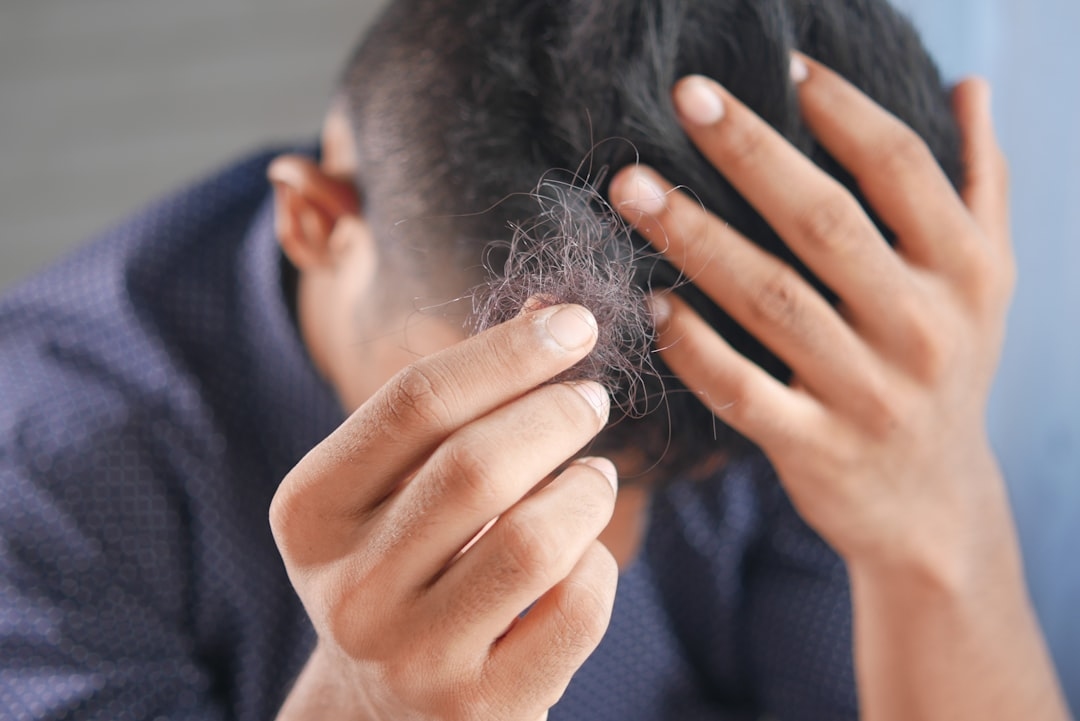
That frustrating morning when you glance in the mirror and find your hair has transformed into a frizzy, straw-like mess—it’s a feeling millions of people know too well. Your locks might feel brittle, look dull, and seem to have a mind of their own, especially if you live in the UK where our unpredictable weather loves to wreak havoc on hair. The good news? Understanding why this happens is the first step to fixing it.
What Makes Hair Dry and Frizzy?
Dry, frizzy hair starts with a simple scientific reality: your hair has lost moisture. The outermost layer of each hair strand, called the cuticle, is made up of overlapping scales. When your hair is healthy and hydrated, these scales lie flat, creating a smooth surface that reflects light and feels soft to the touch. When your hair is dry, the cuticle scales lift and become rough, allowing moisture to escape and humidity to penetrate unevenly. This is what causes that telltale frizz.
But there’s more to it than just dryness. Frizz occurs specifically when moisture from the air seeps into the hair shaft unevenly, causing the strands to swell in an unpredictable way. This is why you might notice your hair looks worse on humid days—there’s more atmospheric moisture to mess with your hair’s structure. The UK’s temperate, often damp climate creates the perfect storm for frizz development.
Common Causes of Dry and Frizzy Hair
Heat Damage and Styling Tools
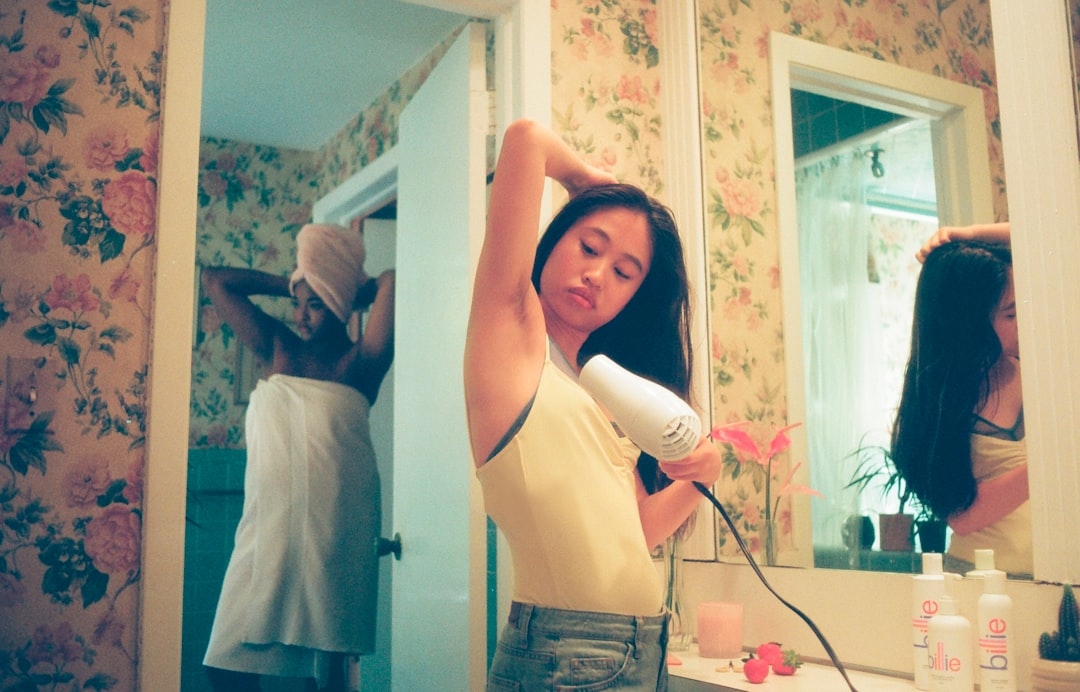
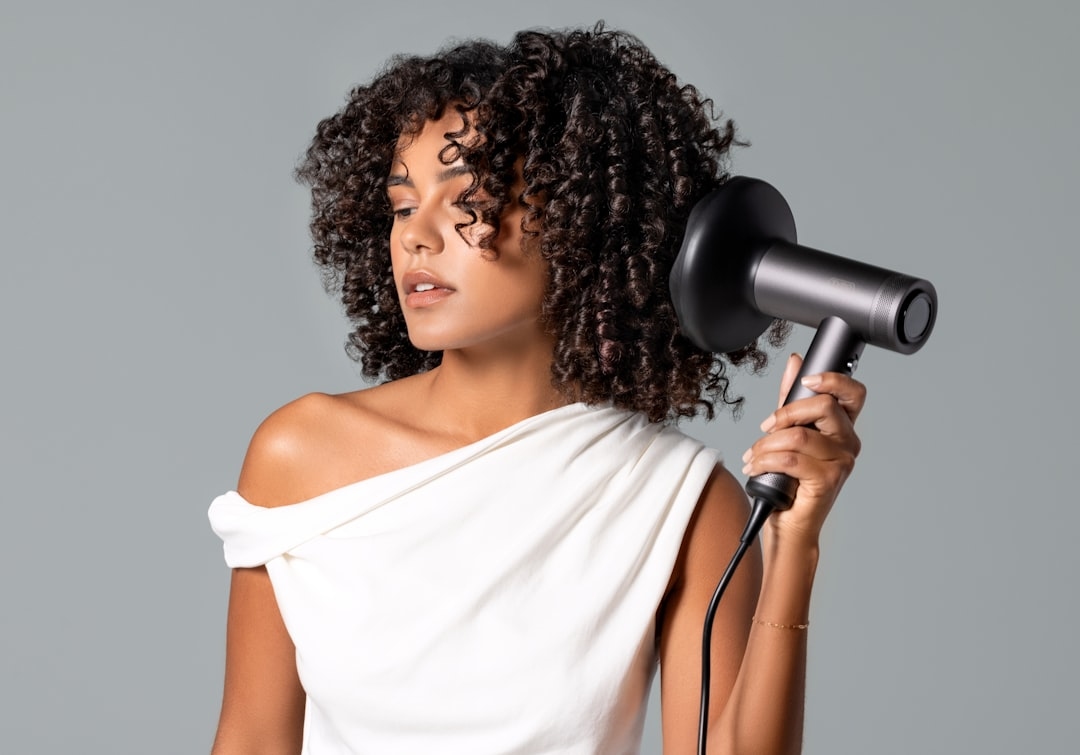
Blow dryers, straighteners, and curling irons operate at temperatures between 140°C and 230°C. Regular use without proper protection damages the protein structure of your hair, causing it to lose its natural oils and ability to retain moisture. Even one high-heat styling session can create microscopic damage; repeated exposure compounds the problem significantly. If you style your hair daily with heat, you’re potentially causing cumulative damage that manifests as dryness and frizz.
Overwashing and Harsh Products
Traditional shampoos contain sulfates—powerful cleansing agents that strip away natural oils (sebum) from your scalp and hair. Your hair needs these oils for protection and moisture retention. Washing more than three to four times per week can disrupt this natural balance, especially if you’re using conventional drugstore shampoos. Some people wash daily, which is why they develop increasingly dry, frizzy hair over time.
Chemical Treatments and Colouring
Permanent hair dye, relaxers, bleach, and even semi-permanent colour treatments alter the hair’s protein structure. These chemicals open up the cuticle layer to deposit colour molecules, which inevitably damages the hair’s structural integrity. If you’ve had your hair coloured or chemically treated within the last few months, that could absolutely be contributing to your dryness and frizz.
Environmental Factors
Sun exposure damages hair much like it damages skin. UV rays break down the proteins that keep hair strong and elastic. Chlorine in swimming pools chemically bonds to hair, stripping natural oils. Pollution particles in urban areas can coat the hair shaft, preventing moisture absorption. The UK’s frequent rain and wind also contribute—while not inherently damaging, wind dries hair out quickly, and repeated wet-dry cycles weaken the cuticle.
Nutritional Deficiencies
Your hair grows from living cells in your scalp. If you’re not consuming enough protein, essential fatty acids, iron, zinc, or biotin, your body won’t have the building blocks to create strong, healthy hair. Deficiencies don’t happen overnight, but over weeks or months, new hair growth becomes increasingly weak and prone to breakage and dryness.
Dry Hair vs. Dehydrated Hair: An Important Distinction
Many people confuse these two conditions. Dry hair actually lacks natural oils (sebum) and is a hair type. Your scalp simply doesn’t produce enough oil to coat your strands, so your hair is naturally drier regardless of treatments. This is genetic and permanent—you’ll have dry hair for life.
Dehydrated hair, however, is a temporary condition where hair has lost moisture (water content) despite potentially having natural oils. You can have naturally oily hair that becomes dehydrated from heat damage or chemical treatments. The distinction matters because the solutions differ. Dry hair needs oil-based products and scalp stimulation, while dehydrated hair needs humectants and water-binding ingredients. Most people dealing with frizz actually have dehydrated hair that’s been damaged by external factors.
Common Mistakes to Avoid
Don’t assume that using more conditioner will automatically fix the problem. If you have fine hair that’s dehydrated rather than naturally dry, heavy conditioners can weigh your hair down and make it look limp and greasy at the roots. Instead, use lightweight, water-based conditioners or hydrating serums.
Avoid using towels to dry your hair aggressively. Rubbing wet hair with a regular towel creates friction that damages the cuticle and causes breakage. Instead, wrap your hair gently in a microfibre towel or cotton t-shirt for 10-15 minutes to absorb excess water.
Don’t comb through wet hair without detangler. Wet hair is more elastic and vulnerable, and combing roughly can snap strands. Always use a wide-toothed comb on damp hair, starting from the ends and working upward.
Practical Solutions and Conditioner Recommendations
Switch to Gentler Cleansing
Replace your current shampoo with a sulfate-free or co-wash product. These are gentler and preserve your natural oils. Brands like Cantu, SheaMoisture, and Aunt Jackie’s offer affordable options in the UK ranging from £3.50 to £7.99. Alternatively, reduce washing frequency to twice weekly or even once weekly, using dry shampoo on in-between days.
Invest in a Deep Conditioning Treatment
Use an intensive conditioner or hair mask once or twice weekly. Products containing argan oil, coconut oil, shea butter, or hyaluronic acid actively restore moisture. A good deep conditioner costs £8–£18 in the UK and lasts several months with weekly use. Apply it to damp hair, focusing on mid-lengths and ends, and leave it on for at least 15 minutes (or overnight for severely dry hair).
Apply Leave-In Conditioner
A lightweight leave-in conditioner can be applied to damp hair before styling. This creates a protective barrier against heat and helps seal the cuticle. Expect to pay £6–£12 for a quality leave-in product in 2026.
Use Heat Protectant Sprays
Before using any heat styling tools, apply a heat protectant spray. These typically cost £5–£10 and form an invisible coating that reduces moisture loss and heat damage by approximately 50 per cent when tested in controlled conditions.
Reduce Heat Styling or Use Lower Temperatures
If possible, air dry your hair or use a heat-free styling method like braiding damp hair overnight. If you must blow dry, use medium heat (around 140°C) rather than maximum heat, and always use the cool-shot setting at the end to seal the cuticle.
Trim Regularly
Split ends make hair look dry and frizzy. Get a trim every 8–10 weeks if you have long hair or every 6 weeks if you colour your hair. Removing 1–2 centimetres of damaged ends prevents breakage from creeping further up the hair shaft.
Frequently Asked Questions
Can dry, frizzy hair be permanently fixed?
You can’t change your hair type, but you can absolutely improve the condition of your existing hair and prevent future damage. New hair growth can be healthier if you address the root causes. Most people see noticeable improvement within 6–8 weeks of consistent proper care.
Is coconut oil good for frizzy hair?
Coconut oil works well for some people but can be problematic for others. It’s a heavy oil that can coat the hair, making it look greasy if used excessively. It works best as an occasional deep treatment rather than a daily product. Test it on a small section first.
What’s the best conditioner for dry and frizzy hair?
Look for conditioners containing humectants like glycerin or hyaluronic acid, emollients like argan or jojoba oil, and proteins like keratin. Brands like Carol’s Daughter, Cantu Shea Butter, and Palmer’s offer good options under £10 in UK shops. The best choice depends on your hair texture and scalp condition, so you may need to try a few products.
Should I use a hair serum or oil for frizz?
Yes, but use these products sparingly and on the ends only. A small amount of hair serum (£7–£15) or argan oil can seal the cuticle and reduce frizz without making your hair greasy. Apply to damp hair or use as a finishing product on dry hair.
How often should I deep condition my hair?
For dry or dehydrated hair, deep condition weekly. If your hair is severely damaged, you can deep condition twice weekly for a month to rehabilitate it, then scale back to maintenance mode at once weekly.
Moving Forward: Your Frizz-Free Future
Why your hair is so dry and frizzy usually comes down to a combination of factors—some you can’t control (genetics, weather) and some you absolutely can (products, heat use, maintenance habits). Start by identifying which causes resonate with your situation. If you’ve been blow-drying daily, try reducing it to three times weekly. If you’re using a harsh shampoo, switch to a gentler formula. If you’ve never used a deep conditioning treatment, add one to your routine immediately.
Small changes compound quickly. Within a few weeks of implementing a better conditioner routine, protecting your hair from heat, and reducing wash frequency, you’ll likely notice your hair feeling softer and looking less frizzy. The mirror won’t lie—better habits produce better hair.