Contents:
- Understanding Your Long Hair Potential
- Layered Cuts: Movement Without the Maintenance
- Face-Framing Waves: Flattery Without the Fuss
- Blunt Bobs and Modern Shags: Sleek Sophistication
- Braided Styles: Versatility at Minimal Cost
- Romantic Updos: Elegance for Occasions
- Common Mistakes to Avoid
- How to Choose the Right Style for You
- Face Shape Considerations
- Hair Texture and Natural Texture
- Realistic Maintenance Commitment
- Budget Breakdown for Long Hair Styling
- Regional Styling Preferences Across the UK
- Maintenance Tips for Long Hair Health
- Monthly Maintenance
- Trim Schedule
- Daily Care
- Product Selection
- Seasonal Styling Adjustments
- FAQ: Your Long Hair Styling Questions Answered
- What’s the cheapest way to maintain long hair?
- How often should I trim long hair to keep it healthy?
- Which hairstyle requires the least daily styling?
- Can I achieve salon-quality waves at home for long hair?
- What’s the best budget-friendly alternative to expensive salon treatments?
- The Path Forward: Your Long Hair Styling Strategy
Quick Answer: The best hairstyles for long hair depend on your face shape and lifestyle. Top choices include layered cuts (£35-£60), face-framing waves (£40-£70), blunt bobs (£45-£80), braided styles (minimal cost), and romantic updos (DIY or £20-£40 for styling). Consider your daily time commitment, hair texture, and maintenance budget before choosing.
Understanding Your Long Hair Potential
Long hair offers incredible versatility that shorter styles simply cannot match. Whether your hair falls to your shoulders, mid-back, or beyond, the length itself becomes a canvas for countless styling possibilities. The question isn’t whether long hair can look brilliant—it absolutely can—but rather which styles suit your specific circumstances.
The frustration many people feel stems from uncertainty. You’ve invested time growing your hair, but you’re unsure how to style it without spending a fortune at the salon every month. Perhaps you’ve seen gorgeous hairstyles on social media and wondered if you could actually achieve them at home. These are valid concerns, and the good news is that long hair offers more budget-friendly styling options than you might realise.
What makes a hairstyle work isn’t magic or expensive products. It’s understanding three fundamental factors: your hair’s natural texture, your face shape, and your realistic maintenance capacity. Get these right, and you’ll have a hairstyle that looks effortlessly polished without constant professional intervention.
1. Layered Cuts: Movement Without the Maintenance
Layered cuts represent one of the most practical choices for long hair, particularly if you’re budget-conscious. A good layering strategy removes bulk from the hair while maintaining length, creating natural movement and volume.
The cost typically ranges from £35 to £60 at an independent salon in the UK, with higher prices in London and major cities. The real advantage? You can maintain a layered cut for 8-10 weeks before needing a trim, compared to 4-6 weeks for blunt cuts. This directly reduces your annual salon spending.
Layered styles work especially well for people with thick hair because they reduce density without requiring thinning shears that can cause flyaways. If your hair is fine or thin, light layers add texture and the illusion of thickness. The positioning matters too: shorter layers near the face create more drama, whilst layers concentrated toward the ends offer subtler movement.
In regions like the Northeast and parts of Scotland, layered styles remain particularly popular because they manage moisture and humidity better than solid-block cuts. The gaps between layers allow air circulation, preventing that frizzy, weighed-down feeling on damp days. On the West Coast, stylists often take a more aggressive layering approach, creating choppy, edgy movement that suits the laid-back aesthetic.
For styling, layered long hair needs minimal intervention. A quick blow-dry with a round brush creates waves naturally, or you can sleep in loose braids and wake to textured waves. Products-wise, you need only a lightweight mousse (£4-£8) rather than heavy styling creams.
2. Face-Framing Waves: Flattery Without the Fuss
Face-framing waves combine the best of both worlds: they flatter almost every face shape and require surprisingly little effort to maintain. This style involves adding subtle waves or curls primarily around the face while keeping the rest of the length straight or gently textured.
A professional wave set or consultation (£40-£70) teaches you the exact technique, but honestly, this is one style where you get excellent results at home once you understand the method. You’ll need a curling wand (one-time investment of £15-£30) and perhaps a sea salt spray (£6-£10).
The psychology behind face-framing is sound: waves near the face draw attention to your eyes and cheekbones, particularly if the waves start around ear-level. This style softens angular features and adds dimension to round faces. It’s why many people find this their most-complimented hairstyle.
Maintenance varies dramatically based on your hair’s natural texture. If you have naturally wavy or curly hair, you might maintain these waves simply by applying the right products and diffusing damp hair. Straight-haired folks need weekly styling, but the process takes just 15-20 minutes. The money saved on salon visits makes the time investment worthwhile.
Regionally, face-framing waves are having a particularly strong moment in Southern England and the South Coast, where the softer aesthetic appeals to a broad demographic. Northern regions see popularity spike during warmer months when humidity naturally enhances waves.
3. Blunt Bobs and Modern Shags: Sleek Sophistication
A blunt bob landing at collarbone length or just below represents a bold statement that works surprisingly well for long-hair devotees willing to commit to maintenance. The sharp, clean lines create an instantly polished appearance without styling effort.
However, be honest about commitment level. A blunt cut (£45-£80, depending on location) requires trims every 4-6 weeks to maintain the crisp edge. Over a year, that’s 8-13 salon visits, which adds up to £360-£1,040. This makes blunt bobs a higher-cost option unless you’re prepared to visit a training salon where cuts cost £15-£25.
The modern shag—a layered, tousled take on the 70s classic—offers a compromise. It maintains length variation whilst allowing more grow-out time before trimming becomes essential. Shags cost similarly (£40-£75) but only need trimming every 8-10 weeks, and the choppy texture actually looks better slightly grown out.
Face shape matters here. Blunt bobs suit oval, square, and heart-shaped faces exceptionally well. If you have a round face, the weight at chin-level can emphasise roundness unless cut with layers that create vertical lines. Shags, by contrast, work across all face shapes because the layers prevent heavy emphasis on any single area.
In London and Southeast England, sleek blunt bobs align with contemporary fashion trends. The North tends toward shaggy, textured variations that feel more relaxed. The West Coast embraces heavily layered shags with an intentionally undone vibe.
4. Braided Styles: Versatility at Minimal Cost
Braids represent perhaps the most budget-friendly long-hair styling option available. Beyond the cost of basic sections and perhaps elastics (under £5), braiding requires no professional help, no expensive tools, and no products.
The range is staggering: simple three-strand braids, Dutch braids, fishtail braids, crown braids, side braids, and countless combination styles. Each creates a completely different aesthetic. A simple side braid reads casual and romantic, whilst a braided crown feels more formal and put-together.
Learn five basic braiding techniques, and you have dozens of styling options. YouTube tutorials are free and actually excellent for this skill—braiding is one area where visual instruction translates perfectly. Once you understand the mechanics, muscle memory develops quickly, and you’ll improve with each attempt.
Braids offer practical benefits beyond aesthetics. They manage flyaways, keep hair out of your face during work or exercise, and actually improve hair health by reducing tension compared to loose styling. If you regularly sleep in braids, you’ll wake with beautiful natural waves whilst protecting your hair from friction damage.
Culturally, different braid styles carry different meanings and origins. French braids, Dutch braids, and three-strand braids have European roots. Cornrows, box braids, and other protective styles originate from African cultures. Appropriation concerns are real, so educate yourself on the history and wear these styles respectfully.
Geographically, braided styles enjoy particular popularity in university towns and amongst younger demographics across the UK. They’re also practical choices for rural areas where salon access is limited and weather conditions favour protective styling.
5. Romantic Updos: Elegance for Occasions
Updos transform long hair into something special for events, from casual ponytails to elaborate twisted buns. The key to an updo that looks expensive is texture and a slightly undone quality rather than tight, pulled-back severity.
A high ponytail with face-framing pieces costs nothing (you already own a hair tie) but requires practice to look polished. A twisted bun involves learning a single technique that takes five minutes once mastered. These alone expand your styling repertoire significantly.
For occasion updos, professional styling runs £20-£40 at most salons, considerably cheaper than the £60-£150 you’d pay for an updo with short hair. The extra length gives stylists more to work with, creating fuller, more impressive results. If you’re attending a wedding or formal event, paying £30 for professional styling is actually economical.
The soft, romantic updo trend emphasises loose waves, face-framing pieces, and a generally relaxed appearance rather than tight, formal styling. This approach flatters every face shape and actually looks better on long hair than severely pulled styles.
To create romantic updos at home, you’ll need just a few items: bobby pins (£2), hair elastics (£1), and a texturising spray (£5-£8). These basics allow you to create dozens of variations. The secret is layering: texture first, then pin strategically rather than trying to wrangle all hair into one tight style.
Common Mistakes to Avoid
Learning what works is valuable, but understanding what doesn’t work prevents frustration and wasted money.
Mistake 1: Cutting too much too fast. If you’re transitioning from short to long hair, resist cutting significantly. A light trim (£15-£25) just to neaten the ends is fine, but avoid shaped cuts until your hair reaches shoulder length. Once you have length, you can add shape much more effectively.
Mistake 2: Choosing a cut based purely on how it looks on someone else. Hair texture, face shape, hair density, and natural colour all affect how a style appears. A layered cut that looks gorgeous on someone with thick, wavy hair might look limp and shapeless on fine, straight hair. Consult your stylist honestly about these factors.
Mistake 3: Overestimating your styling capacity. If you hate blow-drying and you don’t naturally wake up with waves, don’t choose a style that requires daily heat styling. Be realistic about your lifestyle. A low-maintenance person should choose cuts that look good with minimal intervention.
Mistake 4: Neglecting trims because of cost. Skipping trims to save money backfires spectacularly. Untrimmed long hair develops split ends that travel up the hair shaft, requiring you to cut far more length eventually. Regular 8-10 week trims (£25-£40 depending on density) prevent this. It’s an investment in hair health, not an expense.
Mistake 5: Using the wrong products for your hair type. Heavy moisturising shampoos designed for dry, curly hair will weigh down fine, straight hair. Volumising products meant for thin hair won’t provide enough hydration for thick, coarse hair. Spend 10 minutes identifying your hair type (dry, normal, oily; fine, medium, thick; straight, wavy, curly) and choose products accordingly. A good basic shampoo and conditioner costs £4-£8 and will last 4-6 weeks.
How to Choose the Right Style for You
The best hairstyle is one you actually enjoy and can maintain consistently. Start by honest assessment in three areas.
Face Shape Considerations
Face shape isn’t destiny, but it does inform flattering choices. Oval faces suit virtually any style. Round faces benefit from styles that create vertical lines (layering, longer waves, higher ponytails). Square faces look softer with waves and styles that break up angular lines. Heart-shaped faces benefit from fuller lower sections (waves from ear-level down, layered bobs). Oblong faces suit styles with volume at the sides.
The honest truth? These guidelines matter far less than you think if you feel confident in a style. Confidence transforms a hairstyle, and that psychological factor outweighs technical “rules.” If you adore blunt bobs and you have a round face, you can make it work with proper layering and styling. Get a consultation with a good stylist who understands how to adapt trends to your specific features.
Hair Texture and Natural Texture
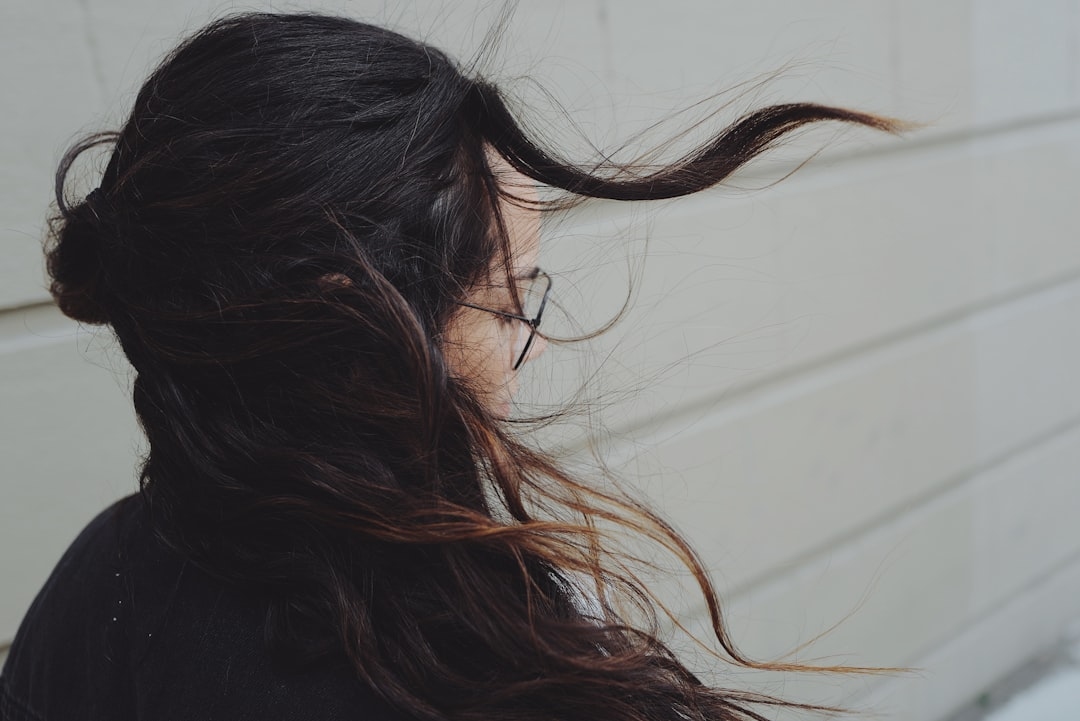
Work with your hair, not against it. If your hair is naturally curly, don’t choose a style that requires daily straightening. If your hair is fine and sparse, don’t opt for a cut that depends on density to look good. Ask your stylist which styles would suit your natural texture when it’s simply air-dried or given basic styling.
Products matter here too. Curly hair needs leave-in conditioner and curl-defining cream (budget £8-£15 total). Straight hair needs lightweight conditioner and perhaps a texturising spray (budget £5-£10). Fine hair needs volumising shampoo and mousse (budget £6-£12). The right products for your hair type cost less than fighting against your natural texture.
Realistic Maintenance Commitment
Be brutally honest. How much time do you actually spend on your hair daily? Can you realistically blow-dry for 15 minutes, or will you find excuses to skip it? Are you willing to visit a salon every 6 weeks, or is every 10-12 weeks more realistic?
Your answers determine viable options. If you have 5 minutes daily and visit a salon twice yearly: layered cuts, face-framing waves, braids, or low-maintenance updos work. If you have 15-20 minutes daily and visit every 4-6 weeks: blunt bobs, sleek styles, and intricate braids become possible. Match the style to your actual behaviour, not your aspirational behaviour.
Budget Breakdown for Long Hair Styling
Understanding costs helps you choose styles that fit your budget:
- Annual salon costs: Trims every 8-12 weeks at £25-£50 = £100-£300 yearly
- Professional styling for events: £20-£40 per occasion (budget £50-£100 yearly if you attend 2-3 events)
- Basic hair care products: Shampoo, conditioner, one styling product = £10-£20 monthly = £120-£240 yearly
- Occasional treatments (masks, oils): £15-£30 monthly if desired = £180-£360 yearly
- One-time tool investment (blow-dryer, curling wand, etc.): £30-£80 spread across multiple years
Total realistic annual budget: £320-£920 depending on choices. This assumes no expensive treatments or colour, which many people skip to save money (opting instead for natural colour or visiting training salons for colour services at half-price).
Regional Styling Preferences Across the UK
Hairstyle popularity varies across the UK due to climate, cultural influences, and fashion epicentres.
Southeast and London: Sleek, polished styles dominate. Blunt bobs, face-framing waves with precision, and controlled updos align with contemporary fashion. Salons charge premium prices (£50-£100+ for cuts) but offer trend-forward expertise. Braids appear primarily during festival season.
Northeast and Scotland: Practical, weather-resistant styles prevail. Layered cuts that manage moisture, textured braids, and slightly undone updos suit the climate. Salons offer good value (£30-£60 for cuts). Hair trends follow London with a 3-6 month delay, giving you time to observe what works before committing.
Midlands and Wales: A balanced mix of influences. Both polished and relaxed styles appear equally. Salon prices sit mid-range (£35-£70). Regional stylists often specialise in working with specific hair types prevalent in their area.
South Coast and Southwest: Relaxed, romantic styles suit the region’s aesthetic. Soft waves, effortlessly styled updos, and loose braids appear frequently. Salons tend toward independent practitioners rather than large chains, offering personalised service at competitive prices (£30-£60).
West Coast and rural areas: Practical, low-maintenance styles dominate due to limited salon access. Layered cuts, braids, and simple styling reign. When people do invest in salon visits, they’re typically more substantial (every 3-4 months rather than 6 weeks), so they choose styles that grow out gracefully.
Maintenance Tips for Long Hair Health
Keeping long hair beautiful requires consistent care, but it needn’t be expensive.
Monthly Maintenance
Once monthly, deep-condition your hair. You can use a commercial mask (£5-£15) or make your own with coconut oil (£3-£5) and honey. Apply from mid-length to ends, leave for 20 minutes, and rinse. This single step prevents dryness and split ends more effectively than expensive treatments.
Trim Schedule
Visit a salon every 8-12 weeks for a £20-£40 trim. This prevents split ends from travelling up the hair shaft and requiring major length removal later. Training salons (where student stylists work under supervision) offer cuts at £10-£25, making regular maintenance genuinely affordable.
Daily Care
Use a microfibre hair towel or cotton t-shirt instead of regular towels to reduce friction and breakage (£3-£8, reusable for years). Brush gently from ends upward rather than from roots down. Sleep on a silk or satin pillowcase (£8-£15) or in braids to reduce friction damage.
Product Selection
You need only four products: shampoo (£4-£8), conditioner (£4-£8), one styling product matched to your hair type (£5-£10), and optionally a weekly treatment (£5-£15). Mid-range brands perform as well as luxury versions for most people. Boots own-brand, Superdrug B. range, and supermarket brands like Asda’s offer excellent value.
Seasonal Styling Adjustments
Long hair responds to seasonal changes, and smart styling accounts for this.
Summer: Humidity increases curl and frizz. Embrace waves rather than fighting them, or invest in an anti-frizz serum (£6-£12). Braids and updos keep hair off your neck and protected from sun damage. If your hair lightens in sun, embrace the subtle highlights or use a UV protection spray (£5-£10).
Winter: Static and dryness increase. Use moisturising conditioner and a leave-in conditioner spray (£6-£10). Dry hair with a diffuser to reduce frizz. Sleep in braids to maintain moisture and protect from friction against pillows.
Spring and Autumn: Unpredictable weather makes versatile styles valuable. Styles that work both wet and dry—loose waves, textured braids, soft updos—shine during transitional seasons.
FAQ: Your Long Hair Styling Questions Answered
What’s the cheapest way to maintain long hair?
Layered cuts (trim every 10-12 weeks at £25-£35) paired with simple braiding styles and basic drugstore products (£10-£15 monthly). Annual cost: approximately £300-£350. Skip professional styling for events unless essential, and learn basic updo techniques yourself.
How often should I trim long hair to keep it healthy?
Every 8-12 weeks for a £15-£40 trim removes damaged ends before split ends travel up the hair shaft. If you have healthy hair and minimal damage, trimming every 10-12 weeks at the longer end works. If you style with heat regularly or experience lots of breakage, every 8 weeks is wiser. Even small 1-2cm trims prevent major length loss later.
Which hairstyle requires the least daily styling?
Layered cuts with your natural texture require minimal intervention—perhaps 5 minutes with a brush and maybe dry shampoo if second-day hair. Braided styles also require minimal daily work once styled. Avoid blunt bobs and straight styles if you want a low-maintenance cut; these show every styling day awkwardly.
Can I achieve salon-quality waves at home for long hair?
Yes. Invest in a decent curling wand (£20-£40) and learn proper technique through YouTube tutorials (free). The key is barrel size (match to your desired wave size—typically 1-2 inches), heat setting (medium heat, not maximum), and practising on sections. Most people create acceptable waves within 5-10 attempts. A professional blow-out (£30-£50) teaches you techniques that transfer to home styling.
What’s the best budget-friendly alternative to expensive salon treatments?
DIY deep conditioning with coconut oil or argan oil (£3-£8 per bottle, lasts 2-3 months) works nearly as well as £20+ salon masks. For colour, try semi-permanent dye at home (£4-£10) rather than salon colour (£40-£100), or embrace your natural colour. For volume, teasing gently at roots with a fine-tooth comb (£1-£3) beats expensive volumising treatments.
The Path Forward: Your Long Hair Styling Strategy
Your best hairstyle awaits, and you don’t need to spend a fortune to find it. The most important step is honest self-assessment: understand your face shape, hair texture, and realistic daily commitment. Visit a stylist willing to recommend a cut that suits these factors rather than selling you the trendiest style.
Start with a low-cost investment. A good £30-£40 layered cut that you can maintain at home with basic products is better than a £100 blunt bob you can’t afford to maintain. Once you understand what works, you can invest in occasional professional services or tools that expand your options.
Remember that long hair itself is valuable. It offers styling versatility that shorter hair cannot match. The styles that look effortlessly beautiful—soft waves, romantic updos, practical braids—actually require less maintenance and products than many shorter styles. Your length is already working in your favour.
Approach this with experimentation and patience. Try new braiding techniques. Test different products. Observe which styles you actually wear repeatedly versus which you admire online but never actually style. Let your lived experience guide your choices more than trendy inspiration boards.