Contents:
- Understanding Why Shower Drains Get Blocked by Hair
- Tools and Materials You’ll Need
- Method 1: The Manual Hair Removal Approach
- Method 2: The Plunger Technique
- Method 3: Baking Soda and Vinegar Solution
- Method 4: The Wet/Dry Vacuum Solution
- Prevention: Stopping Future Hair Blockages
- When to Call a Professional Plumber
- Seasonal Timing and Your Drain Maintenance Calendar
- Common Mistakes That Make Hair Blockages Worse
- Quick Troubleshooting: Is It Actually Hair?
- Frequently Asked Questions
- How long does it take to unblock a shower drain with hair?
- Can I use a standard coat hanger to create a drain snake?
- Is it safe to use a plunger on a shower drain with an overflow hole?
- What’s the difference between a drain blockage and a slow drain?
- Should I call a plumber for a hair blockage?
- Taking Action Today
Victorians might have been horrified by the sheer volume of hair that modern plumbing has to contend with. Back in those grand bathing days, hair was more carefully managed before water ever touched it. Today, however, millions of British households battle the same predicament: a shower drain blocked by hair. It’s one of the most common plumbing nuisances, yet it’s surprisingly manageable when you know what you’re doing.
A blocked shower drain is typically far more fixable than it appears. The good news? Most hair blockages don’t require expensive plumber call-outs. With the right approach, you can clear your drain in under an hour and prevent future clogs from strangling your shower’s drainage entirely.
Understanding Why Shower Drains Get Blocked by Hair
Hair doesn’t actually dissolve in water. Unlike other debris that eventually breaks down or washes through, human hair is designed to resist decay. When it falls into your drain, it combines with soap scum, dead skin cells, and product residue to form a dense, matted blockage. Over time, this tangle builds into a serious obstruction.
The average person sheds 50 to 100 hairs per day. In a household of four people, that’s potentially 200 to 400 hairs daily entering your drainage system. After just two weeks, you could have 2,800 to 5,600 hairs accumulating in your pipes. Add longer hair to the picture—say shoulder-length or beyond—and the problem escalates quickly.
Most blockages form within the first metre of your drain, right beneath the shower tray. This is where water flow slows considerably, allowing debris to settle and intertwine. The blockage rarely extends far into the main soil pipe unless the problem has been ignored for months.
Tools and Materials You’ll Need
Before you start, gather these items:
- A wet/dry vacuum (optional but effective)
- A plunger (specifically a cup plunger, not a flange type)
- A wire drain snake or unwound coat hanger
- Rubber gloves and eye protection
- A bucket for water
- Boiling water and baking soda
- White vinegar (optional)
- A torch or headlamp for visibility
Most of these items cost less than £15 combined. A basic plunger is typically £3 to £8. A wire snake runs £4 to £10. If you don’t own a wet/dry vacuum, hiring one from a local tool rental shop costs around £15 to £20 per day.
Method 1: The Manual Hair Removal Approach
This is often the quickest fix for fresh blockages. Start by removing the drain cover or grill. Most shower drains have either a screw-on cover or a simple metal grate. Once it’s off, shine your torch into the drain opening. You’ll likely see a tangled mass of hair and debris right there.
Put on your rubber gloves and grab what you can with your fingers. Yes, it’s unpleasant, but this is genuinely effective. Pull out the visible blockage gently—aggressive yanking can sometimes push the tangle deeper. Dispose of the hair in your bin, not down the toilet (you don’t want to transfer the problem).
Use your wire snake or straightened coat hanger to probe deeper. Push it slowly down the drain, twisting gently as you go. You’ll feel resistance when you hit the blockage. Work the wire around the edges of the tangle, trying to break it apart without forcing it through. After several minutes of gentle probing, pull the wire back up slowly. Hair and debris will come with it.
Repeat this process two or three times until the wire goes deeper without hitting significant resistance. This method works best when the blockage is fresh and hasn’t solidified with soap scum.
Method 2: The Plunger Technique
If manual removal doesn’t fully clear the drain, a plunger often succeeds where fingers fail. Fill your shower tray or bathtub with about 10 centimetres of water—enough to create a seal around the plunger cup. Position the plunger directly over the drain and push down firmly, then pull up quickly. The pressure differential forces water and debris through the blockage.
Repeat this action 15 to 20 times in rapid succession. You should feel the resistance decrease as the blockage loosens. Continue until water drains freely or you’ve completed 30 plunges without improvement. A good cup plunger creates better seal than most people realise; the key is proper positioning and consistent pressure.
This method often works best in spring and autumn when you’ve just done a major bathroom clean and dislodged a significant hair ball but haven’t yet accumulated months of buildup.
Method 3: Baking Soda and Vinegar Solution
After physically removing as much hair as you can, use this chemical approach to break down remaining soap residue and minor blockages. Pour 200 grams of baking soda directly down the drain, followed by 250 millilitres of white vinegar. The mixture will fizz vigorously—this is the reaction you want.
Cover the drain with a wet cloth and let it sit for 30 minutes. The fizzing action helps dislodge remaining debris. After 30 minutes, pour a kettle of boiling water down the drain to flush away the loosened material.
This approach is safer than commercial chemical drain cleaners and works well for soap scum combined with hair. It won’t shift a completely blocked drain on its own, but it’s excellent as a follow-up after you’ve removed the main hair tangle.
Method 4: The Wet/Dry Vacuum Solution
If you have access to a wet/dry vacuum, this is surprisingly effective. Set the vacuum to wet mode and place the nozzle over the drain opening, creating as tight a seal as possible. The suction can pull out stubborn blockages that other methods miss.
Start with medium suction for 10 to 15 seconds. If that doesn’t work, increase to full power for another 10 to 15 seconds. You may hear or feel the blockage shifting as the vacuum works. This method is particularly useful when the blockage has firmed up over several weeks.
The advantage here is that you can see and inspect exactly what came out of the drain. It’s not pleasant, but visibility confirms you’ve actually solved the problem.
Prevention: Stopping Future Hair Blockages
A drain blockage isn’t a one-off event—it’s a recurring challenge in any household. Prevention is genuinely more cost-effective than repeatedly clearing the drain.
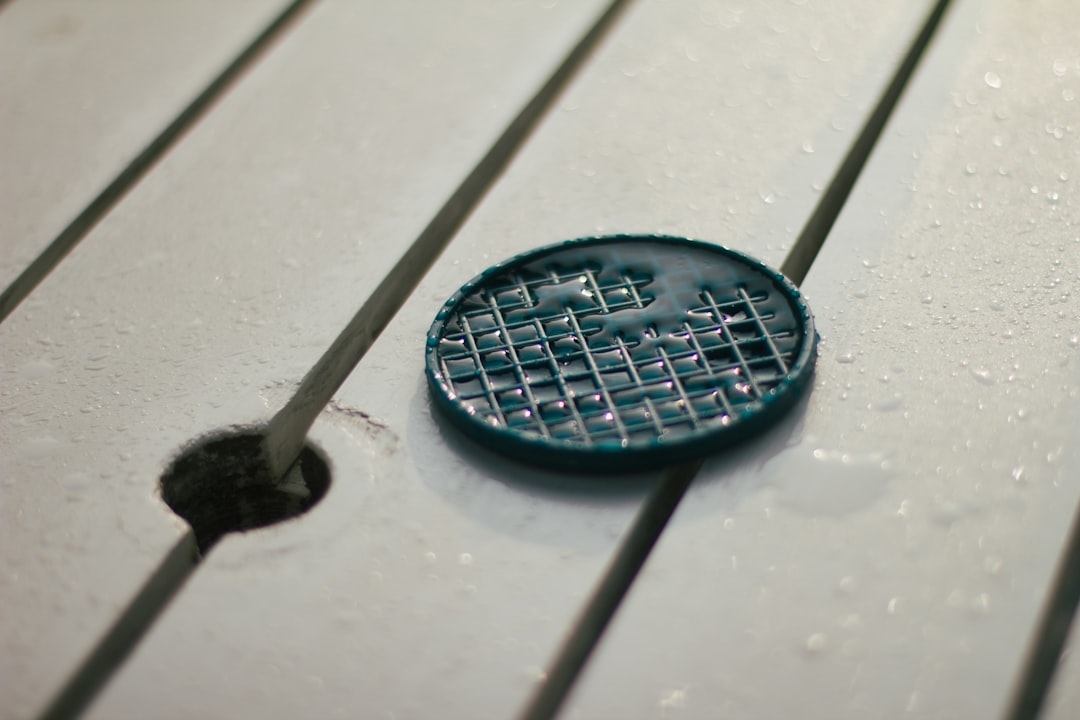
Install a drain strainer or hair catcher over your drain opening. These cost between £2 and £8 and catch hair before it enters the pipes. You simply empty the strainer after each shower or every few days, depending on hair length and shedding rate.
Consider using a drain protector plug, which creates a complete seal. Some designs include small holes that allow water through while trapping hair on the surface. Popular brands cost £5 to £15.
Brush your hair thoroughly before showering, especially if you have long hair. This removes 30 to 50 loose hairs that would otherwise end up in the drain. It takes two minutes and dramatically reduces blockage frequency.
Once monthly, flush your drain with boiling water and baking soda as a maintenance step. This prevents the gradual buildup that eventually causes major blockages. Schedule this for the first Sunday of each month—it only takes 10 minutes and costs essentially nothing.
When to Call a Professional Plumber

Some situations genuinely require professional help. If you’ve tried all the above methods and water still drains sluggishly or not at all, a blockage probably extends beyond your accessible drain section. If you hear gurgling from other drains or notice water backing up into your toilet, the problem may be in the main soil pipe.
A professional plumber can use a motorised drain snake, which costs £100 to £200 for a call-out. They can also use CCTV drain inspection to identify exactly where blockages are located, costing around £150 to £300. For severely blocked drains requiring excavation, costs rise to £400 or more.
If you rent your property, contact your landlord or managing agent before attempting any repairs. Many tenancy agreements specify that drainage issues should be handled by professional plumbers to avoid liability disputes.
Seasonal Timing and Your Drain Maintenance Calendar
Hair blockages aren’t evenly distributed through the year. In late autumn and winter (September through February), you’ll experience more blockages because people shower longer in colder weather. Long showers mean more water flow and more opportunity for hair to accumulate and tangle.
Spring is peak blockage season for another reason: spring cleaning. Washing winter bedding, cleaning thoroughly, and just generally being more active around the home means more showers and more hair loss. March through May sees a spike in drain emergencies across the UK.
Summer months (June through August) typically see fewer blockage problems because showers are quicker—people cool down and get out. Plan your preventive drain maintenance for late August to prepare for autumn, and again in late February to head off spring problems.
Common Mistakes That Make Hair Blockages Worse
Many people worsen their situation by forcing things down the drain rather than removing them. If your snake hits resistance, don’t force it further—you might push the blockage deeper or damage your pipes. The right approach is gentle, repeated attempts rather than aggressive jabbing.
Don’t pour chemical drain cleaners into a drain already clogged with hair. These substances don’t break down hair effectively. They can create a toxic sludge that’s even harder to remove and dangerous to you if the mixture splashes.
Avoid pouring grease or oil down your shower drain thinking it’s a liquid and will just wash away. It cools and solidifies, creating a perfect medium for hair to stick to. Keep oils, lotions, and conditioners off your drain.
Never ignore a slow drain. A drain that takes 30 seconds longer than normal to empty is showing early warning signs. Address it immediately with baking soda and boiling water before hair has a chance to completely clog the system.
Quick Troubleshooting: Is It Actually Hair?
Sometimes what feels like a hair blockage is actually something else. If manual removal and plunging don’t help, your blockage might be mineral buildup from hard water, a collapsed pipe section, or something lodged in the bend beneath your tray.
Hard water creates mineral scale that narrows pipes over time. You’ll notice water draining slowly everywhere in your home, not just the shower. A plumber using a water softening system or descaling solution can address this, costing £200 to £400.
If you hear odd noises—gurgling, whistling—or notice smells coming from the drain, the problem might be a vent pipe issue rather than a blockage. These require professional diagnosis.
Frequently Asked Questions
How long does it take to unblock a shower drain with hair?
Manual removal typically takes 15 to 30 minutes. If plunging becomes necessary, add another 20 minutes. The baking soda and vinegar method requires 30 minutes of soaking. Most hair blockages are fully cleared within an hour of starting.
Can I use a standard coat hanger to create a drain snake?
Yes, absolutely. Unwind a metal coat hanger and create a small hook at one end. It works nearly as well as a purpose-made snake for hair removal. Avoid plastic hangers, which will bend uselessly.
Is it safe to use a plunger on a shower drain with an overflow hole?
Modern showers have overflow holes that prevent water backing up. When plunging, you should block this overflow hole with a wet cloth to maintain suction. This ensures the plunging action pushes water and debris down rather than escaping through the overflow.
What’s the difference between a drain blockage and a slow drain?
A blockage typically stops water from draining at all or creates standing water. A slow drain takes noticeably longer but water eventually drains. Slow drains respond well to preventive baking soda treatments. Complete blockages usually need physical removal.
Should I call a plumber for a hair blockage?
Only if you’ve tried the methods above without success, or if multiple drains in your home are affected. A single shower drain that responds to manual removal or plunging doesn’t typically justify the £100+ cost of a plumber. Save professional calls for persistent problems.
Taking Action Today
Hair blockages are manageable problems with straightforward solutions. Start with manual removal—it’s faster and cheaper than any other approach. If that doesn’t fully resolve the issue, move to plunging, then try the baking soda method. Most blockages clear with one of these three techniques.
More importantly, implement one simple prevention habit: use a drain strainer. This £5 investment prevents 80 to 90 percent of hair blockages from forming in the first place. Combined with monthly baking soda flushing and quick hair brushing before showers, you’ll rarely face another blockage emergency.
Your shower should drain freely every time you use it. If it’s not, you now have the knowledge and techniques to fix it yourself—no plumber, no expensive tools, no waiting for appointments.