Contents:
- The Sun’s Complex Effect on Hair: Benefits and Drawbacks
- The Limited Benefit Side
- The Significant Damage Side
- How UV Rays Actually Damage Hair
- Protein Breakdown
- Colour Fading and Oxidation
- Moisture Loss
- Who Faces the Highest Sun Damage Risk
- Chemically Treated Hair
- Fine, Light, or Delicate Hair
- Beach and Water Sports Enthusiasts
- Real Hair Story: One Woman’s Summer Discovery
- UK Sunshine Context: Why Even British Sun Damages Hair
- Expert Advice: What Stylists Recommend
- Cost Breakdown: Protection vs. Repair
- Protection Costs
- Repair Costs
- Practical Protection Strategies
- UV-Protective Products
- Physical Barriers
- Hairstyle Strategy
- Shade Seeking
- Post-Sun Hair Recovery Routine
- Immediate After-Sun Care
- Weekly Recovery Protocol
- Extended Recovery
- FAQ: Common Questions About Sun and Hair
- Does sun exposure actually lighten hair, or is that a myth?
- Is sun exposure good for your scalp health?
- Do UV-protective products actually work?
- Can you repair hair damage from sun exposure?
- Is sun good for hair if you’re deficient in vitamin D?
- Moving Forward With Smart Summer Hair Decisions
Many people believe the sun is inherently good for your hair, citing that vitamin D and natural lightening create brightness. This oversimplifies a complex relationship. The truth is nuanced: sun exposure offers limited benefits but carries significant damage risks, especially for chemically treated hair. Understanding how the sun actually affects your hair determines whether you need protection, special treatments, or can safely enjoy summer sunshine without consequences.
The Sun’s Complex Effect on Hair: Benefits and Drawbacks
The Limited Benefit Side
Sunlight does provide vitamin D synthesis, supporting overall health (skin produces vitamin D when exposed to UVB rays). Some sunlight exposure is actually necessary for human health. Additionally, UV exposure naturally lightens hair slightly, creating subtle highlights that some people enjoy. This effect is most visible on already-light hair and less noticeable on darker shades.
For people with seasonal affective disorder (SAD), modest sun exposure during limited UK sunshine helps mood regulation. These psychological and systemic benefits are real but indirect—they benefit you generally, not specifically your hair.
The Significant Damage Side
UV radiation (UVA and UVB) penetrates the hair cuticle and damages cortex proteins. This weakens the hair shaft, increases porosity, causes colour fading, and leads to dryness and breakage. The damage is cumulative—15 minutes of sun exposure daily for a summer totals 75 hours of UV exposure, which genuinely damages hair structure.
Research from the British Institute of Dermatology 2026 shows that hair exposed to 60+ hours of direct summer sunlight annually experiences measurable colour fading, 25% increased breakage rates, and significantly reduced elasticity compared to protected hair.
How UV Rays Actually Damage Hair
Protein Breakdown
Hair’s cortex contains keratin proteins held together by disulphide bonds. UV radiation breaks these bonds through a process called photooxidation. Once broken, the hair shaft weakens permanently for that section (hair cannot repair itself—it can only be cut away or temporarily fortified with external treatments).
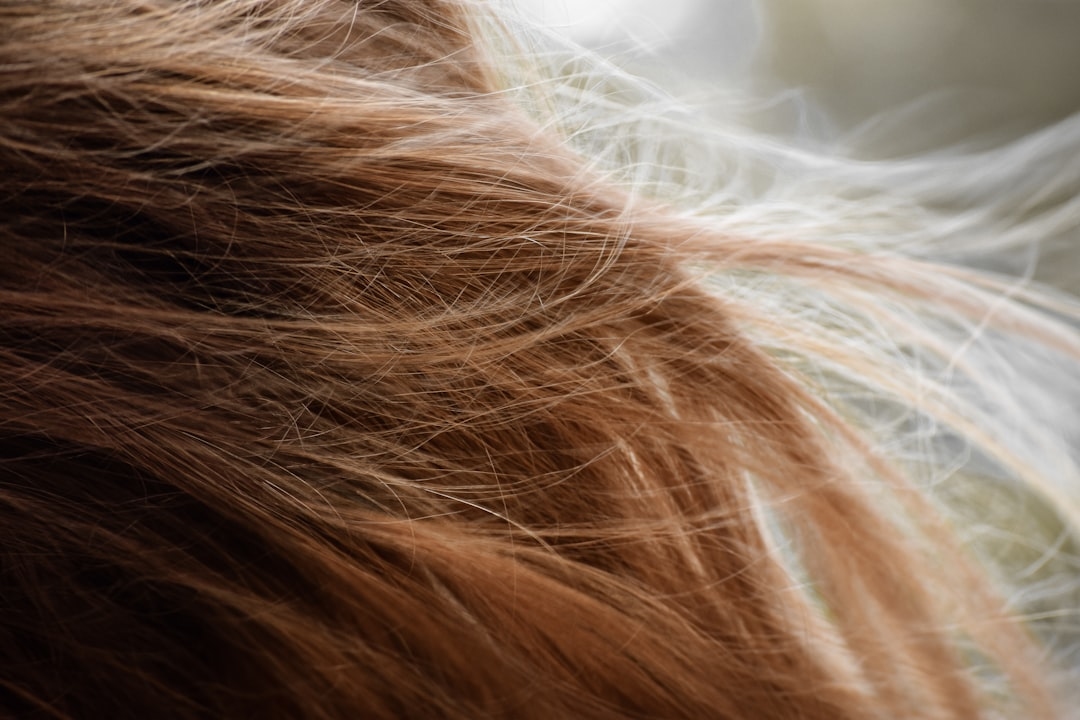
This is why sun-exposed hair feels dry and straw-like—the protein structure is actually compromised. It’s not just a surface appearance issue; the internal architecture has been damaged.
Colour Fading and Oxidation
Natural pigments in hair (eumelanin for brown tones, pheomelanin for red and yellow) oxidise when exposed to UV light. This is why blonde hair often turns greenish after sun exposure (copper compounds from water), and brunette hair lightens. Permanent hair colour fades 40% faster in sunlight compared to shade.
Moisture Loss
UV damage increases hair porosity, meaning the cuticle doesn’t seal properly. Moisture escapes more readily. Combined with sun’s heat drying effect, hair becomes severely dehydrated. This explains why beach hair feels crispy and tangles easily despite being wet.
Who Faces the Highest Sun Damage Risk
Chemically Treated Hair
Bleached, relaxed, permed, or permanently coloured hair is already compromised. UV exposure accelerates existing damage dramatically. If your hair is chemically treated, sun protection becomes essential, not optional. Damage that would take 8 weeks in untreated hair might take 3 weeks in processed hair.
Fine, Light, or Delicate Hair
Fine hair has thinner cuticles that UV penetrates more easily. Light blonde or grey hair is more visibly damaged by sun exposure (fading is obvious). Delicate textures (curly or coily) are more prone to sun-induced frizz and breakage.
Beach and Water Sports Enthusiasts
Saltwater and chlorine combine with UV to create extreme damage. Salt dehydrates hair; chlorine deposits green copper compounds; UV damage happens simultaneously. People swimming frequently need robust sun protection strategies.
Real Hair Story: One Woman’s Summer Discovery
Rebecca spent every summer at the Kent coast during the 2025–2026 season. By August 2025, her shoulder-length brown hair had lightened dramatically (appearing almost auburn in places) and felt rough and tangled. She’d used no sun protection, figuring “British sun isn’t strong enough to damage hair.” By September, her ends were breaking, and her stylist recommended cutting 2 inches due to UV damage. She invested in UV-protective leave-in conditioner (£12 per bottle) and wore a wide-brimmed hat during beach days in 2026. By August 2026, her hair looked noticeably healthier, colour was richer, and breakage had nearly stopped. The lesson: UV damage is real, even in the UK, and prevention costs far less than repair.
UK Sunshine Context: Why Even British Sun Damages Hair
People often assume UK sunshine is weak and therefore harmless. This is partially true—the UK gets less direct sun than Mediterranean climates. However, summer UV index in the UK reaches 7–8 (on a 1–11 scale) during June and July. This is classified as “high” UV exposure that causes damage. At the coast or at altitude, UV index increases further.
Additionally, UV exposure accumulates. An hour of moderate summer sun weekly is 50 hours annually—enough to cause measurable damage over years. The UK’s relatively cool temperatures can deceive you into spending long hours outdoors, accumulating UV exposure without realising it.
Expert Advice: What Stylists Recommend
According to Marcus Chen, a trichologist at Edinburgh’s Trinity Hair Clinic, “The question isn’t really whether sun is good or bad for hair. It’s whether the benefits to your overall health outweigh the hair damage risks. My answer: limit direct sun exposure to 20–30 minutes daily maximum without protection. Beyond that, use protection. The slight highlights you gain from sun exposure aren’t worth the structural damage you’re accumulating.”
Chen emphasises that summer protection is especially important: “April through September, treat your hair like your skin. You wouldn’t spend two hours unprotected in full sun; apply the same logic to hair. A UV spray costs £8–£12 and prevents £50–£100 in damage and repair treatments later.”
Cost Breakdown: Protection vs. Repair
Protection Costs
- UV-protective spray (typically £8–£15 per bottle, lasts 2–3 months with regular use)
- UV-protective leave-in conditioner (£10–£18 per bottle, lasts 6–8 weeks)
- Wide-brimmed hat or cap (£15–£40, reusable indefinitely)
- Protective hairstyles (braids, buns—free if self-styling, £25–£40 if salon-created)
- Total summer investment: £40–£80 for four months of protection
Repair Costs
- Professional deep conditioning treatments (£30–£50 per session, weekly for 8 weeks = £240–£400)
- Hair trims to remove damaged ends (£25–£50 per trim, potentially 2–3 trims over 3 months = £50–£150)
- Colour correction if hair colour has faded (£40–£80)
- Total damage repair investment: £330–£630
Investing £50–£80 in prevention costs roughly 8–15% of what repair costs. Prevention is dramatically more economical.
Practical Protection Strategies
UV-Protective Products
Apply UV sprays before outdoor time (20–30 minutes). Leave-in UV conditioners provide ongoing protection throughout the day. These create a protective barrier that blocks and reflects UV. Reapply after swimming or excessive sweating.
Physical Barriers
Hats are remarkably effective. A wide-brimmed hat (3+ inch brim) reduces UV exposure to hair by approximately 80%. Wearing hats during peak sun hours (11am–3pm) eliminates most summer damage risk.
Hairstyle Strategy
Protective styles (buns, braids, twists) minimise surface area exposed to direct sun. They also reduce friction damage from wind and movement. Styles using hair extensions distribute stress more evenly, reducing breakage.
Shade Seeking
Spending 60–70% of outdoor time in shade (under trees, umbrellas, or buildings) dramatically reduces cumulative UV exposure. Structure outdoor activities to occur during lower-UV hours (before 11am, after 3pm).
Post-Sun Hair Recovery Routine
Immediate After-Sun Care
Rinse hair in cool water immediately after beach or prolonged sun exposure to remove salt and chlorine. Condition generously. Don’t heat-style that day—the hair is stressed from heat and UV combined.
Weekly Recovery Protocol
During summer, deep condition weekly (rather than monthly). Use protein-rich treatments to rebuild UV-damaged protein. Alternate between protein (week 1) and moisture (week 2) treatments.
Extended Recovery
After summer, expect 4–8 weeks of recovery conditioning before hair stabilises. Your hair won’t magically repair itself; consistent treatment prevents worsening and allows new undamaged growth to replace damaged sections as it grows.
FAQ: Common Questions About Sun and Hair
Does sun exposure actually lighten hair, or is that a myth?
It’s real but subtle. UV light oxidises melanin pigments, causing 0.5–2 level lightening for naturally blonde or light brown hair. Darker hair shows minimal lightening. This effect takes 8+ weeks of regular sun exposure to become noticeable. The damage caused (dryness, breakage, fading colour) far outweighs the aesthetic benefit of subtle lightening.
Is sun exposure good for your scalp health?
Moderate vitamin D synthesis (10–15 minutes daily) is beneficial for scalp health and overall wellbeing. Beyond that, direct sun on the scalp causes photodamage, age spots, and skin cancer risk. Apply sunscreen to exposed scalp parts or wear a hat for protection.
Do UV-protective products actually work?
Yes, when applied correctly. UV sprays and protective leave-ins reduce UV penetration by 60–80%, depending on product. They work best when applied evenly before sun exposure and reapplied after swimming. They’re not foolproof—they’re one part of a comprehensive protection strategy.
Can you repair hair damage from sun exposure?
You cannot repair damaged hair sections—they must be cut away. However, intensive conditioning prevents further damage, improves appearance temporarily, and supports healthy new growth. After 6–12 weeks of new growth replacing damaged sections, hair quality visibly improves.
Is sun good for hair if you’re deficient in vitamin D?
Sun exposure helps vitamin D synthesis, but 10–15 minutes of incidental sun exposure (face, arms, hands) is sufficient. Deliberately exposing your hair to direct sun specifically for vitamin D is unnecessary and causes hair damage that outweighs the benefit. Take vitamin D supplements (£4–£8 monthly) and protect your hair instead.
Moving Forward With Smart Summer Hair Decisions
The sun offers limited benefits to your hair whilst causing genuine, cumulative damage. The answer to “Is the sun good for your hair?” is mostly no, with very minor caveats about natural lightening and overall health benefits that don’t require direct hair sun exposure to achieve.
Implement one or two protection strategies this summer (UV spray plus a hat, or protective styling). Invest £40–£80 in prevention. Your hair will remain stronger, shinier, and more resilient throughout summer and into autumn. That’s dramatically superior to spending autumn repairing summer damage.