Contents:
- Quick Answer Box
- Understanding What “Damaged Hair” Actually Means
- Cuticle Damage
- Cortex Damage
- True Split Ends
- How to Assess If Your Damage Is Repairable
- The Stretch Test
- The Wet Test
- The Split End Inspection
- Intensive Conditioning Treatments
- Protein-Based Treatments
- Moisture-Based Treatments
- What the Professionals Know
- Heat Damage Recovery Strategies
- Eliminate Heat Styling Temporarily
- When Heat Returns: Use Protective Products
- Reduce Heat Temperature
- Common Mistakes That Worsen Damage
- Overwashing
- Using Hot Water for Washing
- Brushing While Wet
- Sleeping on Cotton Pillowcases
- Prevention: Stop New Damage From Accumulating
- Trim Problem Ends Only
- Minimise Chemical Treatments
- Use Protective Styles
- Timeline: How Long Restoration Takes
- Cost Analysis: Repair vs. Cutting
- When Cutting Is Actually Necessary
- FAQ Section
- Can damaged hair be completely repaired without cutting?
- How often should I deep condition damaged hair?
- Is expensive conditioner better than cheap conditioner?
- Can coconut oil repair damaged hair?
- How do I know if my hair is damaged or just dry?
Your hair is damaged—dry, brittle, frizzy, or breaking. The usual advice is to trim regularly, but you’re attached to your length. You want to know if it’s possible to restore damaged hair without losing inches. The answer is nuanced: you can improve damaged hair dramatically without cutting, but understanding the limitations is crucial. Some damage is genuinely irreversible, but most damage can be managed, restored, and prevented from worsening.
Quick Answer Box
Can I fix damaged hair without cutting it? Yes. You can improve moisture, reduce breakage, restore shine, and reverse some damage through intensive conditioning, minimising heat damage, and using protective products. However, true split ends cannot be repaired—they require cutting. Most damage short of complete split ends can be improved without scissors.
Understanding What “Damaged Hair” Actually Means
Hair damage isn’t one monolithic thing. Different types of damage require different solutions. Understanding your specific damage type tells you whether trimming is necessary or if home care can restore it.
Cuticle Damage
The outer cuticle layer is like roof shingles covering the hair shaft. When lifted or cracked, it exposes the cortex underneath, allowing moisture to escape. Signs: dull appearance, frizz, tangles, brittleness. This is often reversible through conditioning and cuticle-sealing treatments.
Cortex Damage
The cortex is the protein-rich middle layer. Damage here weakens the hair structurally. Signs: breakage, extreme brittleness, loss of elasticity. This is partially reversible through protein treatments but often requires trimming worst-affected areas.
True Split Ends
The hair shaft physically splits into separate strands at the tip. Once split, there’s no gluing them back together. Treatments can temporarily smooth the appearance, but the split remains. Trimming is the only true solution for split ends. However, you don’t need to cut if your hair isn’t actually split—many damaged-looking ends are merely dry cuticle, not true splits.
How to Assess If Your Damage Is Repairable
The Stretch Test
Gently stretch a strand of dry hair. Healthy hair stretches slightly and springs back. Damaged hair either doesn’t stretch (too brittle) or stretches and doesn’t snap back (permanently stretched). Severely damaged hair breaks during stretching. If your hair stretches and breaks easily, structural damage is significant. If it stretches and recovers, damage is primarily cuticle-level.
The Wet Test
Wet a strand and examine closely. Smooth, flat cuticles appear shiny. Lifted, damaged cuticles appear dull and rough. If wetted hair looks considerably shinier than dry, your damage is cuticle-level (reversible with conditioning). If wet hair still looks dull, cortex damage is present.
The Split End Inspection
Hold the last inch of your hair to the light. Truly split ends look like actual splits—the strand separates into 2-3 thin strands at the tip. Damaged-but-not-split ends look jagged or rough but remain unified. True splits require cutting; rough but unified ends can often be restored.
Intensive Conditioning Treatments
This is your first line of repair. Intensive conditioning rebuilds the cuticle, restores moisture, and improves protein balance.
Protein-Based Treatments
Hair is made of keratin protein. Hydrolysed proteins (keratin, collagen, wheat protein) in treatments temporarily fill microscopic gaps in damaged cuticles. They don’t permanently repair, but they restore functionality and appearance.
- Olaplex-style protein treatments: £25-40, rebuild chemical bonds in damaged hair. Applied at home, work over 2-3 treatments
- Deep conditioning masks: £6-15, weekly treatments with protein and moisture. Drugstore options work well (Schwarzkopf, Pantene, Garnier available in Boots)
- Leave-in protein sprays: £8-12, lightweight protein applied daily to ends. Less intensive but convenient for maintenance
Use protein treatments 1-2 times weekly for 4 weeks, then switch to maintenance (every 2-3 weeks). Overusing protein treatments can make hair stiff and brittle—balance with moisture.
Moisture-Based Treatments
Glycerin, humectants, and oils restore moisture to parched hair. Use alongside protein treatments to create balance.
- Hair oils: Coconut, argan, jojoba oils seal the cuticle and restore moisture. Apply to ends 1-2 times weekly. Costs £5-20 depending on quality
- Hydrating masks: Leave-on overnight treatments rebuild moisture balance. Drugstore options (Cantu, SheaMoisture, Carol’s Daughter) cost £7-15
- Hydrating conditioners: Use in place of regular conditioner, targeting damaged sections. Apply 1-2 minutes longer than regular conditioner
One reader shares: “My hair was extremely damaged from years of bleaching. I used weekly protein treatments for 6 weeks combined with nightly oil applications. The transformation wasn’t instant, but by week 4, my hair looked visibly healthier—shinier, less frizzy, softer. I kept the length, and it genuinely looked repaired.”
What the Professionals Know
Pro Tip: Professionals often recommend regular trims not because the hair is irreparable, but because damaged ends become more damaged over time. If you want to keep length, commit to intensive conditioning (weekly treatments) and absolutely minimal heat styling. This slows further damage progression and allows newer, healthier hair growth to become a larger proportion of your total hair.
Heat Damage Recovery Strategies
Eliminate Heat Styling Temporarily
Stop blow drying, straightening, and curling for 2-4 weeks. Let your hair air-dry completely. This removes the ongoing damage mechanism. You’ll be surprised how much your hair improves when heat stops.
After 2-4 weeks of heat-free styling, your hair’s natural texture returns, frizz often resolves, and breakage decreases. This is your baseline—the true state of your damaged hair without additional heat trauma.
When Heat Returns: Use Protective Products
Once you resume heat styling, use heat protectants religiously. These products create a temporary barrier, reducing heat penetration. Applied to damp hair before blow drying, they genuinely reduce heat damage by 30-50%.
Quality heat protectants cost £6-15 (Cantu, SheaMoisture, Umberto Giannini available in Boots). Apply to damp hair, then blow-dry. This combination—protectant + lower heat—dramatically reduces new damage.
Reduce Heat Temperature
Professional dryers run at 1800+ watts, reaching high temperatures quickly. Home dryers are often 1200-1500 watts. If you have a high-power dryer, switch to medium heat setting instead of high. Blow-dry takes slightly longer but reduces damage significantly.
For straighteners and curlers, use 180°C maximum, never above. Damaged hair should stay under 160°C. Lower temperatures take longer but prevent additional cortex damage.
Common Mistakes That Worsen Damage
Overwashing
Daily shampooing strips natural oils faster than your scalp can replace them. Shampoo 2-3 times weekly, using dry shampoo between washes if needed. Alternate with co-washing (conditioner-only cleansing) on non-shampoo days.
Using Hot Water for Washing
Hot water opens the cuticle and allows moisture to escape. Wash with lukewarm water, finish with a cool rinse to seal the cuticle. This simple change meaningfully reduces moisture loss.
Brushing While Wet
Wet hair is weakest. Aggressive brushing breaks it easily. Use a wide-toothed comb on soaking wet hair, then use a brush only on damp or dry hair. This prevents breakage damage.
Sleeping on Cotton Pillowcases
Cotton creates friction. Switching to silk or satin pillowcases (£15-30 from John Lewis, Amazon) reduces friction damage. Your hair breaks less, tangles less, and experiences fewer split ends. This small change compounds over months.
Prevention: Stop New Damage From Accumulating
Trim Problem Ends Only
If your only concern is keeping length while repairing damage, trim only the very tips (0.5 inch) every 8-10 weeks rather than full trims. This removes the most damaged ends without sacrificing length. It’s a compromise that addresses both goals.
Minimise Chemical Treatments
Colour, relaxers, perms, and chemical straightening all damage hair. Space them out maximally. Permanent colour every 10-12 weeks minimum (not every 4-6 weeks). Skip relaxers and perms if you’re trying to repair damage. These treatments make repair nearly impossible because they continuously re-damage the same hair.
Use Protective Styles
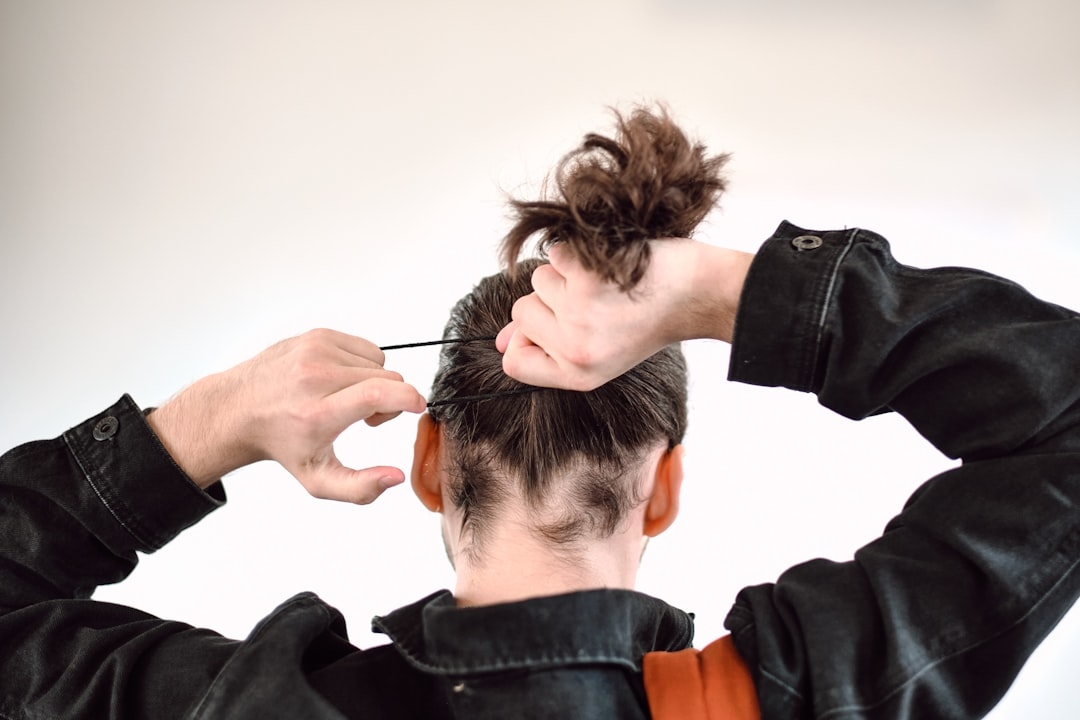
Protective styling (buns, braids, twists) reduces damage from external friction and environmental exposure. Alternate protective styles to avoid tension alopecia. Wear protective styles 3-4 days per week for visible damage reduction over 2-3 months.
Timeline: How Long Restoration Takes
Realistic expectations matter. Damaged hair repair isn’t instant.
- Weeks 1-2: Cuticle begins sealing with intensive conditioning. Shine improves, frizz decreases slightly
- Weeks 3-4: Protein treatments begin filling cortex gaps. Hair feels smoother, tangles reduce
- Weeks 5-8: Noticeable improvement in texture, elasticity, and breakage. Hair handles heat styling better
- Weeks 8-12: Significant visible improvement. Hair looks shinier, feels softer, behaves more predictably
- 3-4 months: Partial reversal of moderate damage. Severe damage remains but is manageable
Severely damaged hair won’t become pristine without cutting. But it becomes measurably better, more functional, and more attractive. As new undamaged hair grows in (roughly 6 inches per year), the damaged portion becomes a smaller percentage of your total hair, creating the illusion of repair.
Cost Analysis: Repair vs. Cutting
- Intensive conditioning treatments: £40-80 monthly
- Heat protectants and styling products: £30-50 monthly
- Silk pillowcase: £20 one-time
- Total monthly investment: £70-130
Compare to salon repair treatments (£50-150 per session, usually multiple sessions needed) or regular salon trims (£40-75 every 6 weeks, adding up to £400+ yearly). Home repair is cost-effective over time.
When Cutting Is Actually Necessary
Some damage genuinely requires trimming. Consider cutting if:
- You have true split ends throughout (not just at very tips)
- Hair breaks mid-shaft during normal handling
- Damage extends beyond the last 2 inches
- Damage is from chemical treatments (colour, relaxers) and extends through multiple inches
- You’ve attempted intensive conditioning for 8+ weeks with no improvement
If only the last 1 inch is damaged, trim only that. A 0.5-inch trim removes problem ends while preserving length. This is less dramatic than a full cut but addresses actual damage.
FAQ Section
Can damaged hair be completely repaired without cutting?
Severely damaged or split hair cannot be fully restored without trimming the damaged portion. However, 70-80% of typical damage can be dramatically improved through conditioning and protective care.
How often should I deep condition damaged hair?
Weekly for the first 4-6 weeks to address acute damage, then every 2-3 weeks for maintenance. More than weekly can overload hair with protein or moisture, creating imbalance.
Is expensive conditioner better than cheap conditioner?
Quality varies, but expensive isn’t always better. A £10 Schwarzkopf intensive mask works as well as a £30 treatment for most people. Consistency matters more than price—use whatever you’ll apply regularly.
Can coconut oil repair damaged hair?
Coconut oil prevents some damage (blocks 20% of protein loss during washing) but doesn’t repair existing damage. It’s a protective tool, not a restorative one.
How do I know if my hair is damaged or just dry?
Dry hair is dehydrated but structurally intact. Damaged hair has compromised cuticle or cortex. If conditioning and moisturising fix the issue, it’s dryness. If conditioning helps but doesn’t fully resolve brittleness and breakage, damage is present.
Your damaged hair can improve significantly without cutting if you commit to intensive conditioning, reduce heat exposure, eliminate damaging practices, and manage expectations. The goal isn’t perfection—it’s making damaged hair functional, attractive, and healthy-looking whilst you grow out new, undamaged hair. Combined with minimal trims (0.5 inches, only the absolute worst), you can maintain length whilst meaningfully improving hair quality.