Contents:
- Understanding Hairspray Buildup and Why It Matters
- Why Standard Washing Doesn’t Always Work
- Method 1: The Pre-Wash Oil Treatment (Most Effective for Heavy Buildup)
- Method 2: The Vinegar Rinse (Quick, Affordable, No-Fuss)
- Method 3: Clarifying Shampoo (When You Need a Stronger Solution)
- Method 4: Dry Shampoo Pre-Treatment (For Light Buildup)
- Preventing Future Buildup: Practical Habits That Save Money
- Alternate Your Application Days
- Use Lighter Formulas on Off-Days
- Brush Your Hair Before Shampooing
- Invest in a Good Shower Filter
- Seasonal Considerations
- Sustainable Solutions for Eco-Conscious Users
- Quick Reference: Which Method for Your Situation
- Frequently Asked Questions
- How often should I remove hairspray buildup?
- Will removing hairspray damage my hair?
- Can I use conditioner to remove hairspray?
- Is it true that dry shampoo makes hairspray removal worse?
- What’s the most budget-friendly way to remove hairspray?
- Moving Forward: Sustainable Style and Healthy Hair
Back in the 1950s, when aerosol hairspray first hit the market, women celebrated a technological revolution. The perfect victory rolls and pristine curls could now last all day without surrendering to humidity or movement. Fast forward to 2026, and we still rely on hairspray as our secret weapon for polished, camera-ready locks. Yet here’s the paradox: that same holding power that makes hairspray so brilliant can become frustrating when you’re ready to wash it out. If you’ve ever noticed hairspray coating your strands like a stubborn second skin, you’re not alone.
The challenge with modern hairspray formulas isn’t a flaw—it’s exactly what they’re designed to do. Strong adhesion creates lasting hold. But this same quality means traditional washing alone often leaves residue behind, creating dull, stiff, and sticky hair that feels anything but fresh. The good news? Learning how to get hairspray out of hair properly takes just a few minutes and costs very little. Whether you use budget supermarket brands or premium salon products, the techniques in this guide will restore your hair’s natural texture and shine.
Understanding Hairspray Buildup and Why It Matters
Hairspray works by coating your hair shaft with a combination of resins, polymers, and conditioning agents. These chemicals bond to your hair’s outer layer, creating a seal that prevents movement and frizz. On a freshly styled head, this is exactly what you want. After one, two, or three days of reapplication, however, those layers compound.
Over time, buildup affects your hair in several ways. It dulls shine by blocking light reflection. It stiffens strands and makes them feel waxy or sticky. It can even weigh down your roots, making it harder to achieve volume. Most concerning, accumulated hairspray can trap moisture, leading to dryness and potential damage if left unaddressed for weeks. For budget-conscious readers who want to extend the life of their hair care routine, understanding this chemistry means you can work smarter, not harder.
The problem compounds during spring and autumn months in the UK when many people increase their hairspray use. The mild temperatures mean more outdoor activities requiring flawless styling, while transitional weather creates frizz that demands stronger hold products. January through March sees similar upticks as people prepare for special events and social occasions.
Why Standard Washing Doesn’t Always Work
Your regular shampoo is formulated to remove dirt, oil, and sweat. Hairspray, by contrast, is deliberately designed to resist washing. Most commercial shampoos rely on surfactants—molecules that help water and oil mix—but hairspray resins are intentionally stubborn. They cling to your hair despite the action of rinsing because the polymers have a strong affinity for the hair cuticle.
That £4.50 bottle of supermarket shampoo may be excellent for general cleansing, but it’s not engineered specifically to dissolve hairspray film. This is why your hair can feel sticky even after shampooing twice. Your shampoo simply isn’t powerful enough to break down all the accumulated polymer chains. The solution isn’t to buy more expensive shampoo—it’s to use the right removal technique first, then cleanse normally.
Method 1: The Pre-Wash Oil Treatment (Most Effective for Heavy Buildup)
This method works because oils dissolve the resin-based compounds in hairspray far more effectively than water-based products. The principle is simple: like dissolves like. Hairspray is partially oil-soluble, so fat molecules penetrate and break down the polymer chains.
What you’ll need: Any natural oil (coconut, olive, jojoba, or argan oil), a spray bottle or applicator bottle, and 30 minutes to an hour. If you’re budget-conscious, plain olive oil from your kitchen cupboard works just as well as a £28 bottle of salon oil treatment.
Step-by-step process:
- Pour 3–4 tablespoons of your chosen oil into a spray bottle (or use an applicator bottle if you prefer more control)
- Dampen your hair slightly with water—not soaking wet, just misted
- Spray the oil generously throughout your hair, focusing on mid-lengths and ends where buildup accumulates most
- Use your fingers to massage the oil into your scalp, working it through every section
- Leave the oil in for at least 30 minutes (or up to 2 hours for severe buildup)
- Shampoo thoroughly with warm water, shampooing twice if necessary
- Rinse completely and apply conditioner as normal
This method is exceptionally effective because oils penetrate the resin matrix from the inside out. Many people report that one oil treatment removes what three standard washes couldn’t. Plus, the conditioning benefit means your hair emerges softer and shinier than before the buildup occurred.
From an environmental perspective, this approach is also more sustainable than buying specialist clarifying products in plastic bottles. Olive oil, for instance, requires just one extraction step from olives, whereas some salon clarifying shampoos involve extensive chemical synthesis. If you compost food scraps or recycle regularly, reusing empty bottles for your oil treatment aligns perfectly with that mindset.
Method 2: The Vinegar Rinse (Quick, Affordable, No-Fuss)
Apple cider vinegar is a traditional hair rinse that’s been used for over a century. It works by lowering the pH of your hair, which helps close the cuticle and allows residue to release more easily. This method is particularly popular in the UK because a bottle of apple cider vinegar costs between £1.50 and £3.00 at any supermarket.
What you’ll need: Raw, unfiltered apple cider vinegar (ideally with “the mother” still present), a jug, and water.
The process:
- Mix 1 part apple cider vinegar with 2 parts water in a jug (for instance, 150ml vinegar plus 300ml water)
- Wet your hair thoroughly in the shower
- Pour the mixture slowly over your head, allowing it to run through from roots to tips
- Massage your scalp gently for 1–2 minutes
- Rinse thoroughly with cool water
- Shampoo and condition as normal
The mild acidic environment created by the vinegar helps dissolve hairspray polymers on the hair surface. Some people notice results after a single treatment; others with heavy buildup benefit from repeating this twice weekly for a month.
One consideration: the vinegar smell dissipates within hours as your hair dries, but if you’re sensitive to strong scents, this might not be your preference. Many people add a few drops of essential oil to their vinegar rinse—lavender, lemon, or tea tree all pair well and add a subtle fragrance.
Method 3: Clarifying Shampoo (When You Need a Stronger Solution)
Clarifying shampoos are specifically formulated to strip buildup from hair. They’re more aggressive than regular shampoos and work best for people who use hairspray daily and want a monthly deep-clean approach. A good clarifying shampoo costs between £6 and £15 in the UK, though budget options exist at supermarkets for around £2.
How it works: Clarifying shampoos contain higher concentrations of surfactants and sometimes chelating agents (which bind to mineral deposits and product residue). They essentially work harder at breaking apart the bonds between hairspray and your hair shaft.
Using it effectively:
- Wet your hair completely with warm water
- Apply the clarifying shampoo, working it into a generous lather
- Massage your scalp and throughout your hair for 2–3 minutes
- Rinse thoroughly with cool water
- Repeat if you have very heavy buildup
- Follow immediately with a deep conditioner, as clarifying shampoos can leave hair feeling dry
Important note: use clarifying shampoo no more than once monthly. Weekly use can strip your hair of natural oils, leading to dryness and damage. Think of it as a targeted treatment, not a replacement for your regular shampoo.
Method 4: Dry Shampoo Pre-Treatment (For Light Buildup)
This might sound counterintuitive, but spritzing dry shampoo on dry, hairspray-coated hair can actually help lift some residue before shampooing. Dry shampoo powders contain starches or clay that absorb oils and can grip hairspray particles, making them easier to rinse out.
The technique:
- Take your regular dry shampoo and spray it throughout your hair, focusing on areas with the most visible buildup
- Let it sit for 5 minutes
- Brush your hair thoroughly to release the powder and trapped hairspray
- Shampoo as normal
This works best for light to moderate buildup rather than heavy accumulation. Many people combine this with a vinegar rinse or oil treatment for extra effectiveness. The advantage is speed—the entire process takes just 15 minutes.
Preventing Future Buildup: Practical Habits That Save Money
The best approach to managing hairspray buildup is prevention. A few simple habits protect your hair and stretch your care budget further.
Alternate Your Application Days
Rather than using hairspray every single day, reserve it for days when you genuinely need it: special occasions, important meetings, or when weather is particularly humid. This single change reduces buildup by up to 60% over a month. On your hairspray-free days, you might use a light texturising spray or dry shampoo instead, which creates minimal residue.
Use Lighter Formulas on Off-Days
Hairspray formulas vary widely. Professional salon products often have stronger holds (and heavier residues), while lightweight drugstore versions may require reapplication but leave less buildup. Save the heavy-duty stuff for occasions; use lighter formulas for everyday styling.
Brush Your Hair Before Shampooing
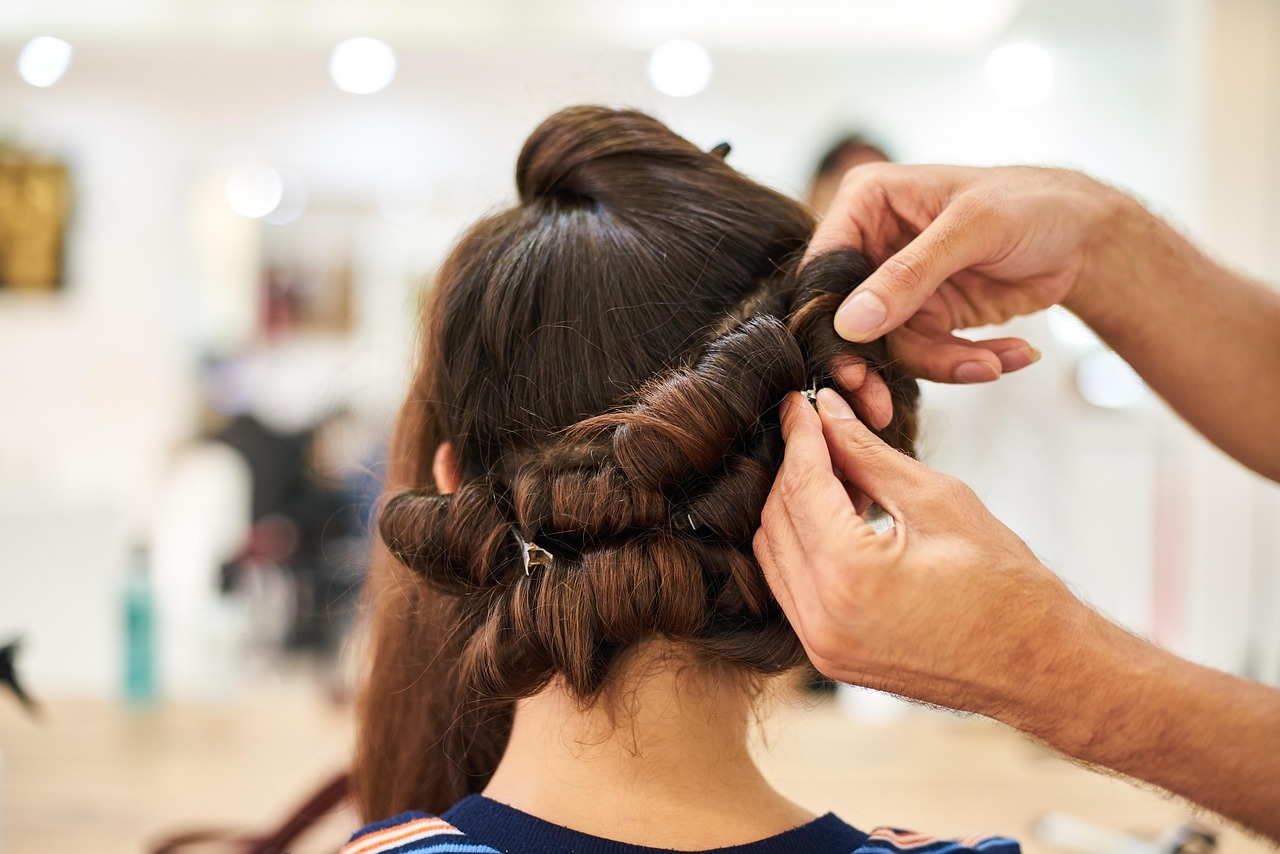
Dry brushing your hair before you step into the shower helps release some hairspray particles and loosens buildup. Spend just 2–3 minutes with a wide-tooth comb or paddle brush. You’ll notice bits of product flaking off; that’s exactly what you want. This pre-treatment reduces the load on your shampoo and makes the whole removal process more efficient.
Invest in a Good Shower Filter
A shower filter (£20–£50 depending on the model) removes chlorine and minerals from your water. Whilst not specifically designed for hairspray removal, soft water (water without mineral deposits) rinses product residue more thoroughly. Many UK homes have hard water, which can trap hairspray particles on the hair shaft. A filter improves the effectiveness of all your removal methods.
Seasonal Considerations
Humidity levels vary throughout the year. Summer months (June–August) often bring higher humidity, leading people to use more hairspray. Correspondingly, weekly clarifying treatments during summer can keep buildup in check. Winter months see less environmental humidity but more heating-related dryness; during these months, substitute some clarifying treatments with extra-nourishing conditioners to maintain balance.
Sustainable Solutions for Eco-Conscious Users
If environmental impact matters to you, several choices reduce plastic waste and chemical exposure.
Choose bar shampoos instead of liquid: Solid shampoo bars are concentrated, longer-lasting, and require minimal packaging. Many contain clarifying ingredients and cost roughly the same per use as liquid products.
Buy hairspray refills: Some premium brands offer refillable aerosol cans, reducing your total plastic consumption by up to 80% compared to buying new bottles each time.
Make your own clarifying rinse: Combine apple cider vinegar, water, and a few drops of castile soap. Store in a reusable glass bottle and use as needed. This eliminates commercial packaging entirely and costs under £2 to make a large batch.
Use natural oils already in your kitchen: Rather than buying expensive salon oil treatments, raid your cupboards for coconut, olive, or almond oil. These work identically and come in recyclable glass bottles you can reuse indefinitely.
Quick Reference: Which Method for Your Situation
Light buildup (you washed your hair 1–2 days ago): Vinegar rinse or dry shampoo pre-treatment. 15 minutes total.
Moderate buildup (hairspray daily for 3–5 days): Oil treatment or clarifying shampoo. 30–45 minutes total.
Heavy buildup (hairspray daily for a week or more): Oil treatment followed by clarifying shampoo the next day. Two sessions spread across 24 hours.
Budget priority: Vinegar rinse (£0.30 per treatment) or kitchen oil treatment (£0.10 per treatment).
Time priority: Dry shampoo pre-treatment (15 minutes) or quick vinegar rinse (20 minutes).
Frequently Asked Questions
How often should I remove hairspray buildup?
If you use hairspray daily, perform a deep removal treatment (oil, vinegar, or clarifying shampoo) weekly. If you use hairspray a few times per week, monthly treatments suffice. Most people find a weekly vinegar rinse plus monthly oil treatment maintains ideal hair health without excessive effort.
Will removing hairspray damage my hair?
No. In fact, leaving hairspray buildup on your hair for extended periods causes more damage than properly removing it. Oil treatments and vinegar rinses both nourish your hair while removing residue. Clarifying shampoos are more drying, so always follow with conditioner, but they’re gentle when used once monthly.
Can I use conditioner to remove hairspray?
Regular conditioner won’t dissolve hairspray polymers, but a deep conditioning treatment left on for 15–20 minutes can help soften buildup and make it easier to rinse away during shampooing. Combine deep conditioning with one of the primary methods listed above for best results.
Is it true that dry shampoo makes hairspray removal worse?
Not if used strategically. Dry shampoo can lift light buildup, but if you use it repeatedly without removal methods, the layers compound. Think of dry shampoo as a temporary solution that delays (not replaces) proper cleaning. Once per week, incorporate a real removal method.
What’s the most budget-friendly way to remove hairspray?
Apple cider vinegar rinses cost approximately £0.30 per treatment and work effectively for light to moderate buildup. Kitchen olive oil treatments cost around £0.10 and work for heavier buildup. Both are significantly cheaper than speciality salon products and just as effective when used properly.
Moving Forward: Sustainable Style and Healthy Hair
Learning how to get hairspray out of hair is about more than just achieving cleaner locks today. It’s about building habits that keep your hair resilient, shiny, and strong for years to come. The methods outlined here—oil treatments, vinegar rinses, and strategic clarifying shampoos—address the root cause of buildup rather than masking symptoms.
Whether you’re managing hairspray daily or just for special occasions, these techniques cost between 10 pence and 5 pounds per treatment. Compare that to specialist salon products at £15–£30, and the financial advantage becomes obvious. More importantly, these approaches align naturally with sustainable living. They use ingredients you likely already own, minimise packaging waste, and avoid harsh chemicals that impact water systems.
Start with one method that matches your situation. Oil treatments work wonderfully for heavy buildup; vinegar rinses excel for quick, daily maintenance. Use the quick-reference guide above to choose your first approach, then track how your hair responds over two to three weeks. Most people notice improved shine, softness, and styling ease within this timeframe. Once you’ve found your rhythm, maintaining beautiful, buildup-free hair becomes automatic—not a chore.
Your hair deserves care that respects both its health and your budget. With these proven methods in your routine, that goal becomes entirely achievable.