Contents:
- Understanding Hair Structure and Health
- Nourishing Your Hair from Within: Nutrition Matters
- Essential Nutrients for Hair Health
- Budget Estimate: Monthly Hair Health Nutrition
- Establishing a Proper Hair Care Routine
- Shampooing: Frequency and Technique
- Conditioning: The Essential Step
- Drying Techniques
- What the Pros Know: Scalp Health is Hair Health
- Minimising Heat and Chemical Damage
- Choosing the Right Products for Your Hair Type
- Reading Product Labels
- Product Budget for Healthy Hair
- Protective Styling and Minimising Stress
- Common Hair Problems and How to Address Them
- Dry, Brittle Hair
- Oily Hair and Scalp
- Dandruff and Itchy Scalp
- Hair Loss and Thinning
- Creating Your Personalised Hair Care Plan
- Hair Type Assessment
- Building Your Weekly Routine
- Nutrition Checklist
- Expected Timeline for Results
- Frequently Asked Questions
- How often should I trim my hair to keep it healthy?
- Can I fix damaged hair, or do I need to cut it off?
- Is coconut oil good for all hair types?
- Does drinking more water actually improve hair health?
- What’s the difference between conditioner and deep conditioning treatments?
- Your Journey to Healthy Hair Starts Now
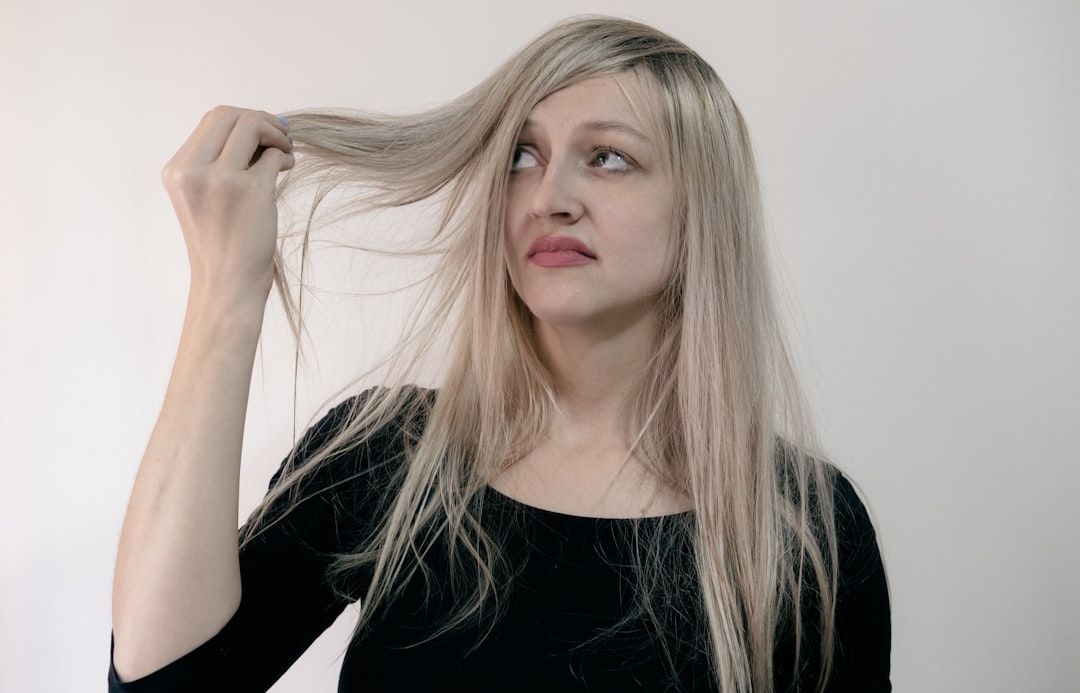
You step out of the shower and glance at the mirror—your hair feels rough, looks dull, and seems to break at the slightest touch. You’re not alone. Millions of people struggle with damaged, unhealthy hair every single day. The good news? Healthy hair isn’t a mystery reserved for those with perfect genetics. It’s entirely achievable through understanding the fundamentals and committing to the right practices.
This guide will walk you through everything you need to know about achieving and maintaining healthy hair, no matter your hair type or current condition.
Understanding Hair Structure and Health
Before diving into how to have healthy hair, it helps to understand what makes hair healthy in the first place. Hair grows from the scalp in three distinct layers: the cuticle (outer protective layer), the cortex (middle layer containing proteins and pigment), and the medulla (inner core). When all three layers are intact and aligned, your hair looks shiny, feels soft, and shows natural resilience.
Healthy hair has several defining characteristics. It should feel smooth to the touch, reflect light evenly without appearing dull, hold its shape without excessive frizz, and maintain elasticity—meaning it stretches slightly when pulled but returns to its original length. Most importantly, healthy hair experiences minimal breakage and shedding. It’s normal to lose between 50 and 100 hairs daily; anything beyond this suggests underlying issues.
The scalp plays an equally crucial role. A healthy scalp maintains a balanced pH level (around 4.5 to 5.5) and produces sebum—the natural oil that protects and moisturises hair. Too much sebum leaves hair greasy; too little results in dryness and brittleness.
Nourishing Your Hair from Within: Nutrition Matters
How to have healthy hair starts with what you eat. Your hair fibre is composed primarily of keratin, a protein that requires specific nutrients to develop and thrive. Without proper nutrition, even the best external treatments fall short.
Essential Nutrients for Hair Health
Protein forms the backbone of hair structure. Aim for 50 to 60 grams daily from sources like chicken breast, eggs, lentils, and Greek yoghurt. A single egg contains roughly 6 grams of protein plus choline, which supports scalp health.
Iron transports oxygen to hair follicles. Iron deficiency is a leading cause of hair loss, particularly in women. Include red meat, spinach, or fortified cereals in your diet. Women aged 19 to 50 should consume 18 mg daily; men require 8 mg.
Biotin (Vitamin B7) strengthens keratin production. Research shows that people taking 2.5 mg of biotin daily for six months experienced improved hair thickness. Sources include almonds, sweet potatoes, and salmon.
Vitamin C enhances iron absorption and supports collagen production. Citrus fruits, berries, and red peppers provide 75 to 90 mg per serving—the recommended daily amount.
Zinc regulates sebum production and hair growth cycles. Oysters contain 5 mg per serving; beef and pumpkin seeds offer similar amounts.
Omega-3 fatty acids reduce scalp inflammation and promote blood flow. Two to three servings of fatty fish weekly (sardines, mackerel, or salmon) provide adequate amounts.
Budget Estimate: Monthly Hair Health Nutrition
- Eggs (30 pack): £3.50
- Lentils (500g bag): £1.20
- Spinach (fresh, 200g): £1.80
- Almonds (200g): £2.40
- Canned salmon (3 tins): £4.50
- Sweet potatoes (1kg): £2.00
- Berries (frozen, 500g): £2.50
Total monthly estimate: approximately £18 to £22 for nutrient-rich foods that support hair health.
Establishing a Proper Hair Care Routine
Knowing how to have healthy hair requires consistent daily and weekly practices. Your routine should be tailored to your specific hair type—fine and thin, medium, thick and coarse, curly, or textured.
Shampooing: Frequency and Technique
The common advice to wash daily actually damages most hair types. Daily shampooing strips away natural oils, forcing the scalp to overproduce sebum in compensation. Instead, wash your hair two to three times weekly for fine hair, once or twice weekly for medium or thick hair, and once weekly (or every 10 days) for textured or curly hair.
When you do shampoo, use lukewarm water—not hot. Hot water opens the hair cuticle and promotes moisture loss. Apply shampoo primarily to the scalp, where oil accumulates, rather than down the hair length. Massage for 60 to 90 seconds using your fingertips (not nails) in circular motions. Rinse thoroughly until water runs completely clear.
Conditioning: The Essential Step
Conditioning is non-negotiable for healthy hair. It closes the cuticle after shampooing and replenishes moisture. Always condition the bottom two-thirds of your hair, avoiding the scalp (unless you have extremely coarse or curly hair). Leave conditioner on for two to three minutes—or longer if your hair is dry or damaged.
For intensely dry or textured hair, use a deep conditioning treatment once weekly. Apply it to damp hair, cover with a shower cap, and leave it for 15 to 20 minutes (or follow the product instructions). This concentrated treatment penetrates deeper than standard conditioner.
Drying Techniques
Air drying is ideal, but if you use heat tools, protect your hair first. Apply a heat protectant spray before blow-drying or straightening—these create a barrier that reduces moisture loss and damage. Use a medium heat setting rather than maximum. Rough towel-drying causes breakage; instead, gently squeeze excess water with a microfibre towel or cotton t-shirt.
What the Pros Know: Scalp Health is Hair Health
Professional stylists understand that a healthy scalp is the foundation of healthy hair. If your scalp is irritated, inflamed, or imbalanced, no amount of external conditioning will fully resolve hair problems. Monthly scalp treatments—whether professional exfoliating scrubs (£15 to £30 at salons) or at-home masks with salicylic acid or tea tree oil—remove dead skin cells, product buildup, and excess oil, creating an optimal environment for hair growth. Even neglecting this step often makes the biggest difference people report after professional treatments.
Minimising Heat and Chemical Damage
Heat styling tools—blow dryers, straighteners, and curling irons—expose hair to temperatures between 150 and 240 degrees Celsius. Repeated exposure breaks down the protein bonds in the cortex, resulting in weakness, breakage, and a dull appearance.
Limit heat styling to once or twice weekly. When you do use heat, always apply a heat protectant product first. These contain silicones or polymers that form a protective coating. Look for products that also contain antioxidants like vitamin E.
Chemical treatments—colour, relaxers, perms, and keratin straightening—permanently alter hair structure. They’re not inherently bad, but they require extra care. If you colour your hair, space out treatments to every six to eight weeks and use colour-safe shampoos and conditioners specifically formulated to protect treated hair. These products use gentler surfactants that clean without stripping colour or moisture.
If you’re considering a chemical treatment, consult a qualified stylist who can assess your hair’s current condition and recommend appropriate intervals between applications. A full colour treatment costs £40 to £80 at most UK salons; balayage or partial highlights run £70 to £150.
Choosing the Right Products for Your Hair Type
Not all hair products work for everyone. The market offers thousands of options, and choosing wisely matters for long-term results.
Reading Product Labels
Focus on the first five ingredients listed; these make up the bulk of the product. Avoid products containing sulphates (sodium lauryl sulphate and sodium laureth sulphate)—these are harsh cleansing agents that can strip hair and scalp. Look instead for gentler surfactants like cocamidopropyl betaine or decyl glucoside.
For conditioning products, silicones can provide temporary shine and smoothness but accumulate over time, leaving hair weighted down and dull. If you use silicone-based products, do a clarifying wash once monthly with a gentle chelating shampoo to remove buildup.
Product Budget for Healthy Hair
- Gentle shampoo (500ml): £6 to £12
- Conditioner (500ml): £6 to £12
- Deep conditioning treatment (200ml): £8 to £18
- Heat protectant spray (200ml): £5 to £10
- Leave-in conditioner or oil serum (100ml): £7 to £15
Average monthly product cost: £15 to £35 depending on brand and whether you buy premium or mid-range options.
Protective Styling and Minimising Stress
How you style your hair daily has profound effects on its health. Tight ponytails, braids, and buns create tension on the hair shaft and follicles, leading to a condition called traction alopecia—permanent hair loss around the hairline and temple. Wear your hair down or in loose, low-tension styles most of the time.
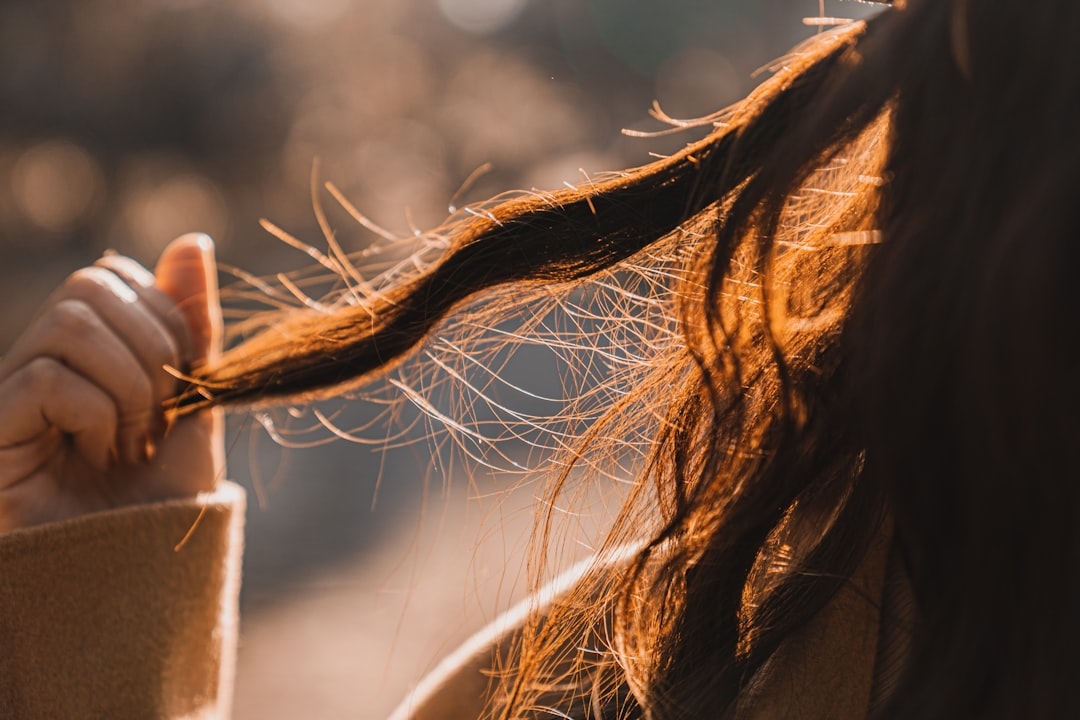
When you do style your hair, use soft elastics or silk hair ties that don’t create creases or breakage. Avoid elastic bands with metal clasps that snag and tear hair.
Silk or satin pillowcases reduce friction as you sleep compared to cotton. This simple swap can noticeably reduce breakage and frizz. A silk pillowcase costs £15 to £30 but lasts years.
Chronic stress elevates cortisol, a hormone that can trigger hair loss and weaken the growth cycle. Regular exercise, meditation, adequate sleep (seven to nine hours nightly), and stress management support not just overall health but hair health too.
Common Hair Problems and How to Address Them
Dry, Brittle Hair
Dry hair results from insufficient moisture and often occurs after colour treatments, heat styling, or in naturally textured hair. Treatment involves: deep conditioning once to twice weekly, minimising heat styling, using leave-in conditioners, and increasing water intake (six to eight glasses daily). If dryness persists despite these changes, consult a trichologist—a hair specialist—to rule out underlying health issues like thyroid dysfunction.
Oily Hair and Scalp
Overactive sebaceous glands produce excess oil. Counterintuitively, more frequent shampooing worsens this. Instead, wash less often (every other day initially), use a mild shampoo, and rinse with cool water, which helps close the scalp’s pores. Dry shampoo between washes absorbs oil without requiring full cleansing. Avoid heavy conditioners on the scalp.
Dandruff and Itchy Scalp
Dandruff stems from a yeast called Malassezia or general scalp dryness. Use a dandruff shampoo containing zinc pyrithione or ketoconazole twice weekly for two weeks, then reduce to once weekly for maintenance. If symptoms don’t improve within three weeks, see a dermatologist.
Hair Loss and Thinning
Some hair loss is normal, but excessive shedding warrants investigation. Check your nutrition (especially iron and protein), ensure you’re not experiencing extreme stress, and rule out hormonal imbalances or thyroid issues with a blood test. Consider biotin supplementation (2.5 mg daily) or minoxidil (over-the-counter, around £25 per month), which can slow hair loss. For significant concerns, a trichologist provides specialist guidance.
Creating Your Personalised Hair Care Plan
Healthy hair doesn’t result from a one-size-fits-all approach. Your plan should account for your hair type, lifestyle, and specific concerns.
Hair Type Assessment
Determine your hair type by observing how it behaves. Fine hair feels delicate and has a thin diameter; it typically looks limp when heavy products are applied. Medium hair has moderate volume and texture. Thick or coarse hair feels sturdy and resists styling. Curly, wavy, and coily hair follows a specific pattern and requires moisture-rich products to prevent frizz and breakage.
Building Your Weekly Routine
Twice weekly: Shampoo and condition using appropriate products for your hair type.
Once weekly: Deep condition for 15 to 20 minutes; do a gentle scalp massage to stimulate blood flow.
As needed: Minimise heat styling; when you do use heat, apply protectant first. Avoid tight hairstyles that stress the hair shaft.
Monthly: Clarify your hair with a chelating shampoo if you use heavy products. Consider a scalp treatment to remove buildup and refresh scalp health.
Every six to eight weeks: If colouring or chemically treating your hair, schedule treatments at appropriate intervals.
Nutrition Checklist
Weekly, ensure you’re consuming protein at three or more meals, eating iron-rich foods at least three times, and including omega-3 sources twice. Track water intake—aim for two litres daily. These fundamentals create the biological foundation for healthy hair growth.
Expected Timeline for Results
Hair grows approximately 15 centimetres per year, or 1.25 centimetres monthly. Improvements in scalp health and overall hydration become visible within two to four weeks. However, to see meaningful changes in hair strength and reduced breakage, commit to your routine for at least eight to twelve weeks. Damaged hair doesn’t repair itself—it grows out and is replaced by new, healthier growth from the scalp. Patience is essential.
Frequently Asked Questions
How often should I trim my hair to keep it healthy?
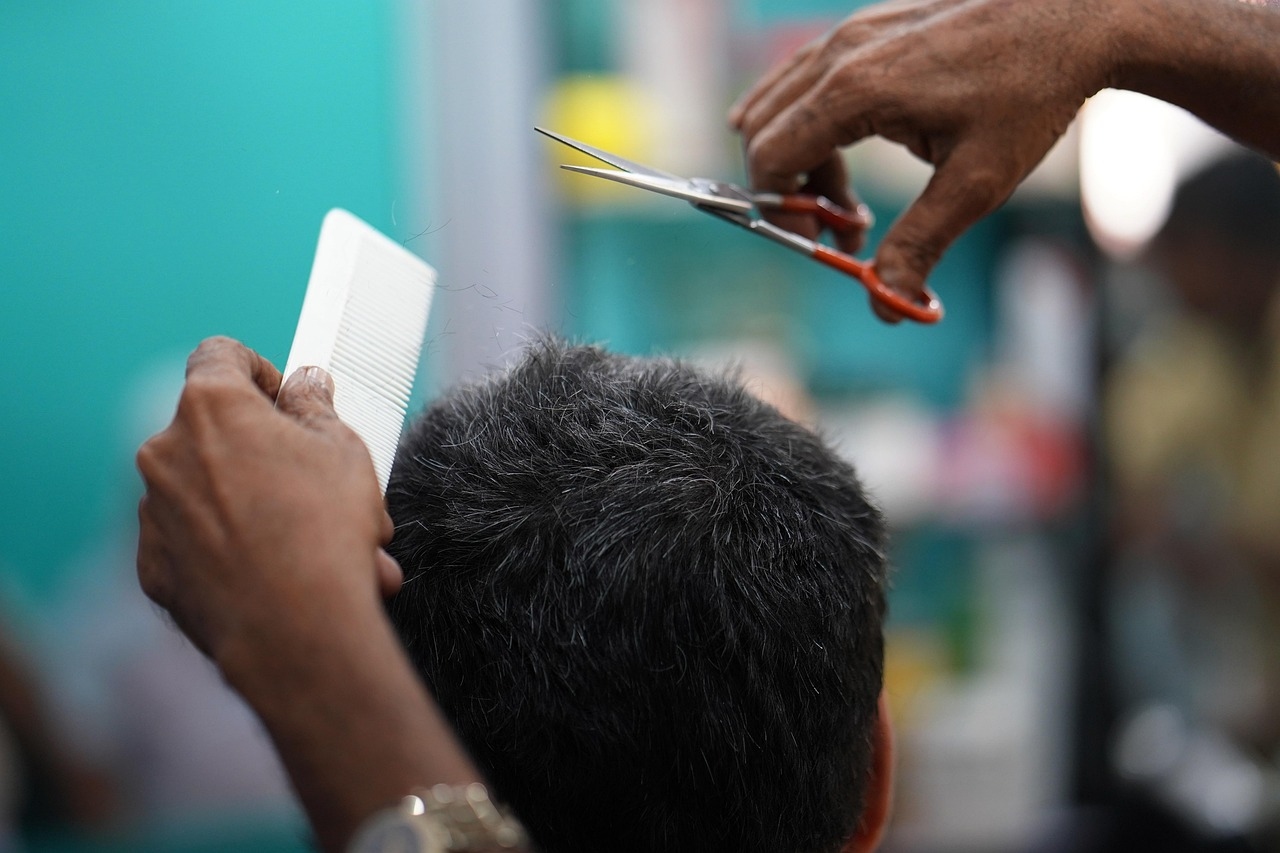
Trim every eight to twelve weeks to remove split ends before they travel up the hair shaft and cause more extensive damage. Split ends can’t be repaired; trimming is the only solution. Regular trims also make hair appear thicker and healthier overall.
Can I fix damaged hair, or do I need to cut it off?
Once hair is damaged—whether from heat, chemicals, or breakage—it cannot be truly repaired. Deep conditioning and treatments can temporarily improve appearance and feel, but the structural damage remains. Your best option is trimming the damaged portions and focusing on preventing future damage to new growth.
Is coconut oil good for all hair types?
Coconut oil works wonderfully for coarse, curly, and textured hair because its molecular structure allows it to penetrate the hair shaft and provide deep moisture. For fine or thin hair, coconut oil can be too heavy and leave hair limp or greasy. Instead, use lighter oils like argan or jojoba oil on fine hair.
Does drinking more water actually improve hair health?
Yes, but indirectly. Proper hydration supports overall bodily functions, including nutrient transport and scalp health. Aim for six to eight glasses daily. While this won’t single-handedly transform your hair, it works synergistically with proper nutrition and external care.
What’s the difference between conditioner and deep conditioning treatments?
Standard conditioner is meant to be used briefly (two to three minutes) after each shampoo. It seals the cuticle and provides surface-level hydration. Deep conditioning treatments have higher concentrations of moisturising ingredients and are left on longer (15 to 20 minutes), allowing them to penetrate deeper into the hair shaft and provide intensive repair.
Your Journey to Healthy Hair Starts Now
Achieving healthy hair requires understanding your hair’s specific needs and committing to consistent care—both internally through nutrition and externally through proper routines and products. There’s no magic shortcut, but the good news is that results are entirely within your control.
Start by assessing your current routine. Identify one or two changes you can implement immediately: perhaps switching to a gentler shampoo, adding a deep conditioning treatment, or increasing your protein intake. Once these changes feel natural, add another. Within a few months of this gradual, sustainable approach, you’ll notice stronger, shinier, more resilient hair.
Remember, your hair is always growing and changing. The techniques you learn now will serve you for years. Take action today, and let your healthiest hair grow.