Contents:
- A Brief History of Hair Extensions
- Understanding Hair Extensions vs. Hair Wigs
- Quick Answer Box
- The Best Hair Extensions: A Detailed Comparison
- Clip-In Hair Extensions
- Tape-In Hair Extensions
- Sew-In (Weave) Extensions
- Braided/Knotless Extensions
- Heatless/Twist-In Extensions
- Comparing Extension Methods: A Quick Reference Table
- Hair Quality Matters: Remy vs. Non-Remy
- How to Choose the Best Hair Extensions for You
- Consider Your Lifestyle
- Assess Your Natural Hair Type
- Determine Your Budget for Ongoing Costs
- Think About Commitment Level
- Key Features of Quality Hair Extensions
- Maintenance Tips for Long-Lasting Extensions
- Frequently Asked Questions About the Best Hair Extensions
- Making Your Choice: Final Considerations
Quick Answer: The best hair extensions depend on your budget, hair type, and commitment level. Clip-in extensions offer temporary versatility at £50–£300, while tape-in and sew-in options provide long-term results for £200–£2000+. Heatless alternatives like braided extensions suit protective styling without damaging natural hair.
A Brief History of Hair Extensions
Hair extensions have been part of human beautification for centuries. Ancient Egyptians used gold and copper threads woven into braids, whilst African cultures refined the art of adding texture and length through intricate weaving techniques. The modern synthetic hair extension industry emerged in the 1980s, but natural hair extensions only became mainstream in the 2000s. Today’s extensions bear little resemblance to their predecessors—they’re more durable, realistic, and accessible to DIY enthusiasts than ever before.
Understanding Hair Extensions vs. Hair Wigs
Many people confuse hair extensions with full wigs, but they serve different purposes. A wig covers your entire scalp and requires no attachment to natural hair. Extensions, by contrast, blend with and add to your existing hair. Wigs offer complete style transformation and are ideal for those with significant hair loss or who want dramatic temporary changes. Extensions enhance volume, length, or texture while keeping your natural hair visible at the roots. For DIY enthusiasts looking for subtle enhancement rather than total coverage, extensions are typically the better choice.
Quick Answer Box
Best Overall: Tape-in extensions (£300–£700 per application, last 6–8 weeks)
Best Budget Option: Clip-in extensions (£50–£300, instant application, reusable)
Best Longevity: Sew-in extensions (£400–£2000+, last 6–12 weeks)
Best for Natural Hair Protection: Braided extensions (£150–£600, last 4–6 weeks)
Best Heatless Method: Twist-in extensions (£80–£200, last 2–4 weeks)
The Best Hair Extensions: A Detailed Comparison
1. Clip-In Hair Extensions
Clip-in extensions represent the most accessible entry point for DIY enthusiasts. These wefted sections of hair attach via small metal clips directly onto your natural hair. Application takes 5–10 minutes with zero professional installation required. Quality clip-in sets range from £50 to £300, depending on hair grade and coverage area.
The primary advantage is flexibility. You can add them for special occasions and remove them instantly at home. They’re perfect for testing different lengths or styles before committing to semi-permanent methods. Remy human hair clip-ins (where cuticles align in one direction) provide the most natural appearance and blend seamlessly with most hair types. Synthetic options cost less but show obvious artificial shine in daylight.
Expect clip-ins to last 6–12 months with proper care. Store them on a wig head after each use and wash gently with sulphate-free shampoo. Avoid excessive heat, which damages the hair fibre. The main limitation: they work best on thicker natural hair for secure anchoring. Fine or thin hair may struggle to hold them comfortably throughout the day.
2. Tape-In Hair Extensions
Tape-in extensions consist of thin wefts bonded to your natural hair using medical-grade adhesive tape. A stylist applies them by sandwiching sections of your hair between two pre-taped wefts. The process takes 1–2 hours and costs £300–£700 per full head application in UK salons. Results look exceptionally natural because tape-ins sit flat against the scalp without bulk or visible wefts.
These extensions last 6–8 weeks before tape adhesive degrades or your natural hair grows out. Many people get them reapplied every 4–6 weeks for seamless upkeep. Hair grows approximately 15cm per year (1.25cm per month), so repositioning keeps extensions perfectly placed. The adhesive is waterproof, allowing normal swimming and showering without concern.
Tape-ins suit almost any hair texture and thickness, making them popular among professionals and DIY users alike. They handle heat styling, colour treatments, and regular washing without damage if you use sulphate-free products. Cost-wise, they’re mid-range: more expensive than clip-ins but less costly than sew-in extensions. The main drawback: you’ll need professional removal to prevent natural hair damage.
3. Sew-In (Weave) Extensions
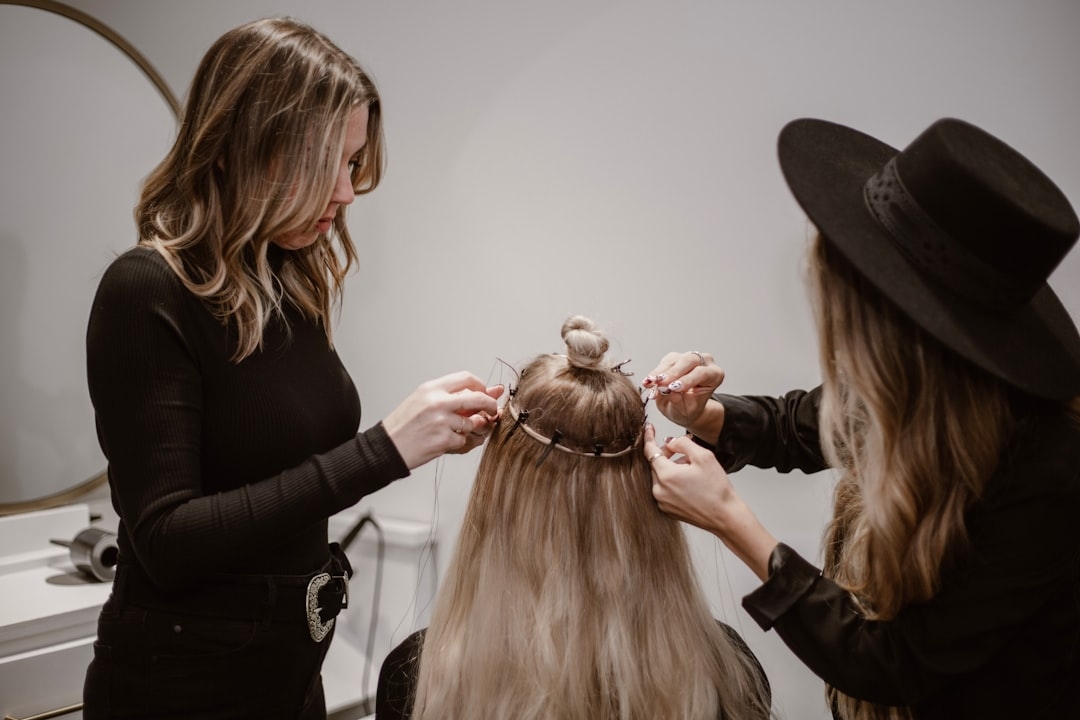
Sew-in extensions involve braiding your natural hair into cornrows, then hand-sewing wefted hair onto these braids using needle and thread. Installation typically takes 3–5 hours with a professional stylist, costing £400–£2000+ depending on hair quality and installation complexity. This method creates the most secure attachment available, lasting 6–12 weeks or longer.
Sew-ins excel for creating volume and supporting heavy styles like box braids or fulani braids. They’re exceptionally protective for natural hair because the braids shield your hair from daily manipulation and environmental stress. Black British salons frequently recommend sew-ins for textured hair types, where they integrate seamlessly.
The trade-off is commitment. Your scalp requires regular maintenance—cleaning between braids takes time and care. Tension from braids can cause traction alopecia (hair loss from prolonged pulling) if braids are too tight or worn continuously. Professionals advise resting your hair for 2–4 weeks between installations. Removal also requires a professional to carefully cut and unthread extensions without damaging natural hair.
4. Braided/Knotless Extensions
Braided extensions (also called Senegalese twists, box braids, or knotless braids) weave synthetic or human hair into your natural hair in a braid pattern. Unlike traditional sew-ins, knotless methods create less tension at the root, reducing scalp strain. Prices range £150–£600 depending on length, thickness, and hair quality. Installation takes 4–8 hours.
These extensions last 4–6 weeks and require minimal maintenance once installed. They’re ideal for protective styling, allowing your natural hair to rest whilst maintaining an attractive look. Synthetic braiding hair costs £20–£50 per bundle, whilst Kanekalon (a premium synthetic) offers superior texture and longevity.
The limitations include difficulty washing (water can loosen braids) and potential scalp itching if not maintained carefully. Knotless methods reduce tension but still require proper technique to avoid breakage. If you enjoy hands-on styling and don’t mind the maintenance routine, braided extensions deliver excellent value.
5. Heatless/Twist-In Extensions
Twist-in extensions blend two strands of hair—one natural, one extension—in a twisted or coiled pattern. No glue, clips, or braids required. You can install them yourself in 2–4 hours, making them ideal for DIY enthusiasts. Costs range £80–£200, primarily for hair purchase rather than installation fees.
These extensions last 2–4 weeks depending on twisting tightness and sleeping habits. They work beautifully for textured and coily hair types, creating volume and protective length. The magic ingredient: they’re completely heatless, meaning zero thermal damage to your natural hair.
Drawbacks include the significant time investment and the temporary nature compared to other methods. Twist-ins require patience and practice to perfect the technique. If your twist tension isn’t right, the extensions slip out or weaken your natural hair. However, for DIY enthusiasts who value control and gentleness, they represent an excellent low-risk option.
Comparing Extension Methods: A Quick Reference Table
Method | Installation Time | Cost | Longevity | Best For
Clip-In | 5–10 mins | £50–£300 | 6–12 months | Temporary styles, testing
Tape-In | 1–2 hours | £300–£700 | 6–8 weeks | Everyday wear, natural look
Sew-In | 3–5 hours | £400–£2000+ | 6–12 weeks | Volume, protective styling
Braided | 4–8 hours | £150–£600 | 4–6 weeks | Protective styles, texture
Twist-In | 2–4 hours | £80–£200 | 2–4 weeks | Natural hair care, DIY control
Hair Quality Matters: Remy vs. Non-Remy
Extension quality directly impacts appearance and longevity. Remy human hair (where all cuticles point downward in the same direction) costs 30–50% more than non-Remy but lasts significantly longer and resists tangling. Non-Remy hair, collected from multiple donors without cuticle alignment, tangles more easily after 2–3 months of wear.
Virgin hair—hair that’s never been processed, coloured, or chemically treated—represents the premium tier, costing £500–£3000+ per bundle. It accepts colour applications beautifully and maintains texture through multiple washes. For most DIY users, mid-grade Remy extensions offer the best balance of affordability and performance.
How to Choose the Best Hair Extensions for You
Consider Your Lifestyle
Active people who swim, exercise, or spend time outdoors need water-resistant options. Tape-in extensions handle chlorinated pools better than clip-ins. Sew-ins require extra care in water to prevent loosening. If you enjoy hands-off styling, tape-ins or sew-ins eliminate daily application time. Clip-ins suit people who want maximum flexibility to change their look frequently.
Assess Your Natural Hair Type
Fine, thin hair struggles with heavy sew-ins or braided extensions. Clip-ins and tape-ins distribute weight more evenly. Textured and coily hair typically pairs best with sew-ins, braided extensions, or twist-ins. Straight hair blends more seamlessly with tape-ins and clip-ins. If your hair is fragile or previously damaged, heatless methods like twist-ins minimise further stress.
Determine Your Budget for Ongoing Costs
Don’t just consider initial installation. Factor in maintenance. Tape-ins require professional repositioning every 4–6 weeks (£100–£200 each time), totalling £500–£1000 annually. Clip-ins are a one-time purchase with no ongoing salon costs. Sew-ins require professional removal plus installation, making them costly over time. Braided extensions need occasional tightening in a salon (£50–£150).
Think About Commitment Level
Temporary methods (clip-ins, twist-ins) suit people testing new looks. Semi-permanent methods (tape-in, braided) work for those who want enhanced hair most days but appreciate flexibility. Permanent methods (sew-ins) suit commitment-focused individuals comfortable with multiple salon visits annually.
Key Features of Quality Hair Extensions
Invest in extensions with these characteristics: human hair (not synthetic) for everyday wear; medical-grade adhesive for tape-ins; thick, smooth wefts without loose hairs; natural shine without artificial glossiness; and flexibility (they should feel like real hair, not plastic). Check seller reviews on independent platforms, not just product pages. Aim for options with at least 4.5-star ratings from 50+ verified purchasers.
Avoid extremely cheap extensions (under £40 for a full set) as they typically contain low-grade synthetic fibres that tangle, shed excessively, and appear obviously artificial within weeks. Mid-range options (£150–£500) deliver far better value than budget extremes.
Maintenance Tips for Long-Lasting Extensions
Use only sulphate-free, extension-specific shampoos and conditioners. Sulfates strip natural oils, causing brittleness and tangling. Wash hair in the direction of hair growth (downward) to keep cuticles smooth. Condition from mid-length to ends, avoiding the attachment point for tape-ins and clip-ins. Air dry or use low heat settings to prevent thermal damage.
Sleep on a silk or satin pillowcase, which reduces friction and matting compared to cotton. Brush extensions gently with a paddle brush starting from the ends, working upward. Apply lightweight leave-in conditioner or extension-specific oil to maintain softness. Avoid chlorinated water for extended periods; if swimming, wet your hair with fresh water first to prevent chlorine absorption.
Frequently Asked Questions About the Best Hair Extensions
Q: Can I colour or bleach hair extensions after installation?
A: Only virgin or previously treated human hair extensions accept colour. Remy hair resists dye unless pre-lightened. Synthetic hair cannot be coloured at all. Always colour extensions before installation if possible, or consult a professional colourist experienced with extension hair. Bleaching risks damage and dry, brittle texture.
Q: How much natural hair do I need for extensions?
A: Tape-ins and clip-ins work with fine, thin hair. Sew-ins and braided extensions require stronger hair (ideally shoulder-length minimum) to braid securely. Twist-ins work with most hair types, though curly or coily texture provides better grip. Consult a stylist if you’re unsure whether your hair can support your chosen method.
Q: Are hair extensions permanent?
A: No—all extensions are temporary. They either clip off (clip-ins), fade off as adhesive weakens (tape-ins), wash out (braided, twist-in), or require professional removal (sew-ins). Even semi-permanent sew-ins last a maximum of 12 weeks before your natural hair grows out beneath them.
Q: Can I wear extensions if I have an active lifestyle?
A: Yes, but method matters. Tape-ins and sew-ins handle exercise and water sports better than clip-ins, which may slip during movement. Braided extensions are excellent for protective styling during physical activity. Avoid tight braids or cornrows if you exercise frequently, as sweat can loosen braids more quickly.
Q: What’s the most natural-looking option?
A: Tape-in extensions with virgin or high-grade Remy human hair create the most seamless, undetectable appearance. They sit flat against the scalp, blend with your natural hair colour and texture, and don’t create visible seams or bunches. Clip-ins placed strategically also look natural if you use quality hair and secure enough clips.
Making Your Choice: Final Considerations
The best hair extensions for your needs combine affordability, longevity, and practical fit with your lifestyle. Clip-ins suit experimentation and temporary enhancement. Tape-ins deliver professional results for everyday wear. Sew-ins provide maximum security for protective styling and volume. Braided extensions offer cultural authenticity and protective benefits. Twist-ins give DIY enthusiasts complete control without thermal stress.
Start by honestly assessing how much time and money you’ll invest. Purchase a quality sample first (try a single clip-in weft or a small tape-in panel) before committing to full installation. This approach minimises financial risk whilst teaching you proper care and handling. Many people discover their preferred method through gradual experimentation rather than jumping directly to expensive salon treatments. Your ideal extensions are the ones you’ll actually maintain, style, and enjoy wearing regularly.